HABITAT LHX is a renovation of the abandoned Lincoln Heights Jail into a civic research center focused on water filtration, the removal of chemical contamination from the river, and its impacts on Los Angeles’s chaparral environment. Inspired by the river's marine life, the project integrates the idea of molting—the process by which crustaceans shed an unfit exoskeleton and develop an adaptive shell in response to environmental conditions—while engaging their biomorphic forms as a spatial and architectural system, both outer and inner. At its core, the design introduces biomorphic forms derived from crustacean morphology into the existing architecture, reimagining the possibility of co-existent spatial systems and aesthetics between existing environments and built architecture.
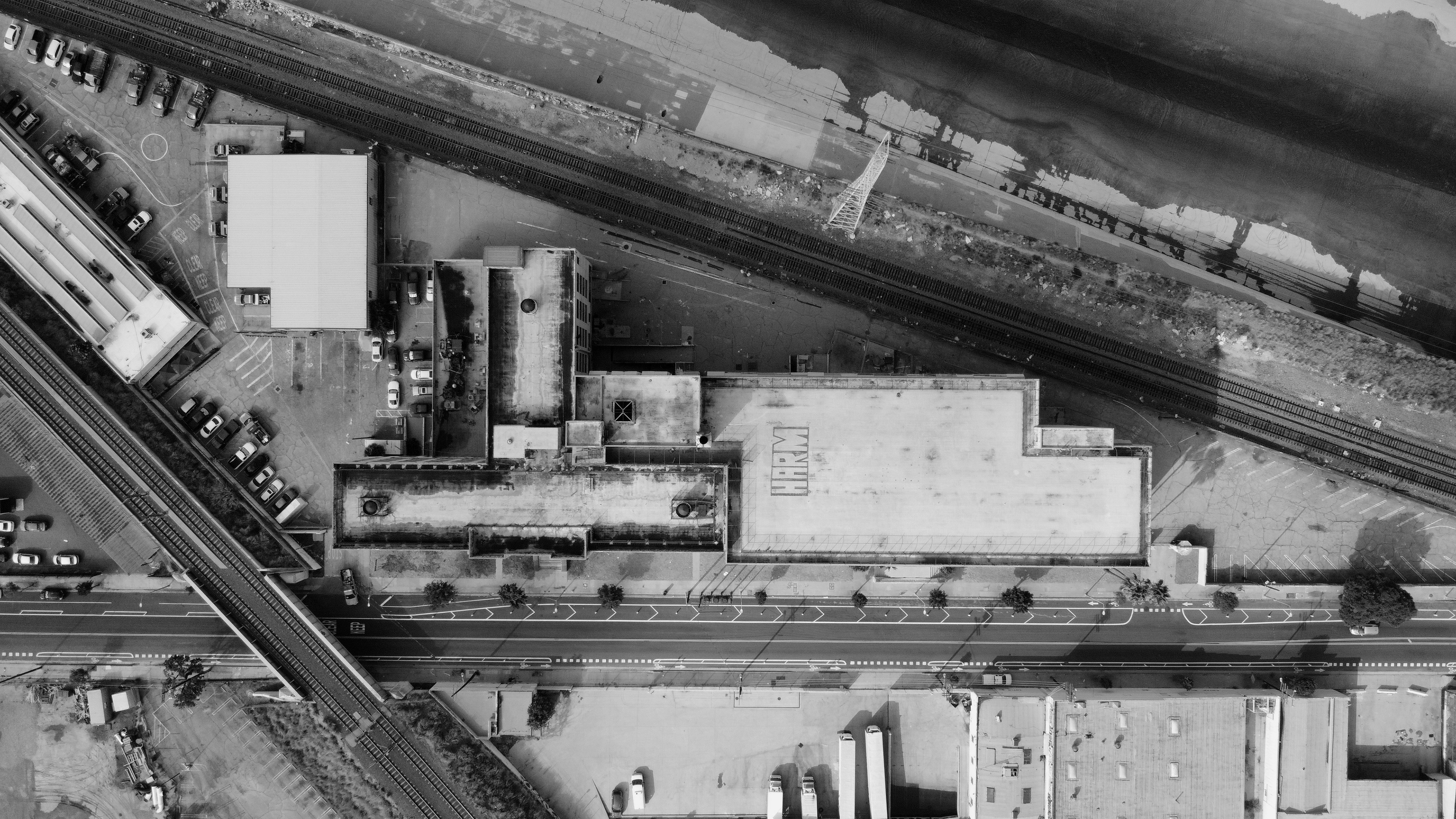
Lincoln Heights Jail: Nadir Aerial view of the site
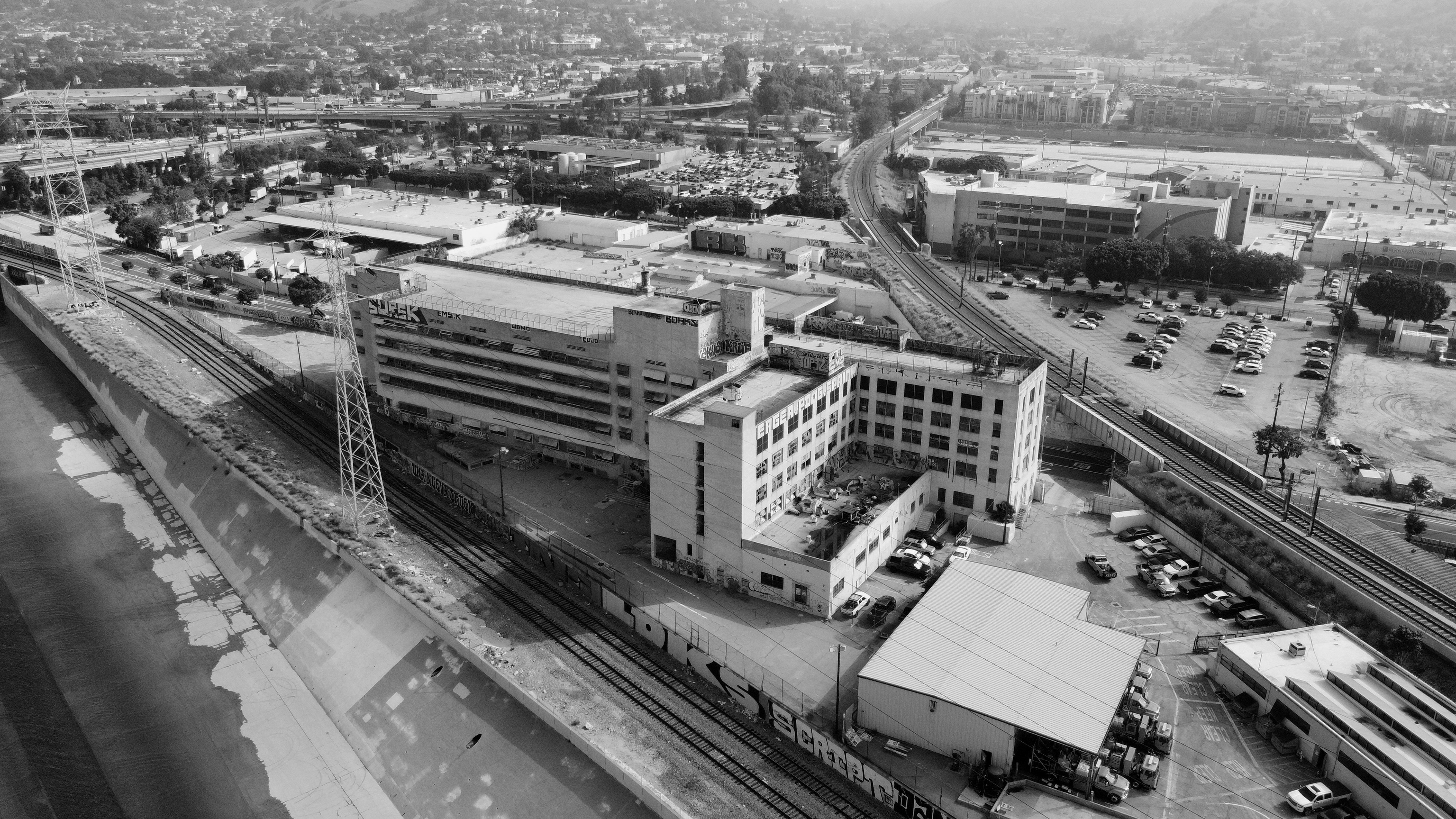
Lincoln Heights Jail: High-oblique Aerial view of the site
The former Lincoln Heights Jail sits directly along the Los Angeles River, adjacent to industrial corridors that have contributed to long-standing water contamination. Its proximity to the river positions the site as a critical urban interface where environmental remediation, research, and public engagement can address polluted waterways
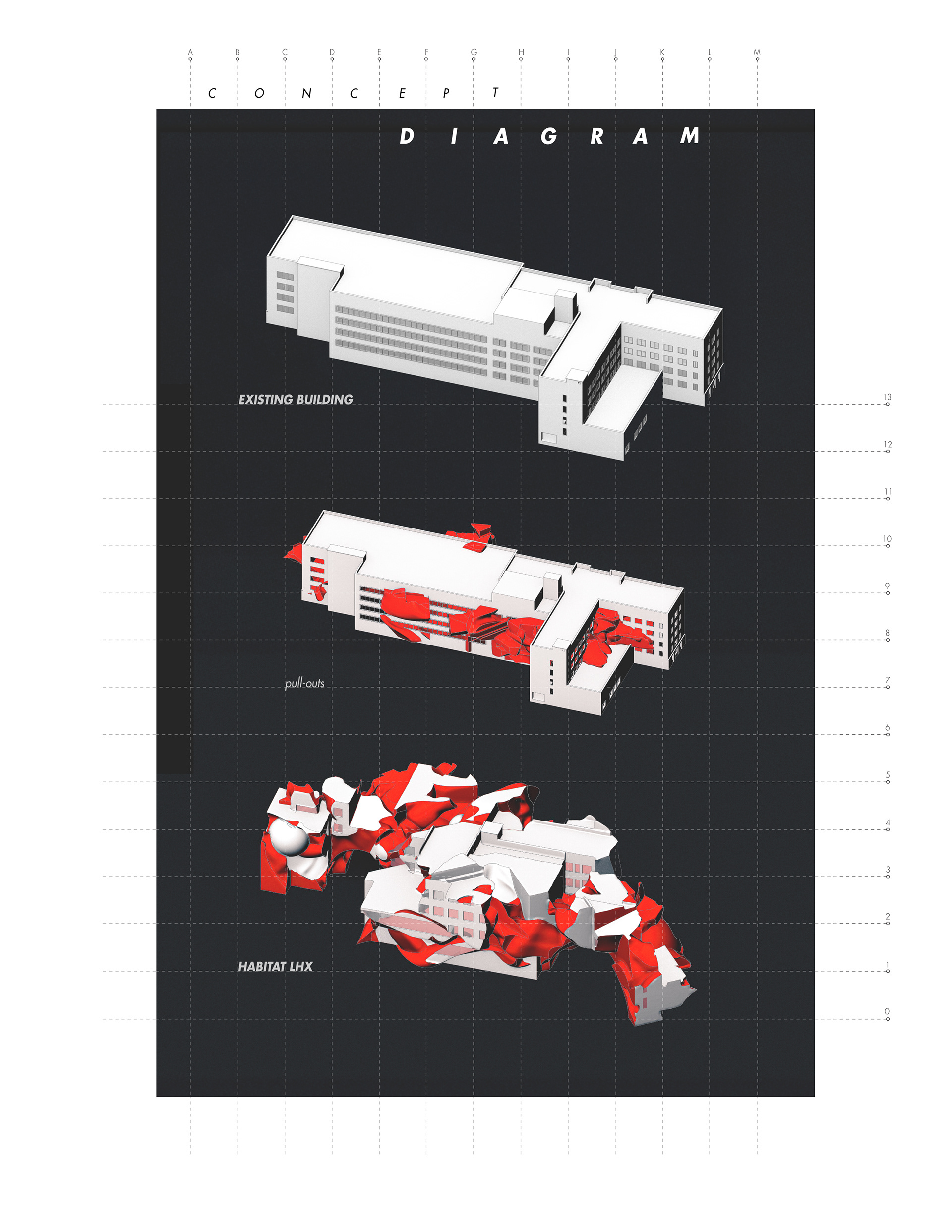
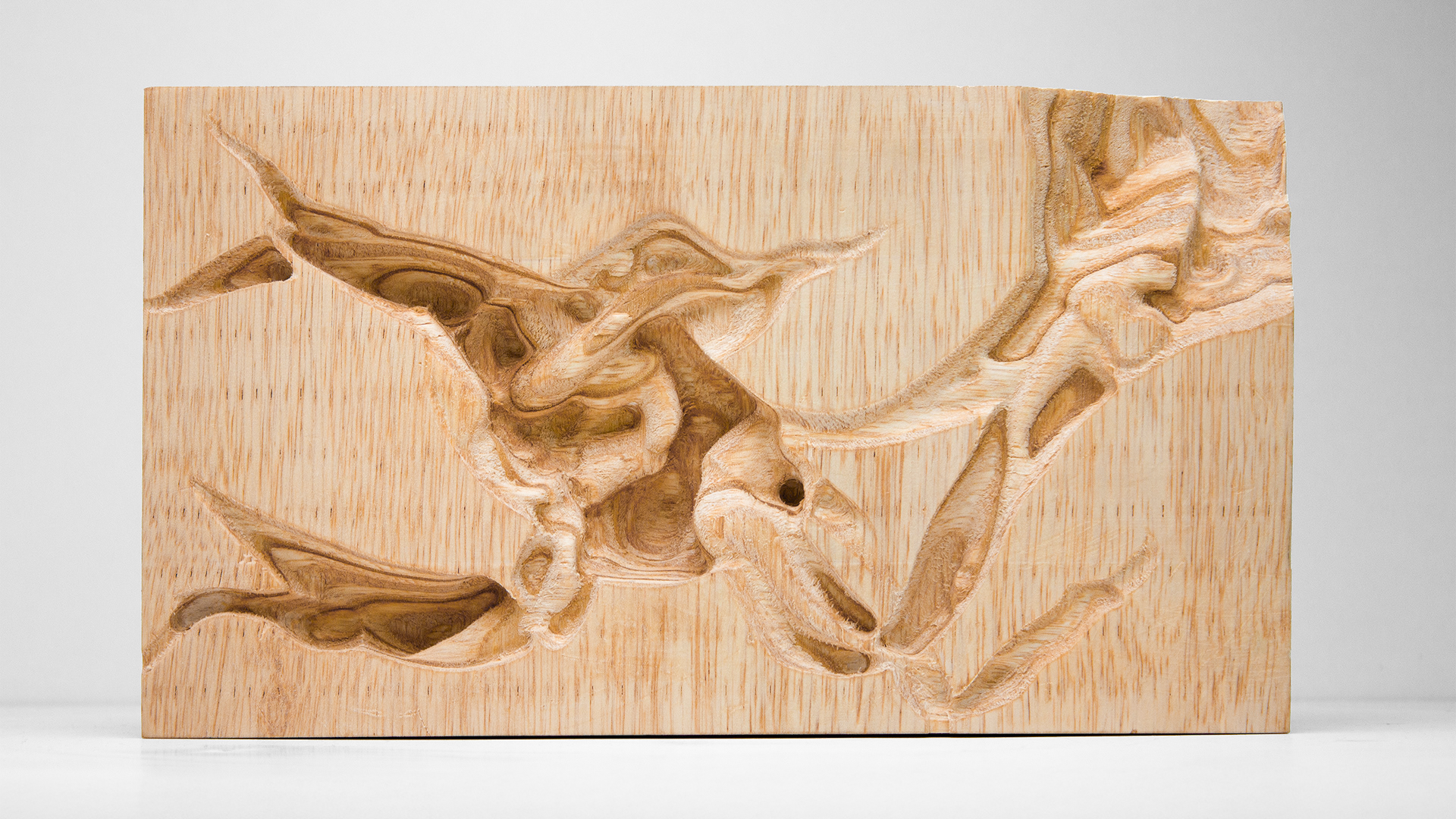
Negative Imprints: Circulation
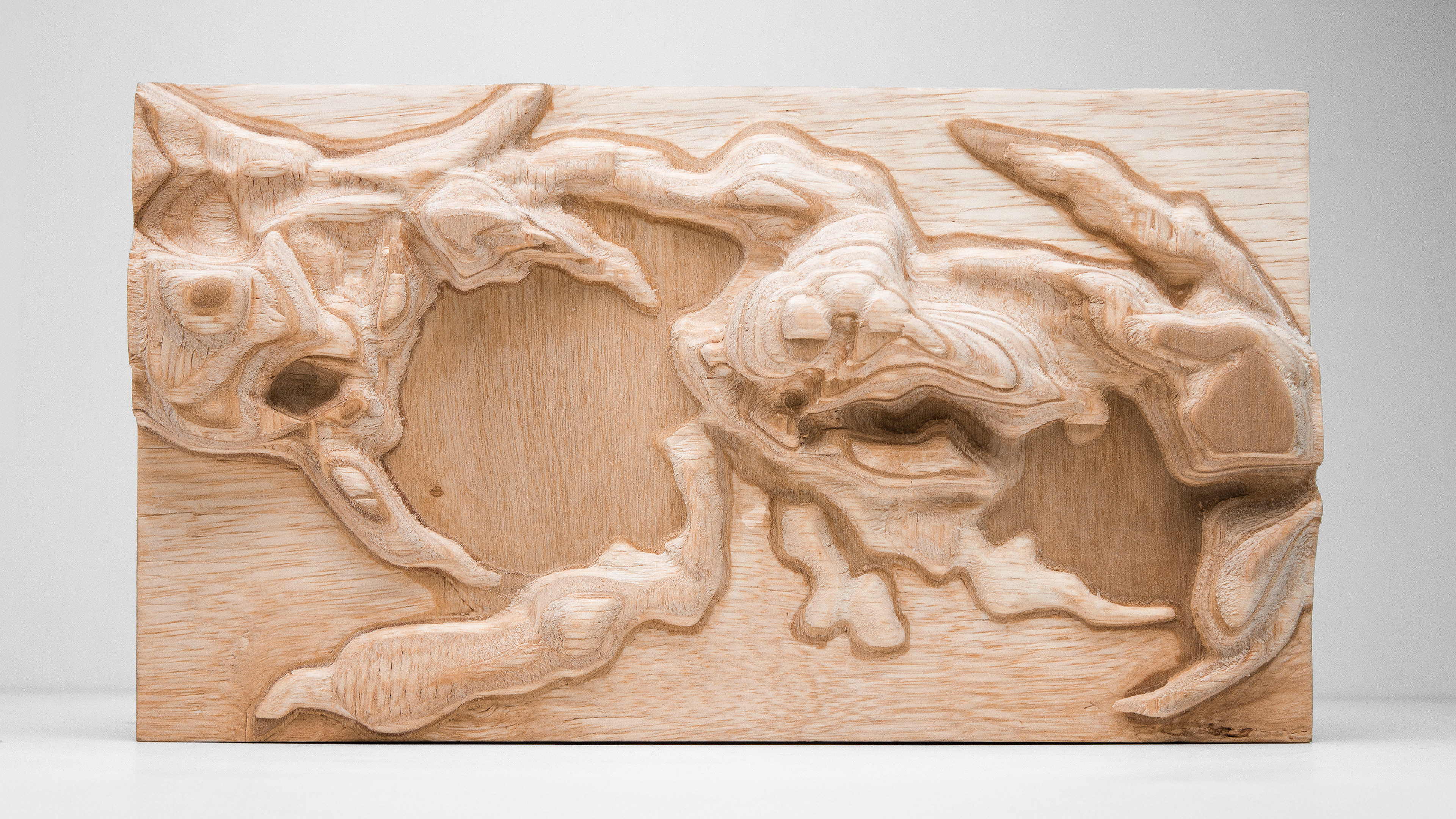
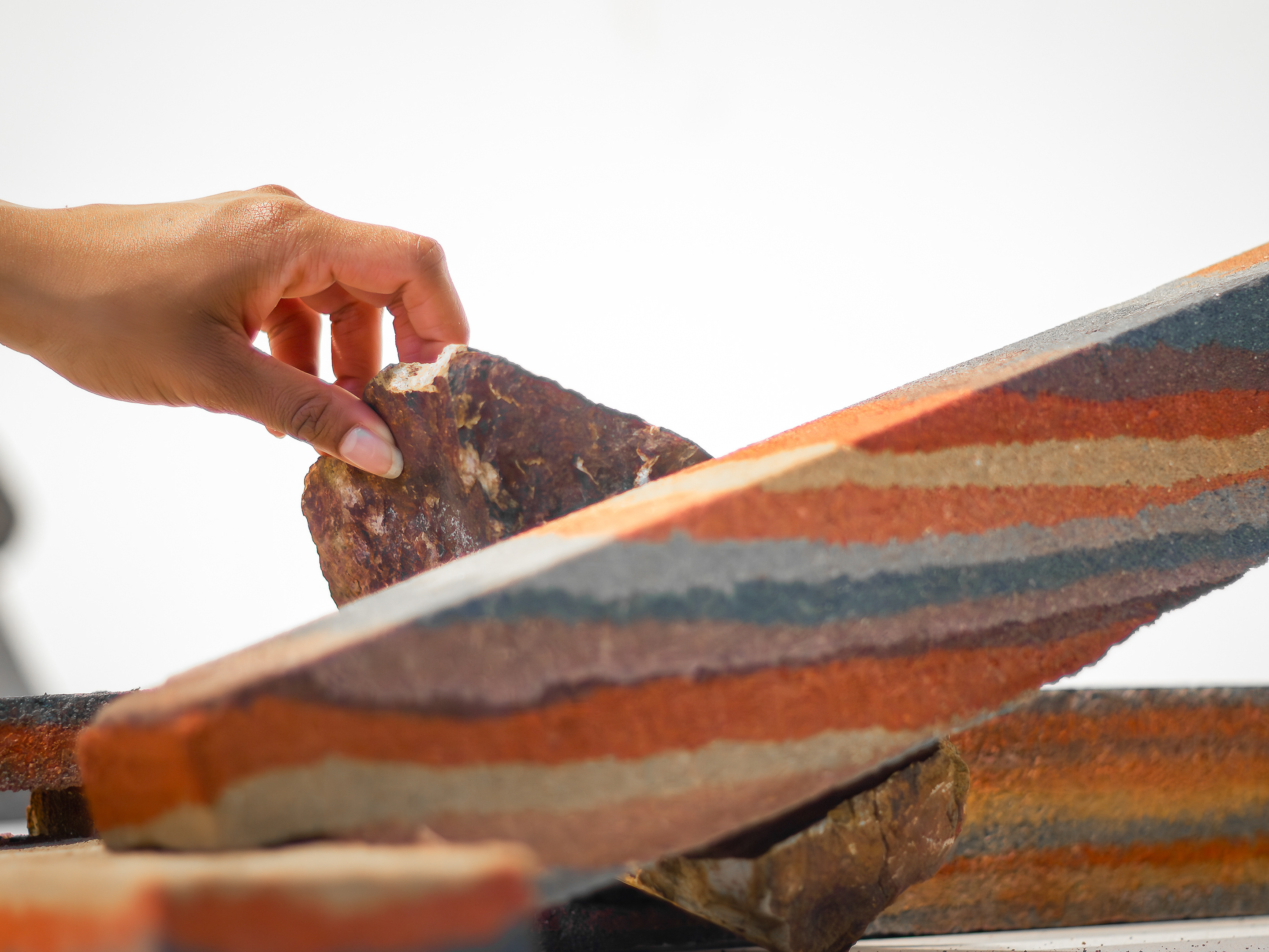
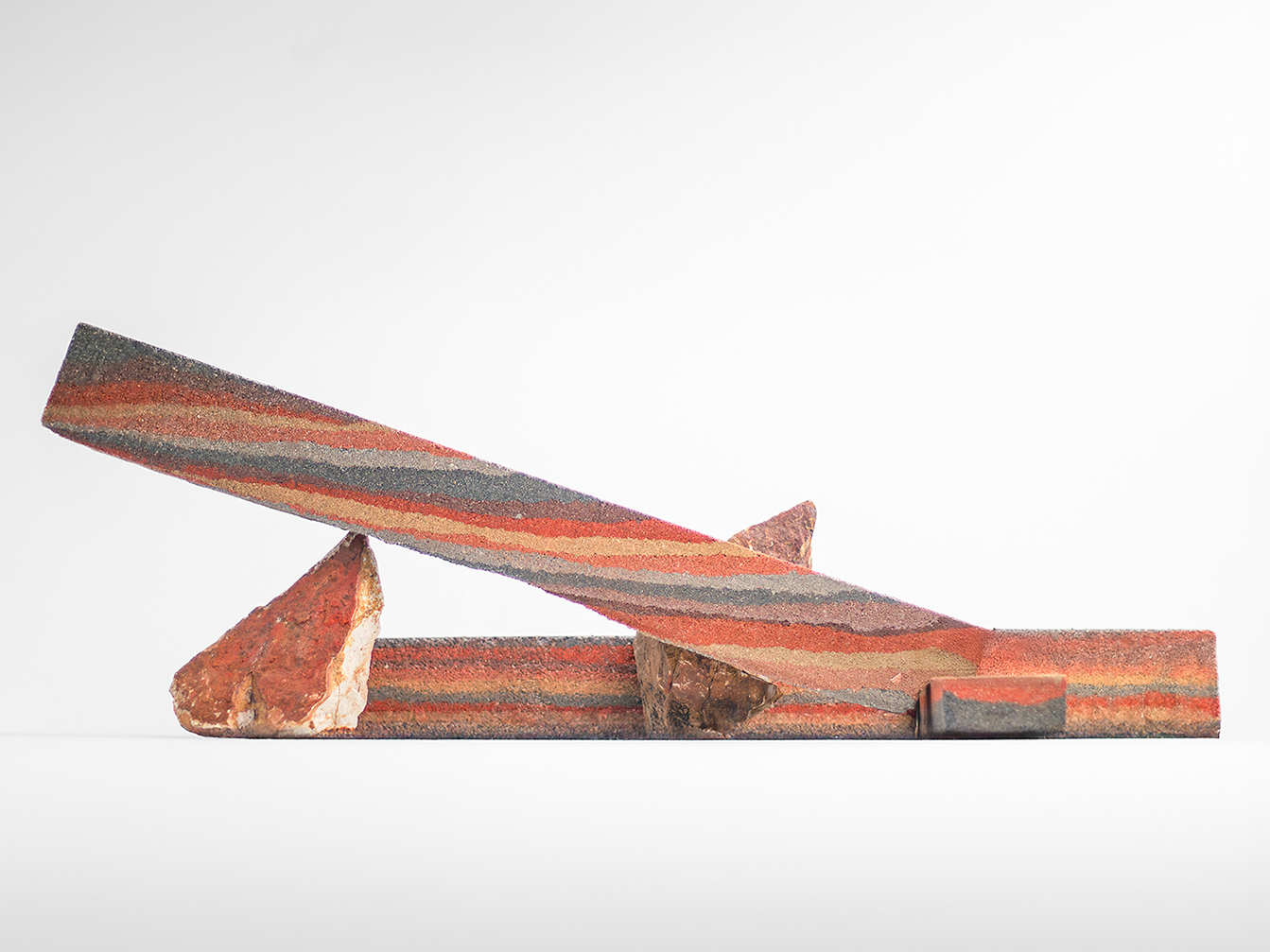
Positive Imprints: Fluid Flow of Motion
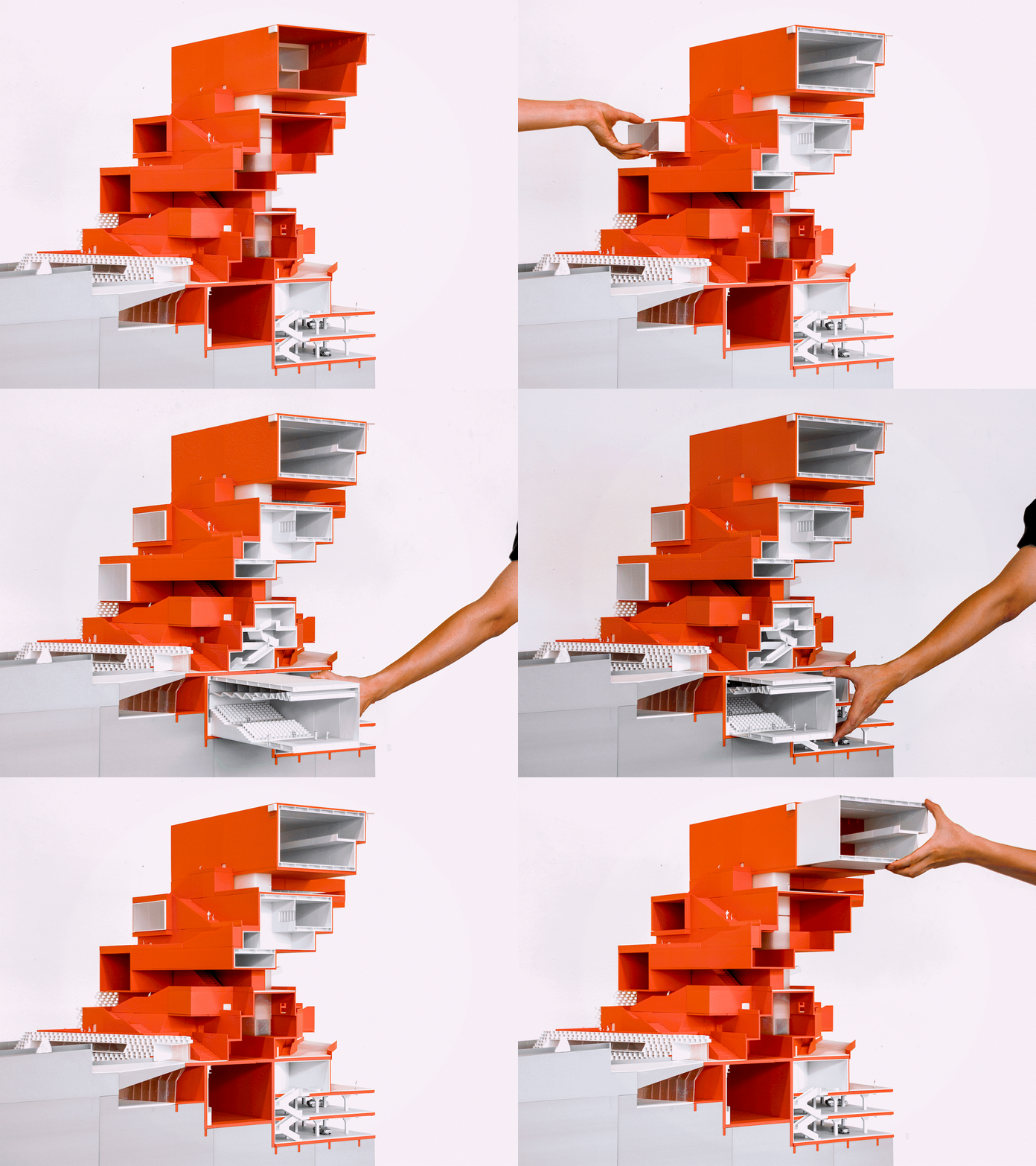
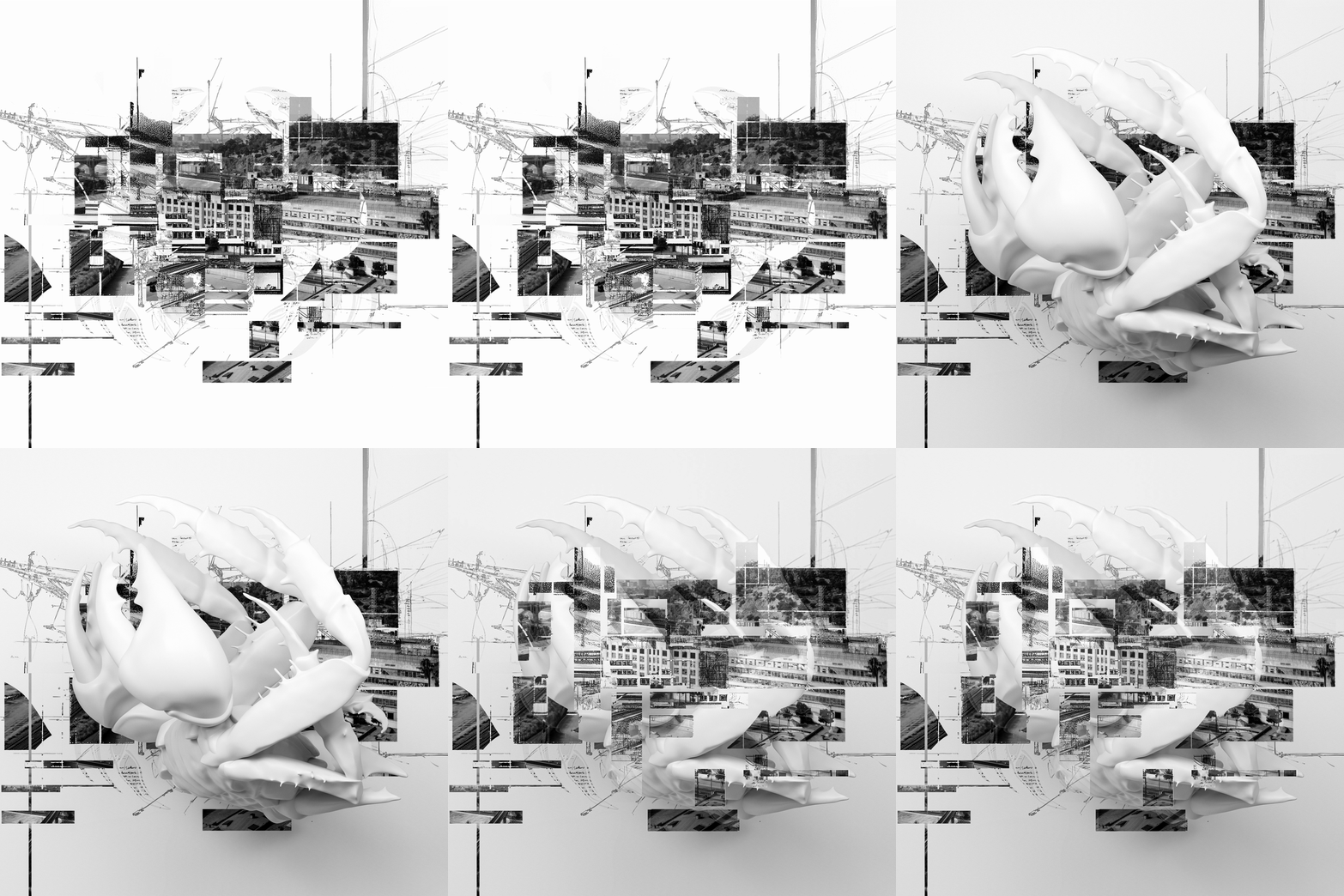
The formal exploration begins with the idea of biomorphic imprints on the existing building. Their intersections preserve the building’s core structural frameworks while introducing a new biomorphic system that operates as spatial boundaries. This system is then pulled out, assembled, and layered to generate decentralized circulation between the interior and exterior.
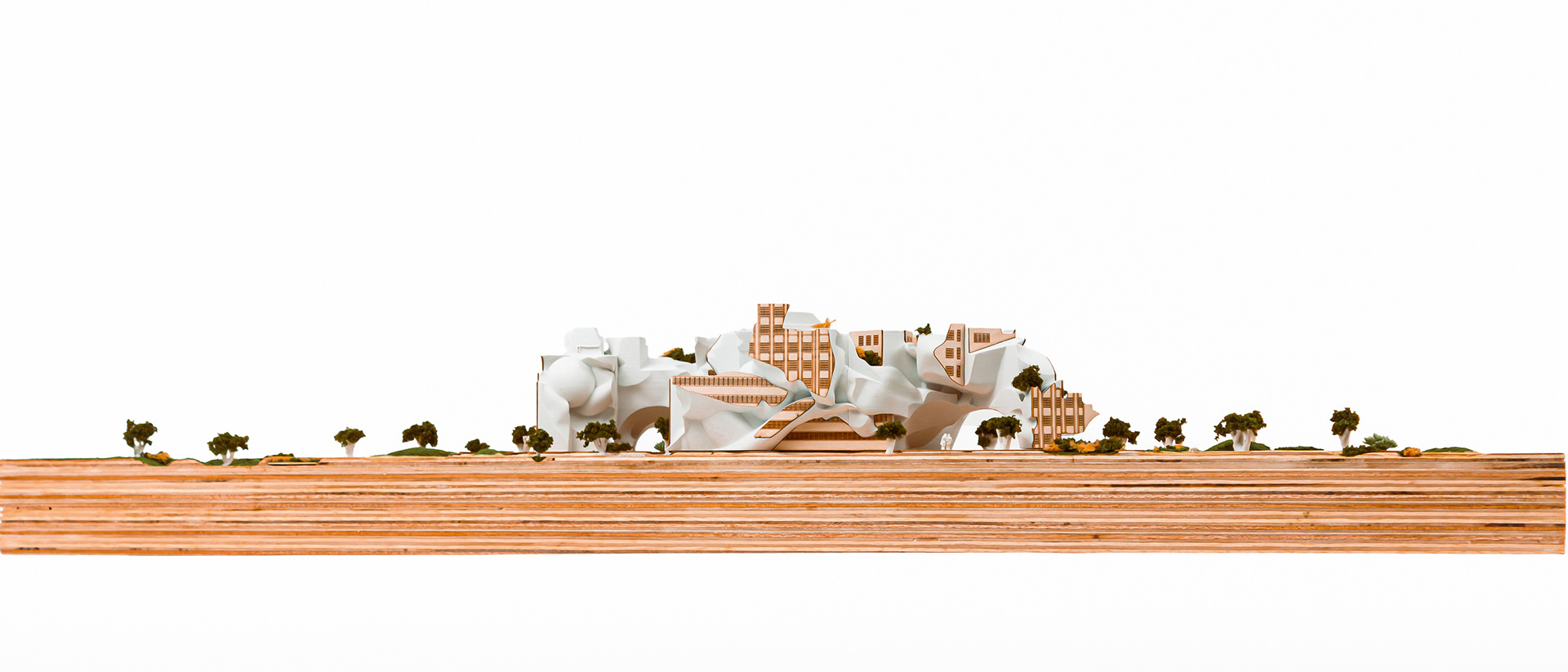
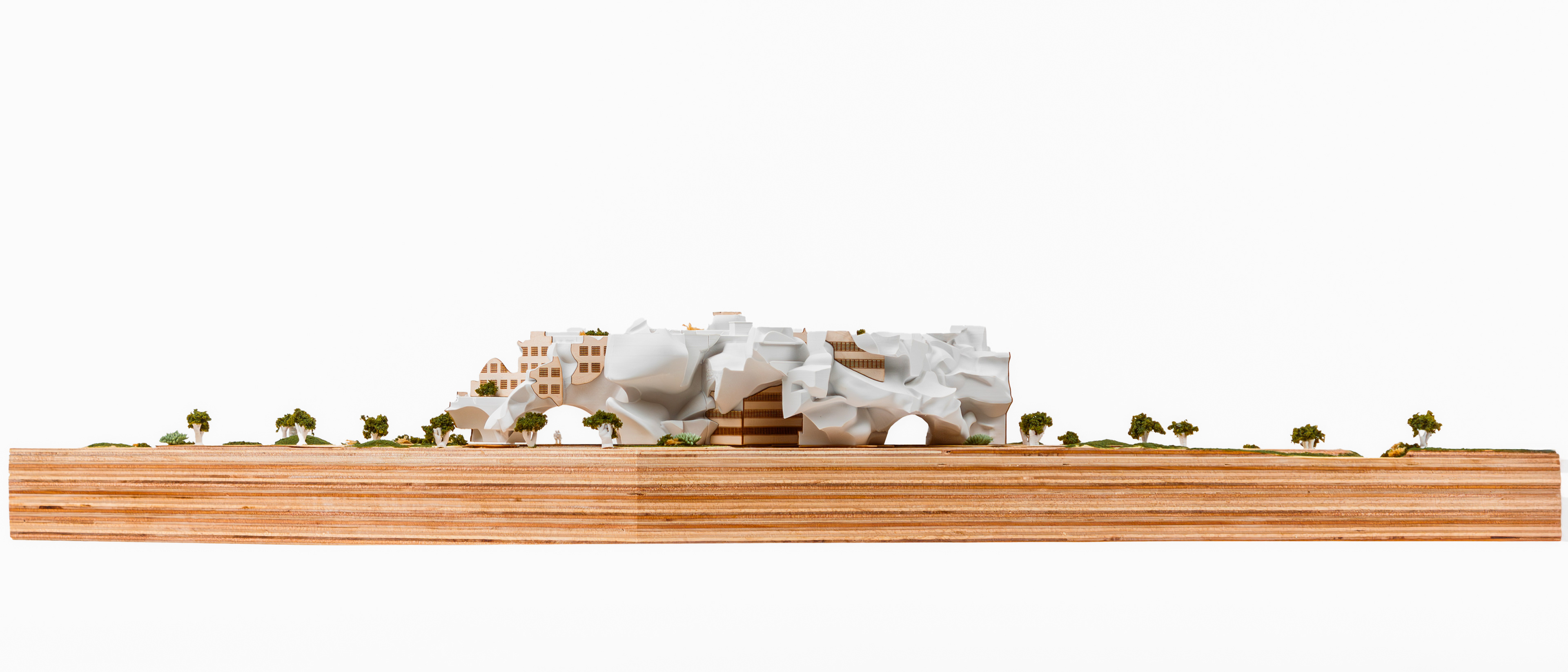
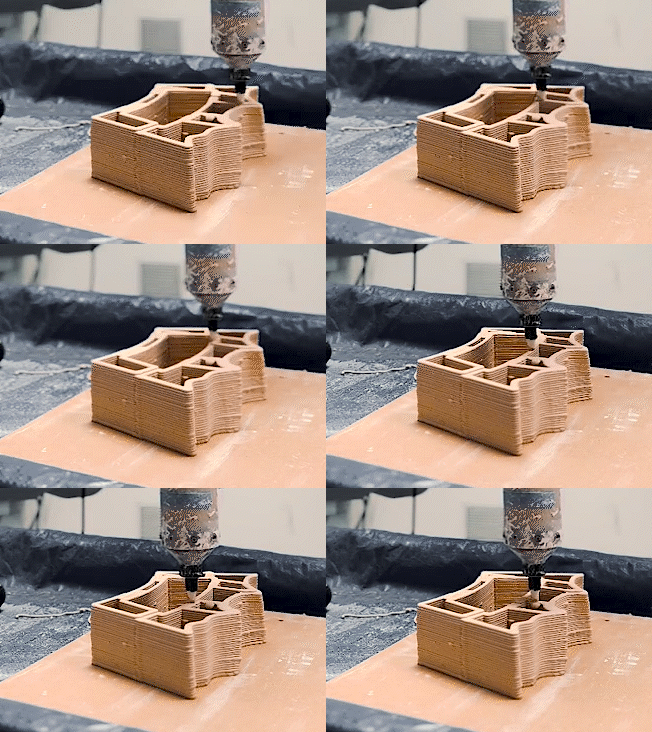
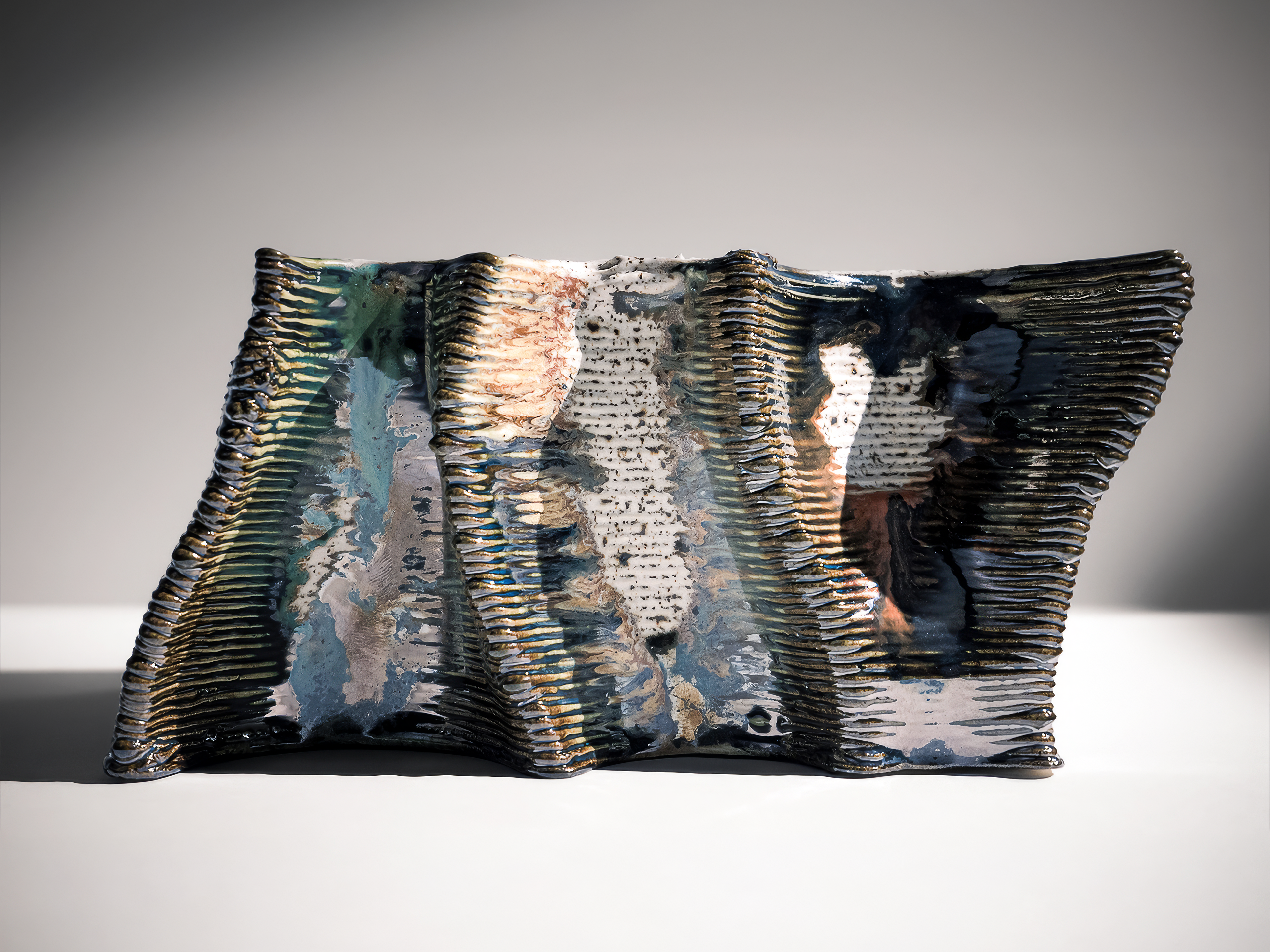
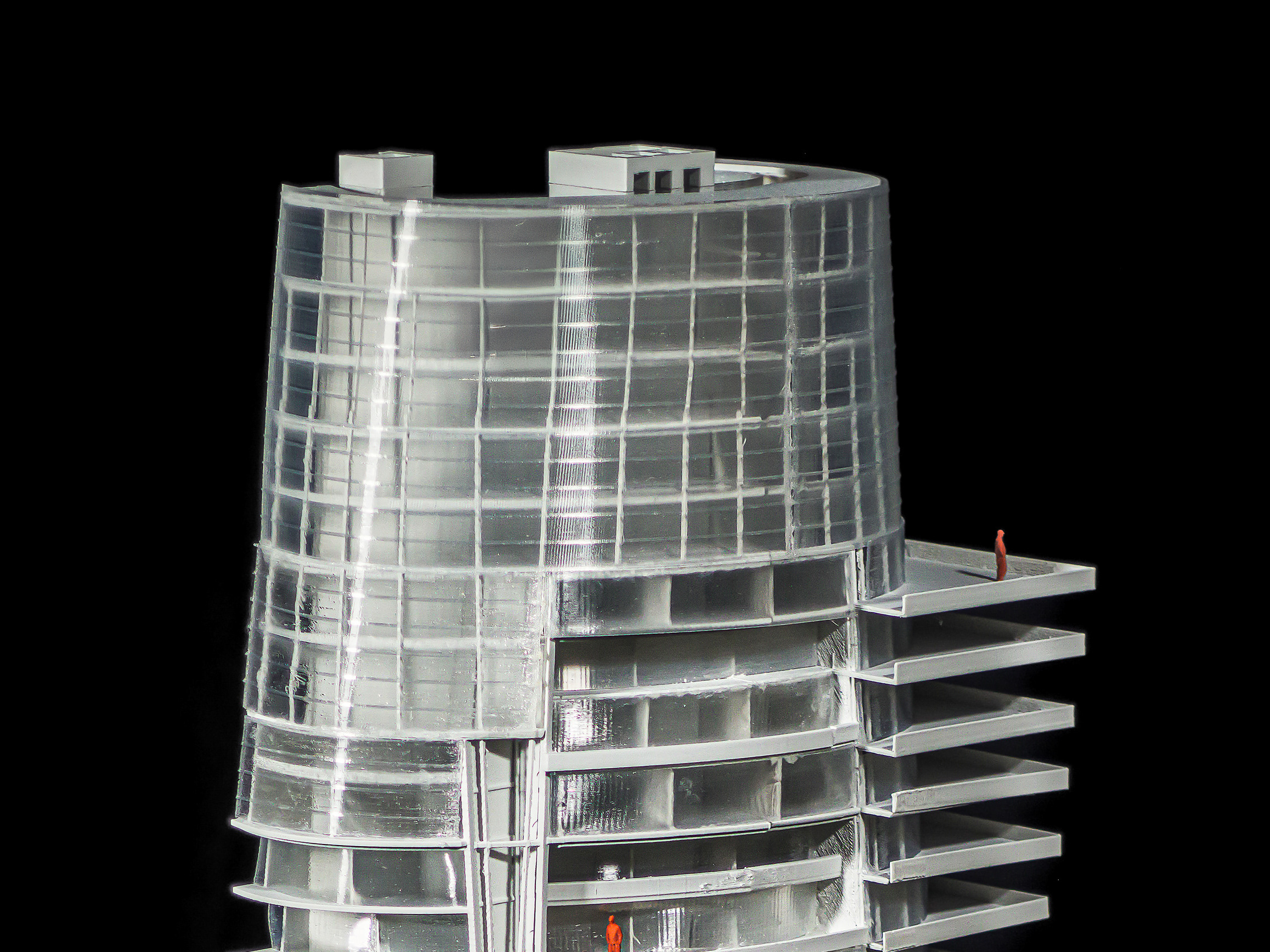
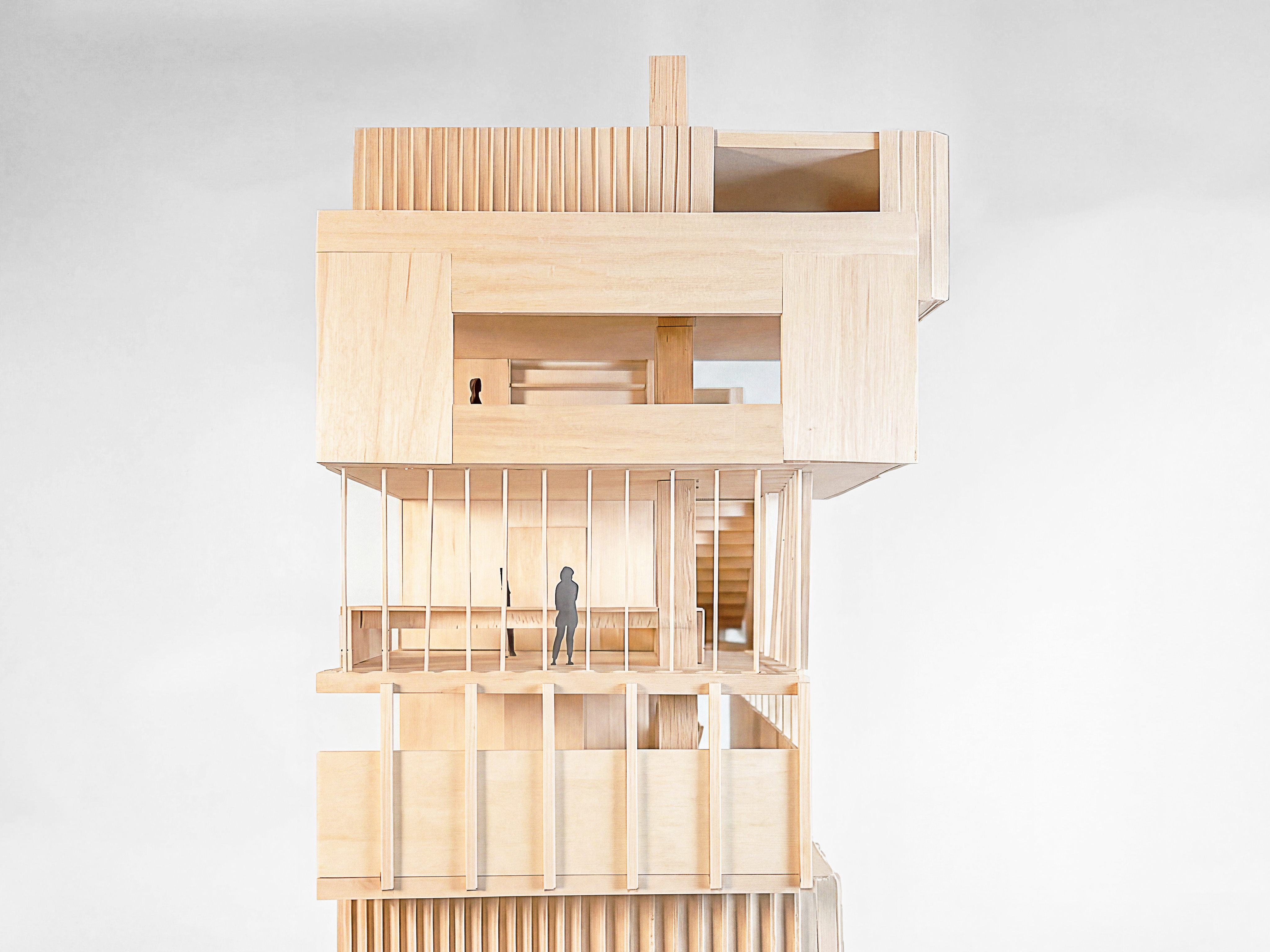
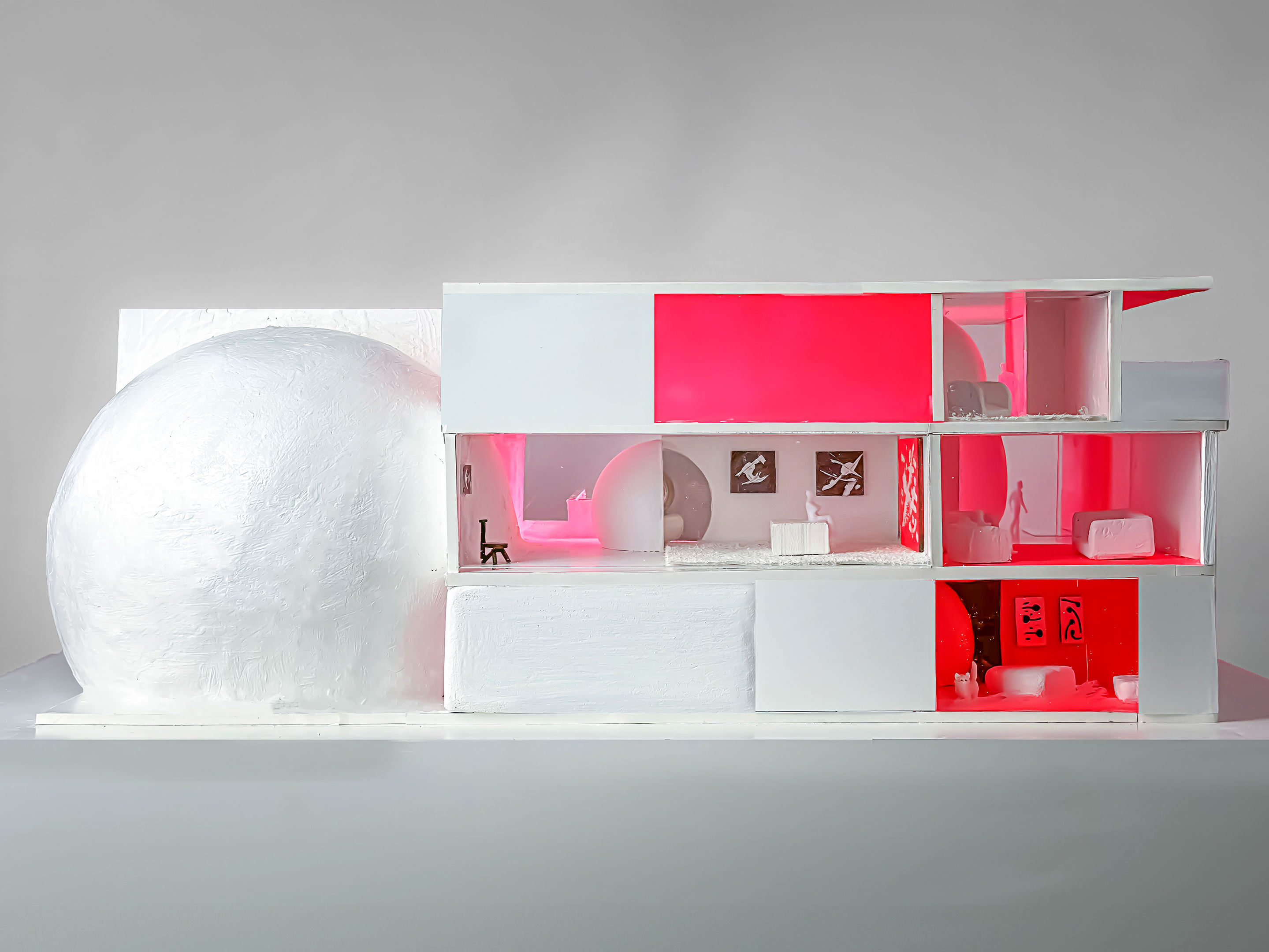
site models illustrating the spatial logics of biomorphic envelopes and their impact on the building’s aesthetic and formal expression.
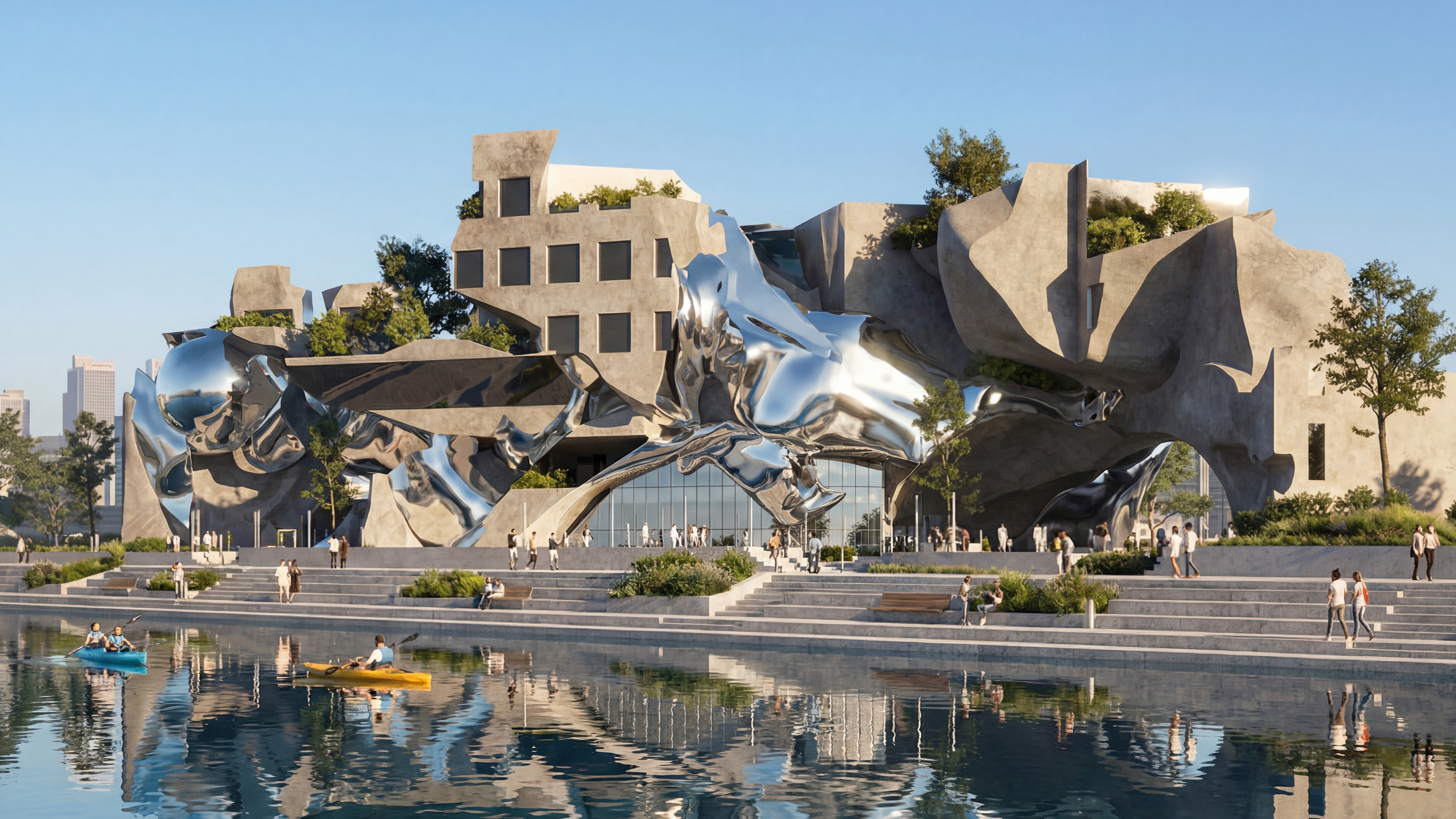
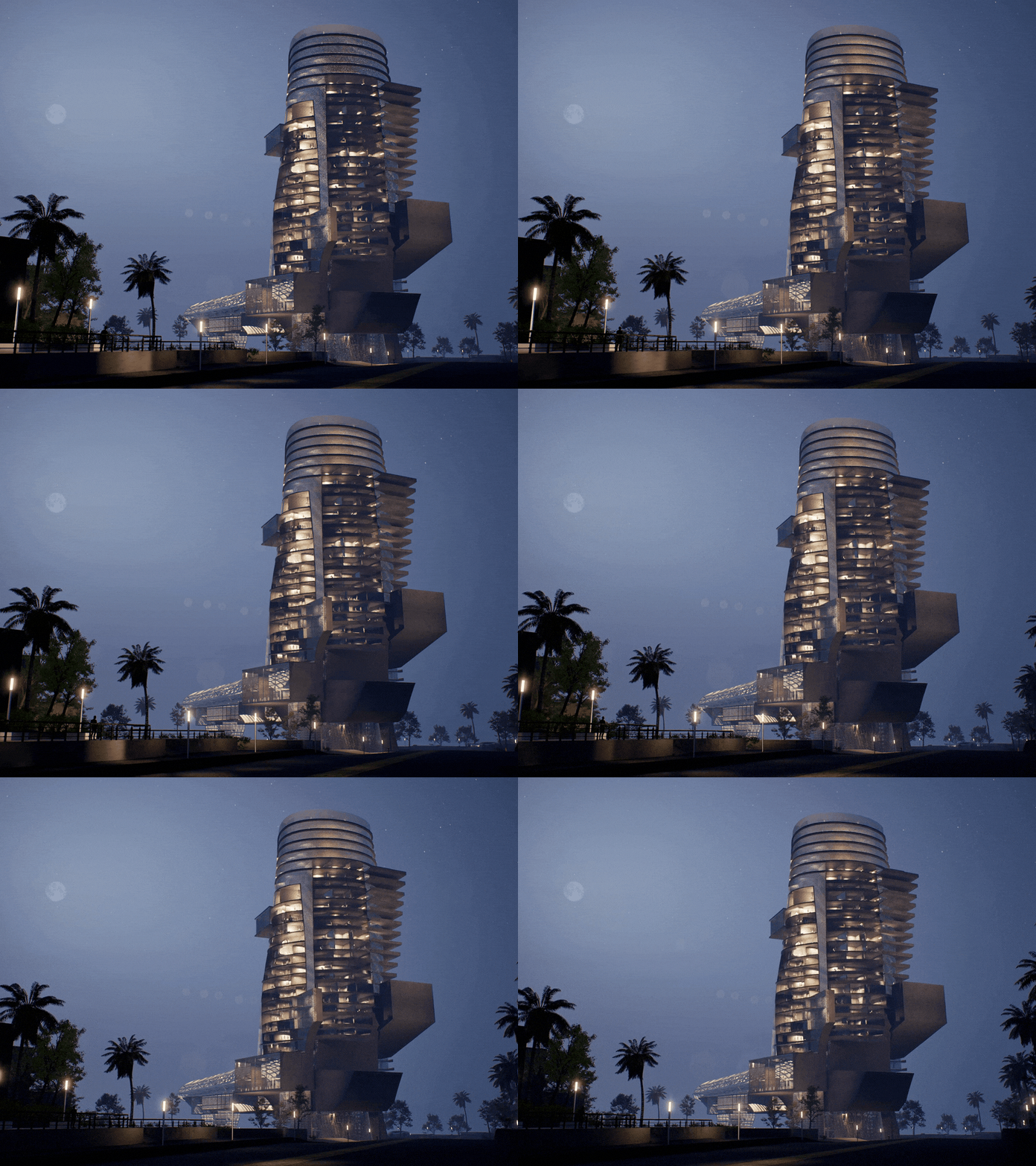
Views of HABITAT LHX from the Los Angeles Riverfront reveal opportunities to remediate contamination while transforming the river edge into a civic space supporting social interaction and ecological renewal.
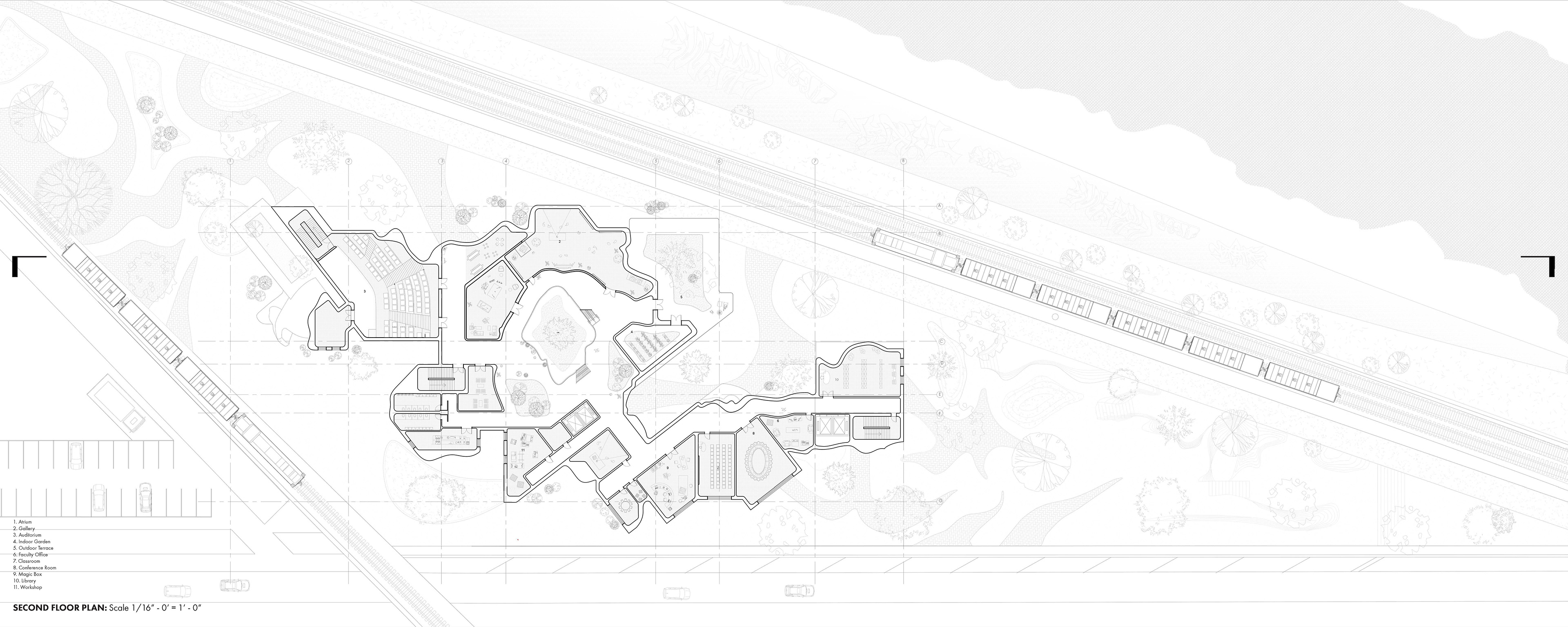
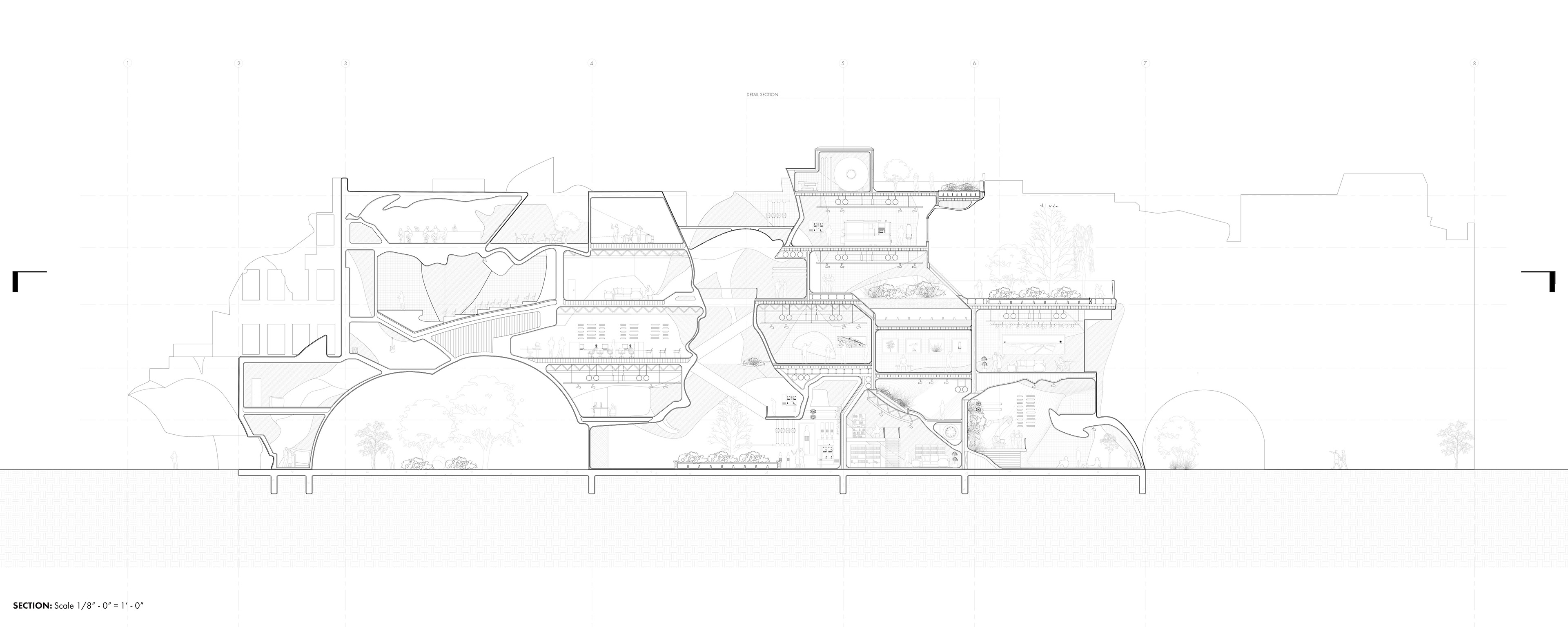
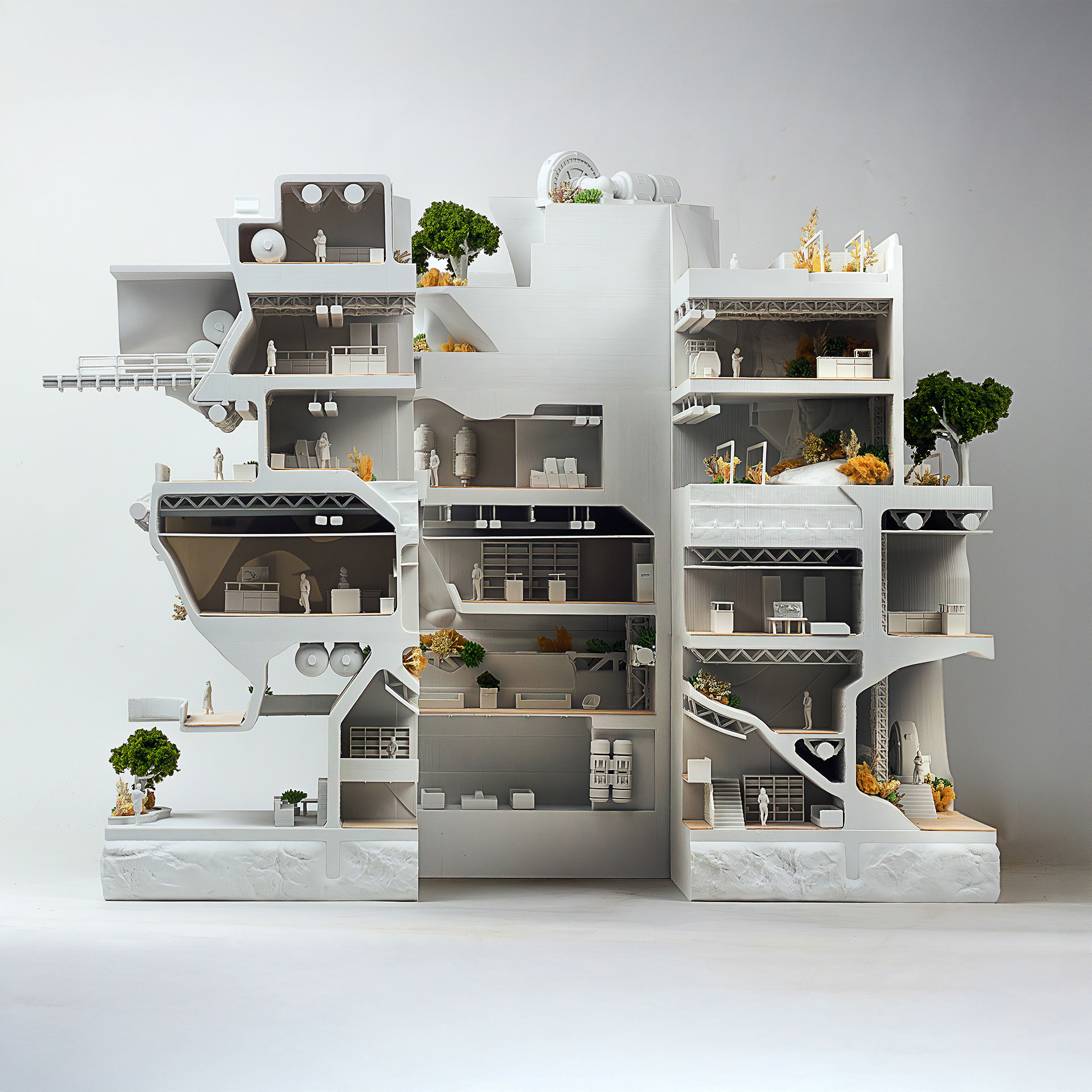
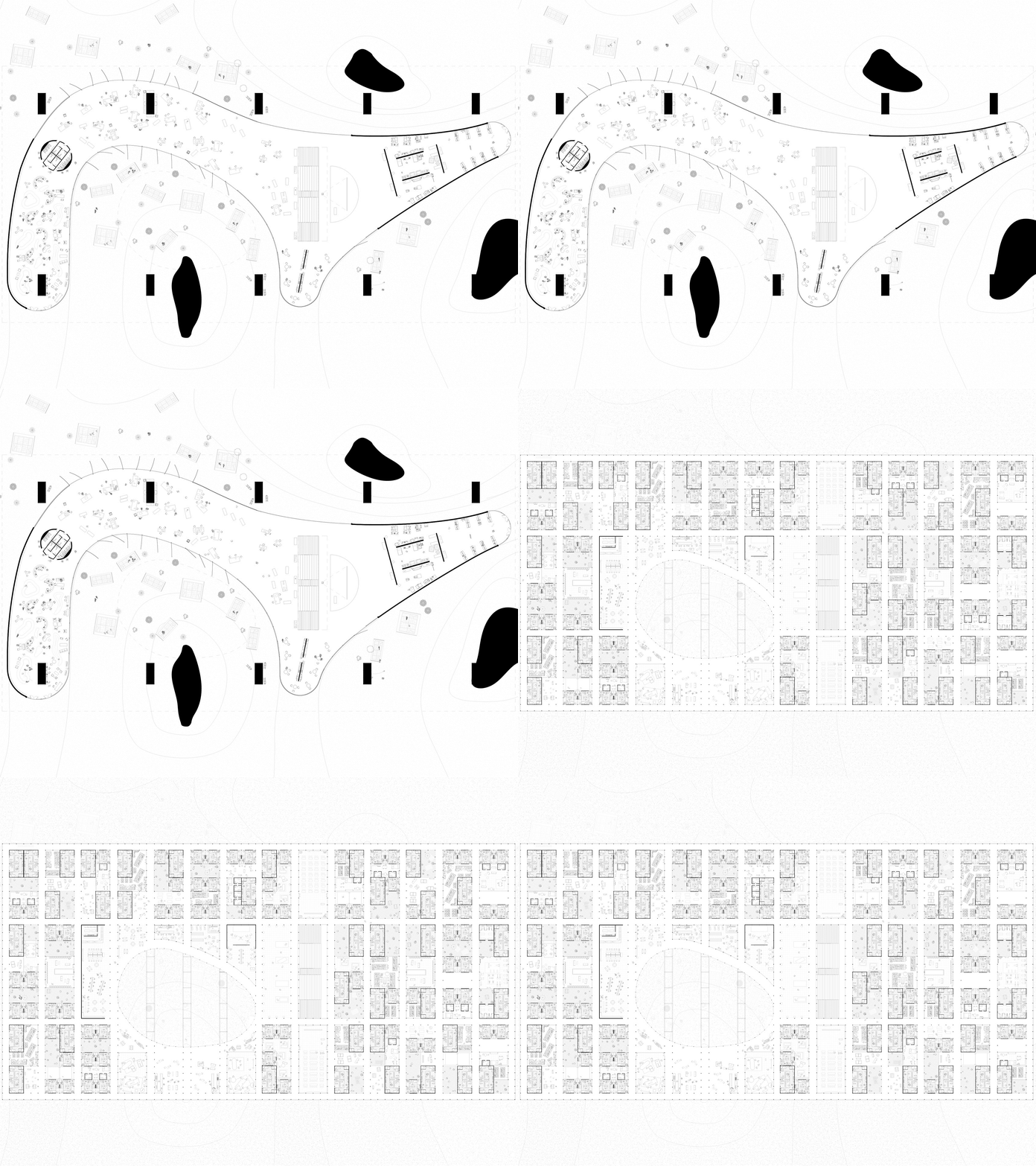
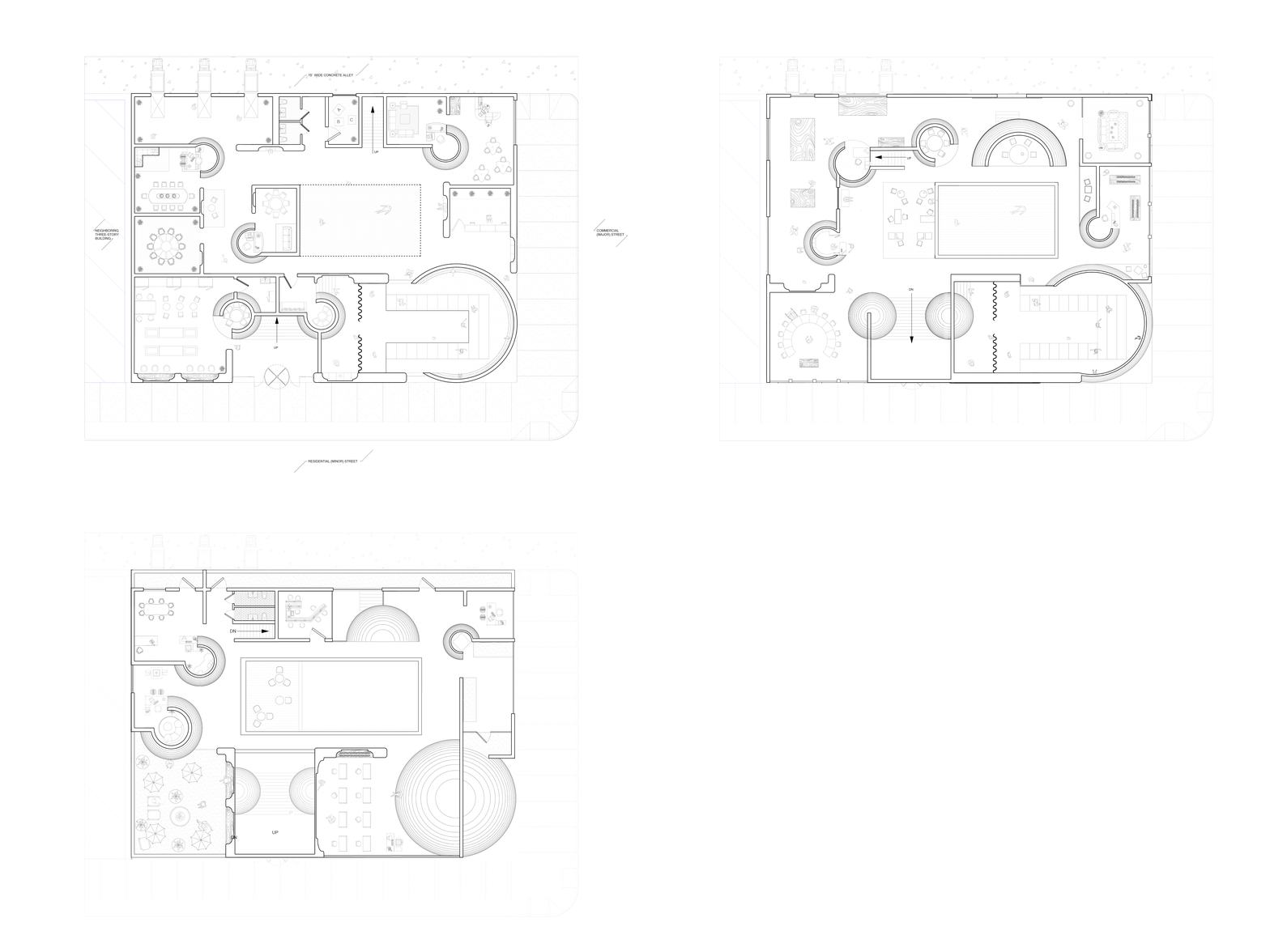
The intervention preserves the building’s primary framework while carving fluid boundaries that organize programs and movement. Internally, the system establishes decentralized circulation anchored by the atrium, generating continuous, traversable trajectories that activate vertical and horizontal connections across the building’s levels
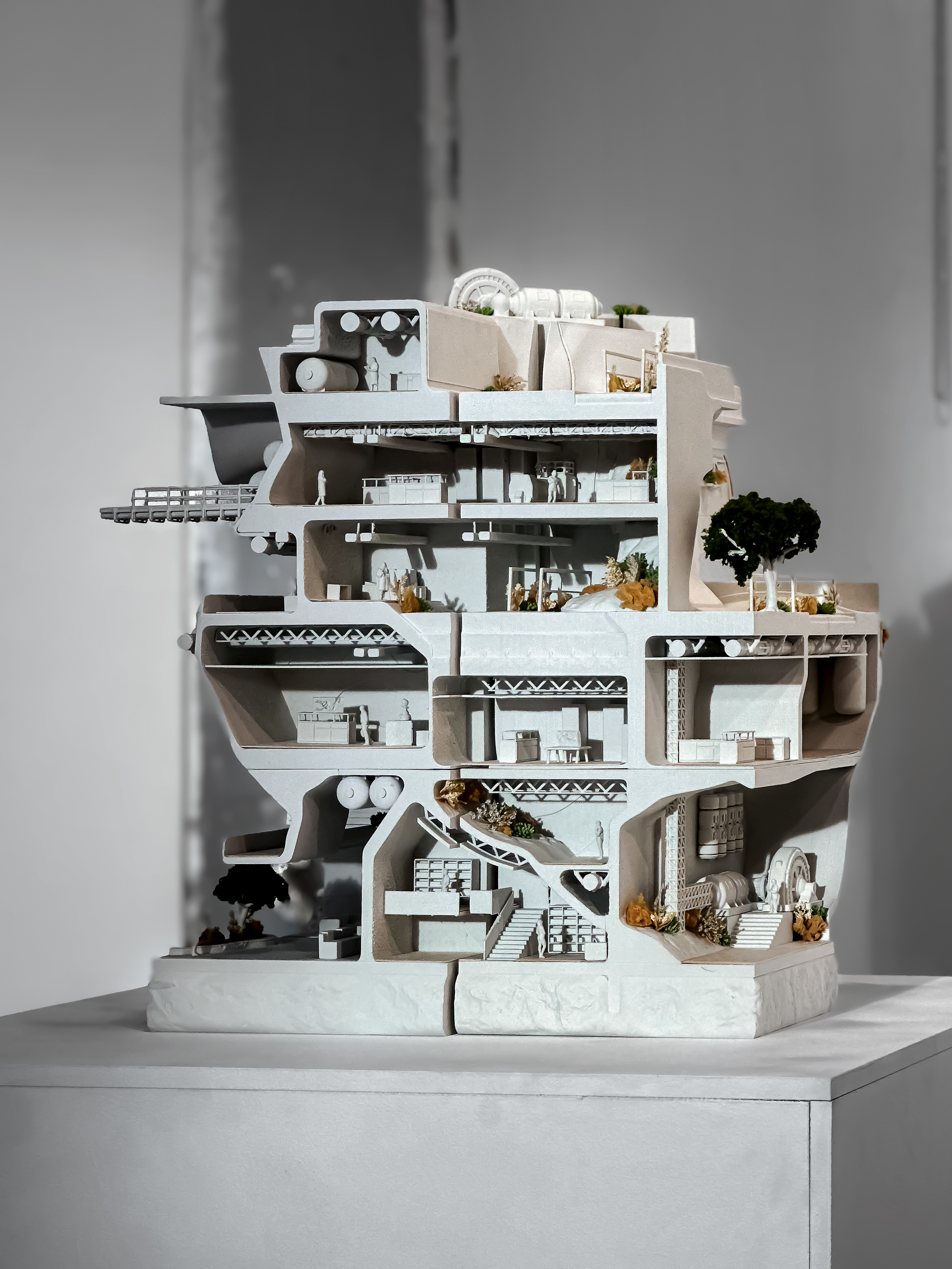
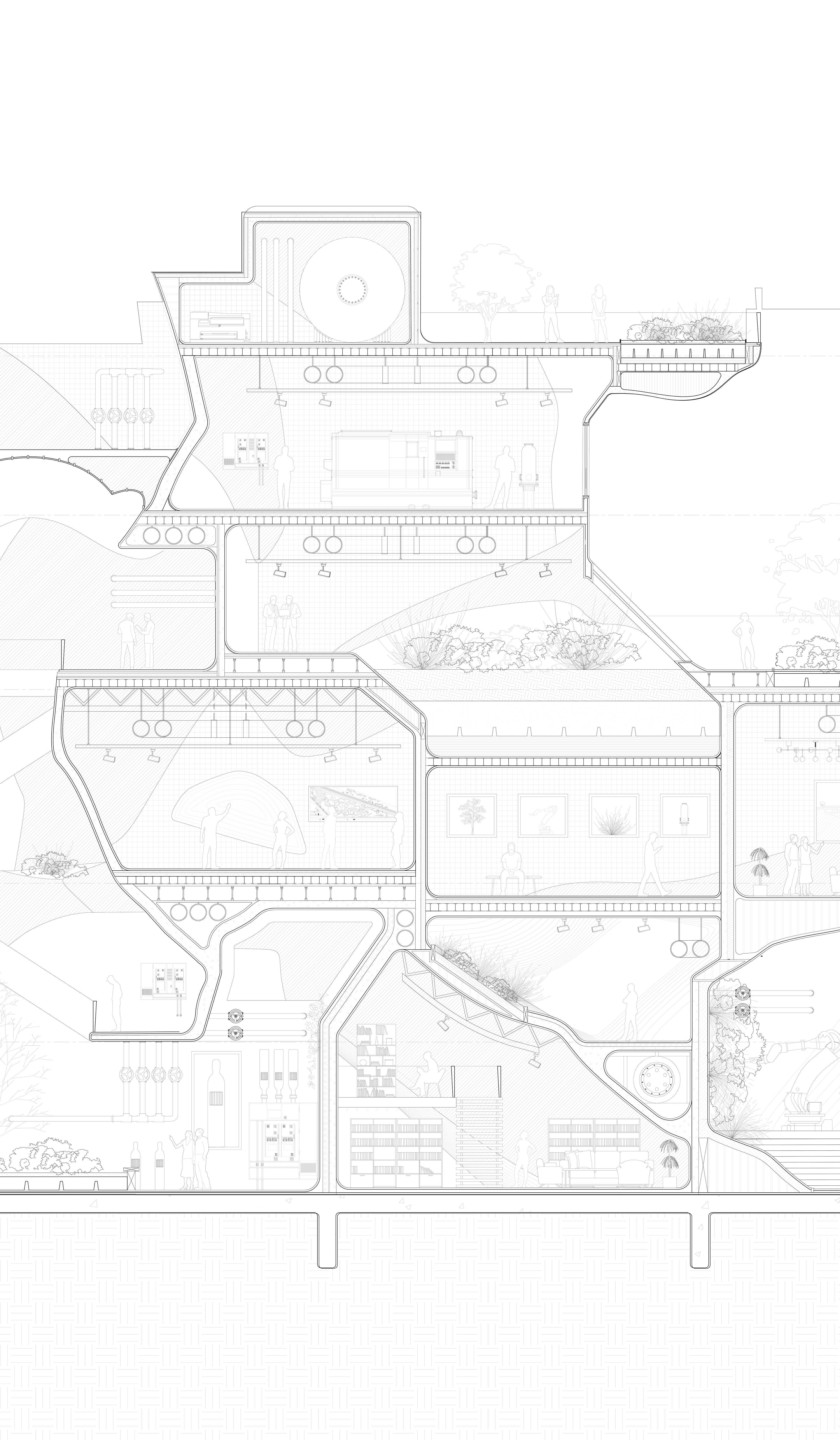
Detail Section Drawing: Scale 1/2" = 1'-0"
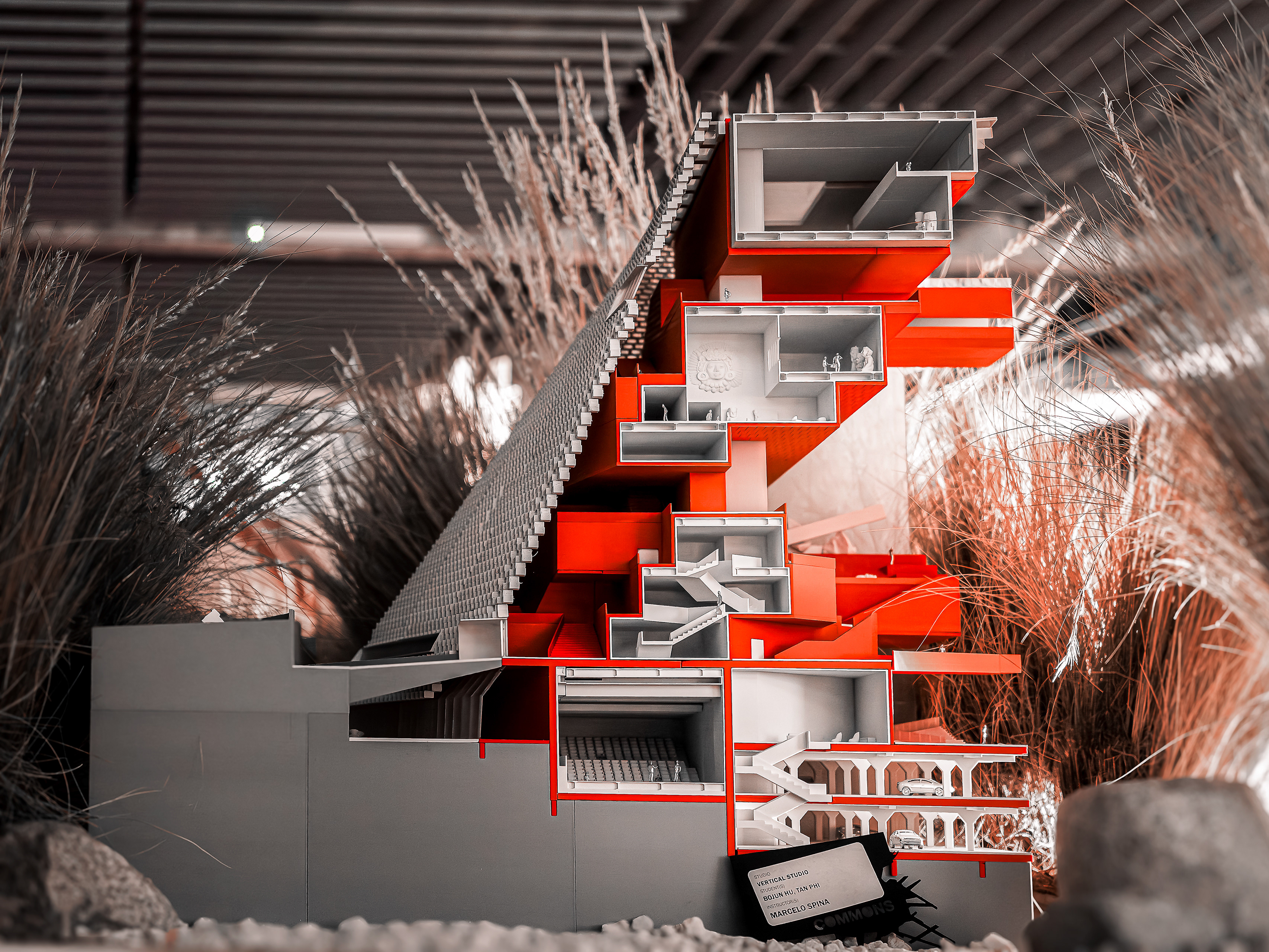
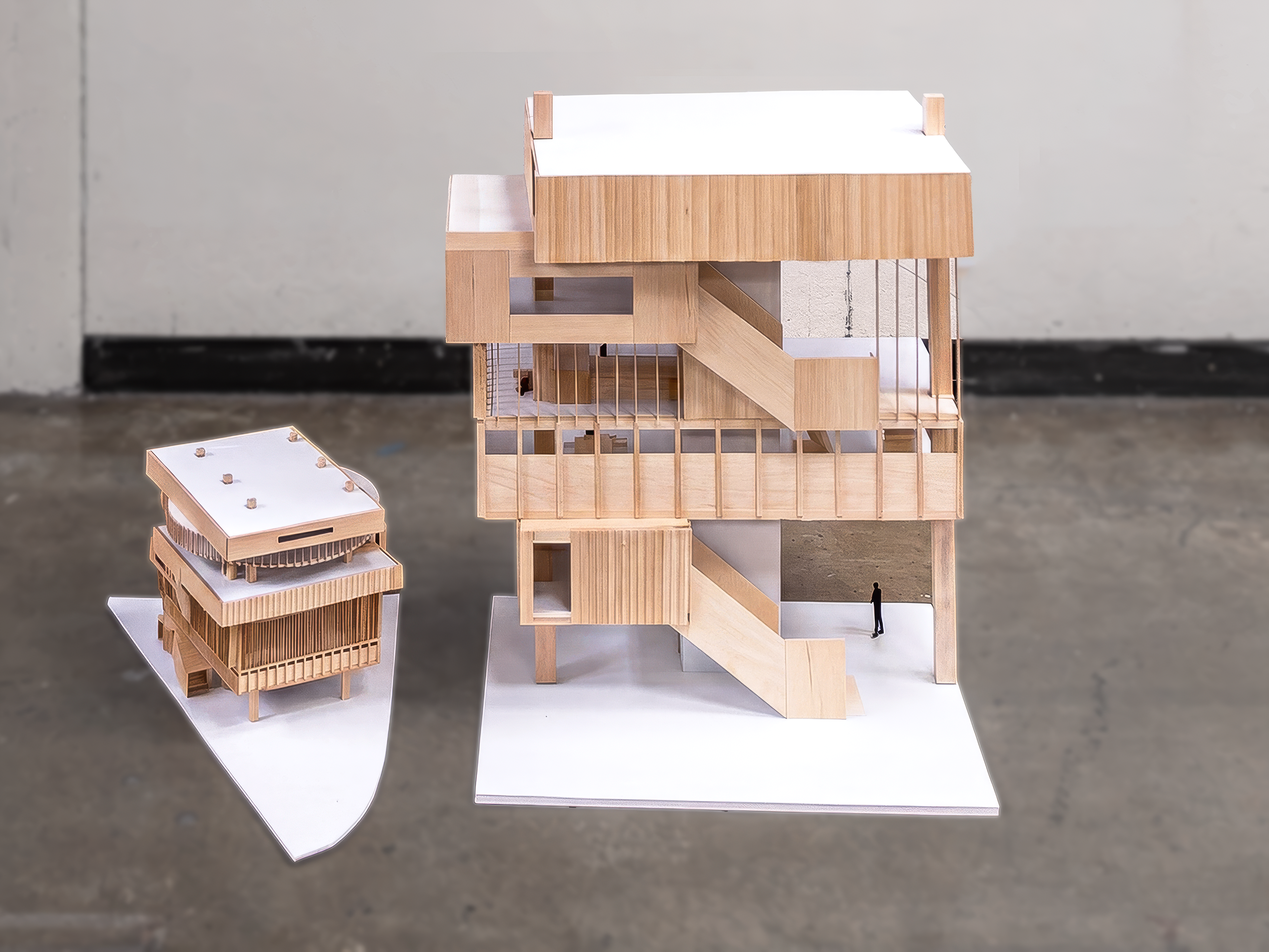
Detailed section and model revealing the layered spatial organization and structural clarity of the interior, highlighting the integration of preserved concrete slabs, new structural frameworks, and biomorphic gestures that shape interior experiences, programmatic functions, and social interactions.
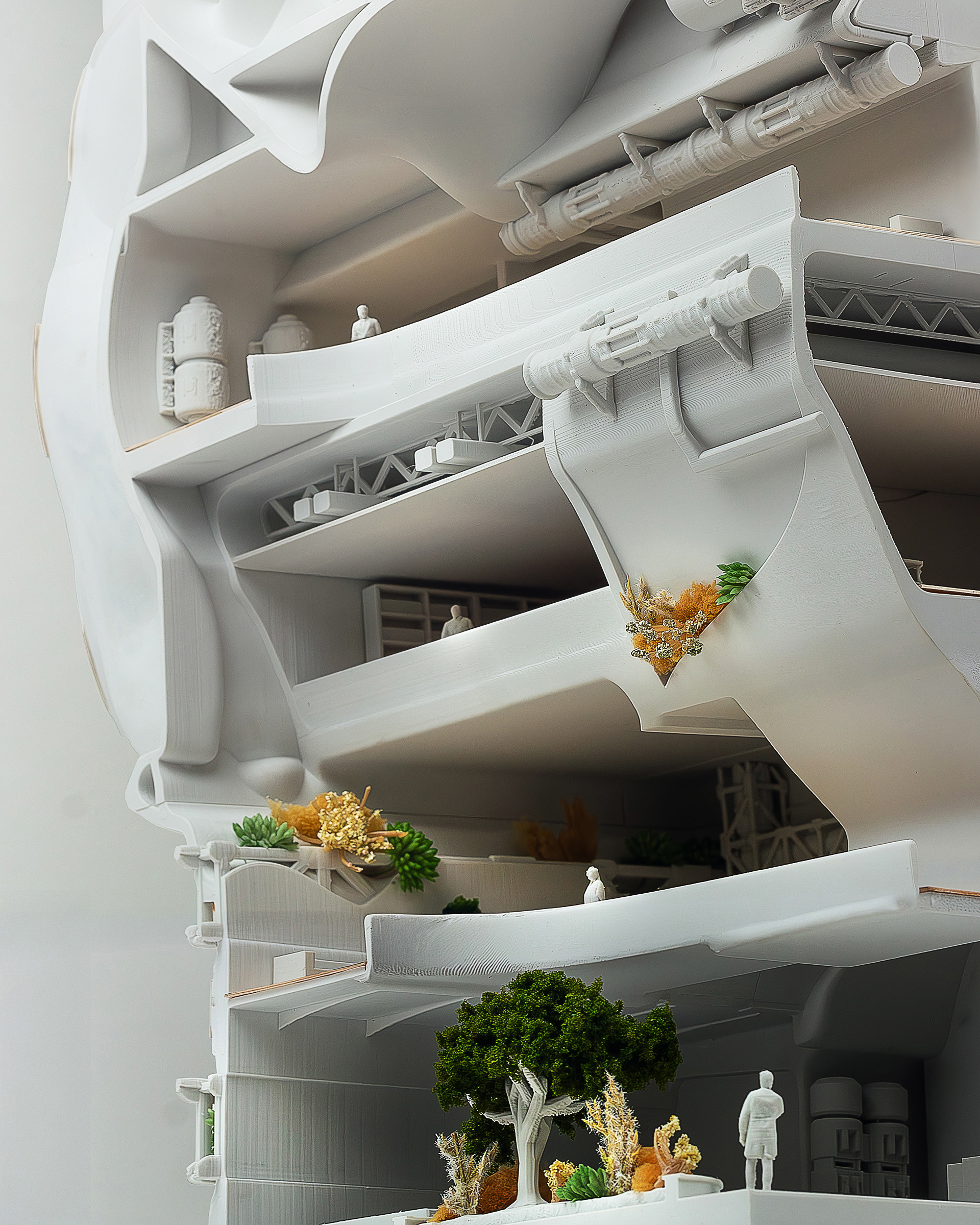
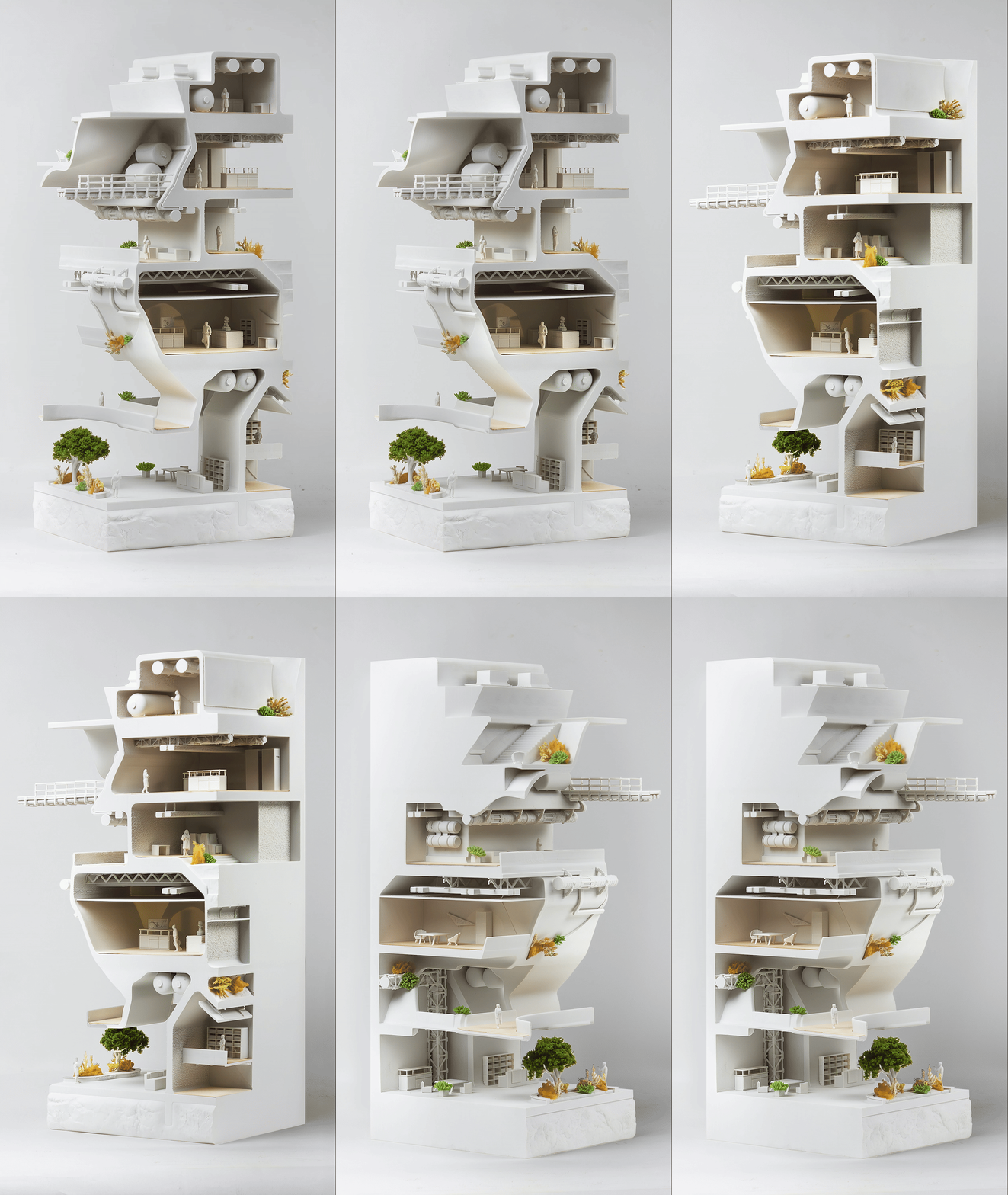
Together, the biomorphic envelope and the interior operate as a dual-layer strategy that redefines the relationship between interior and exterior experience—dissolving boundaries between horizontal and vertical circulation, as well as between enclosure and exposure. Habitat LHX is not merely a renovation, but a reinterpretation of architectural life within an alternative utopian framework: an environment that informs, shades, and invites, proposing a spatial model through which architectural intervention can recalibrate social conditions, programmatic purpose, and environmental engagement.