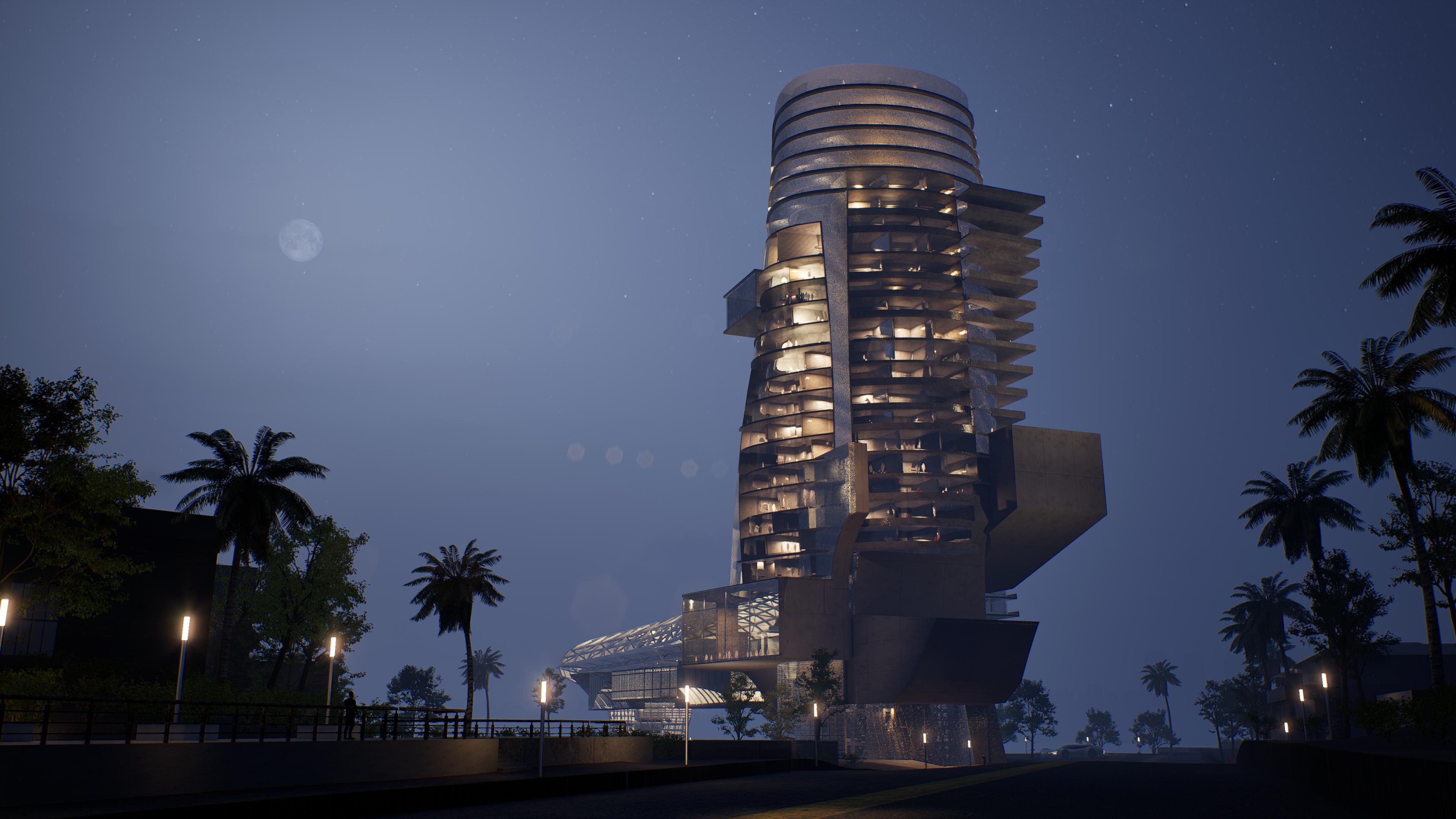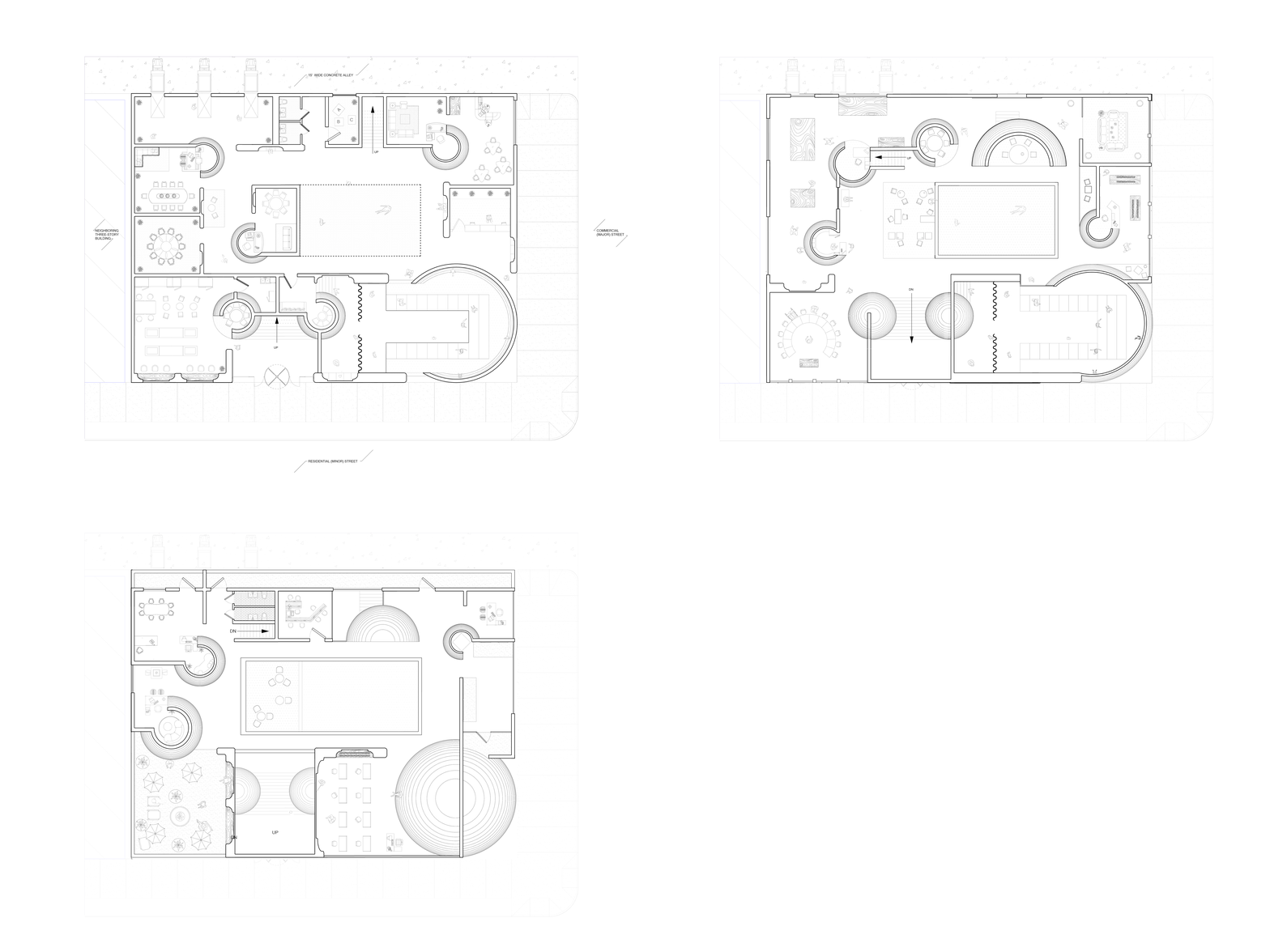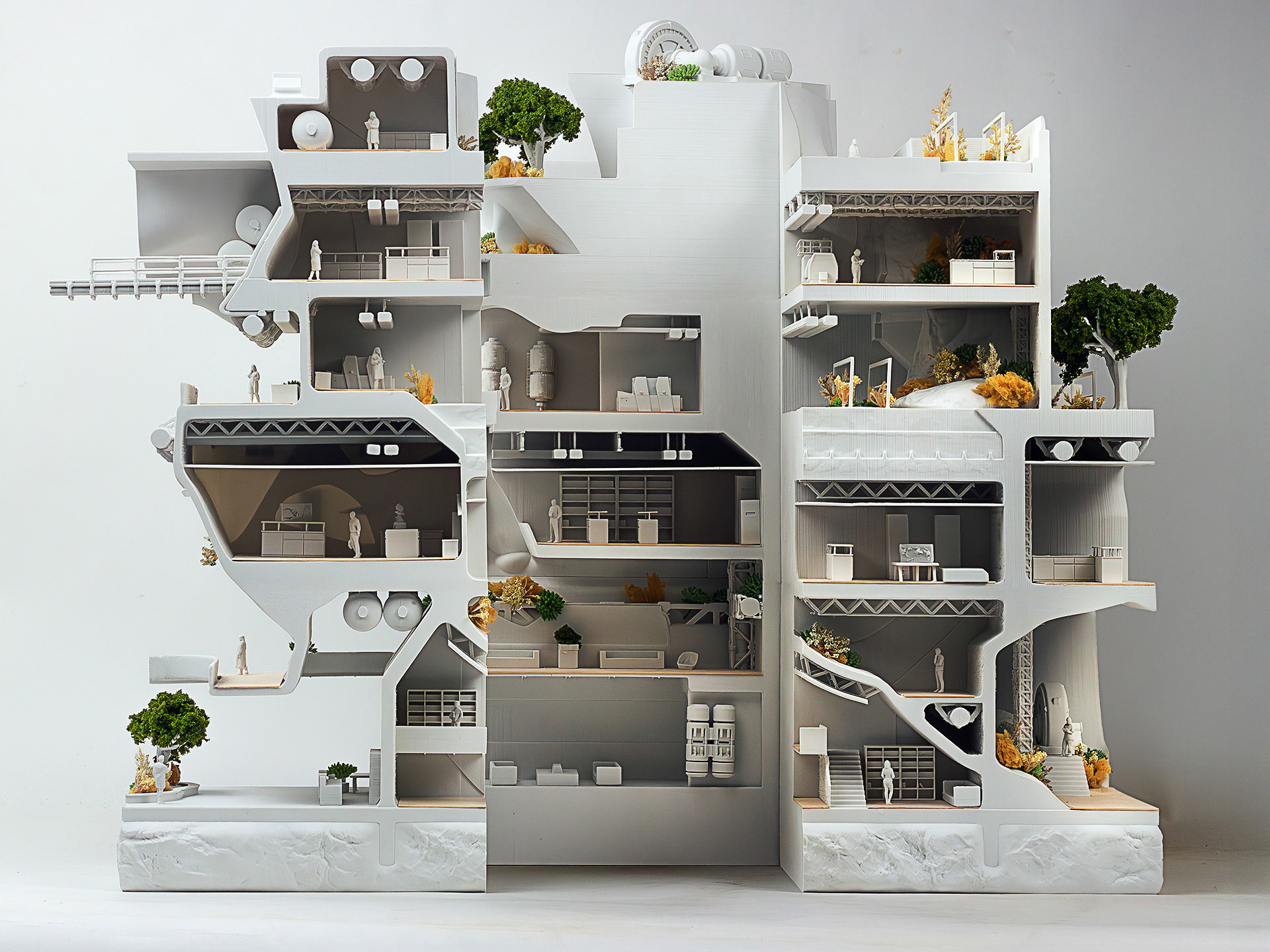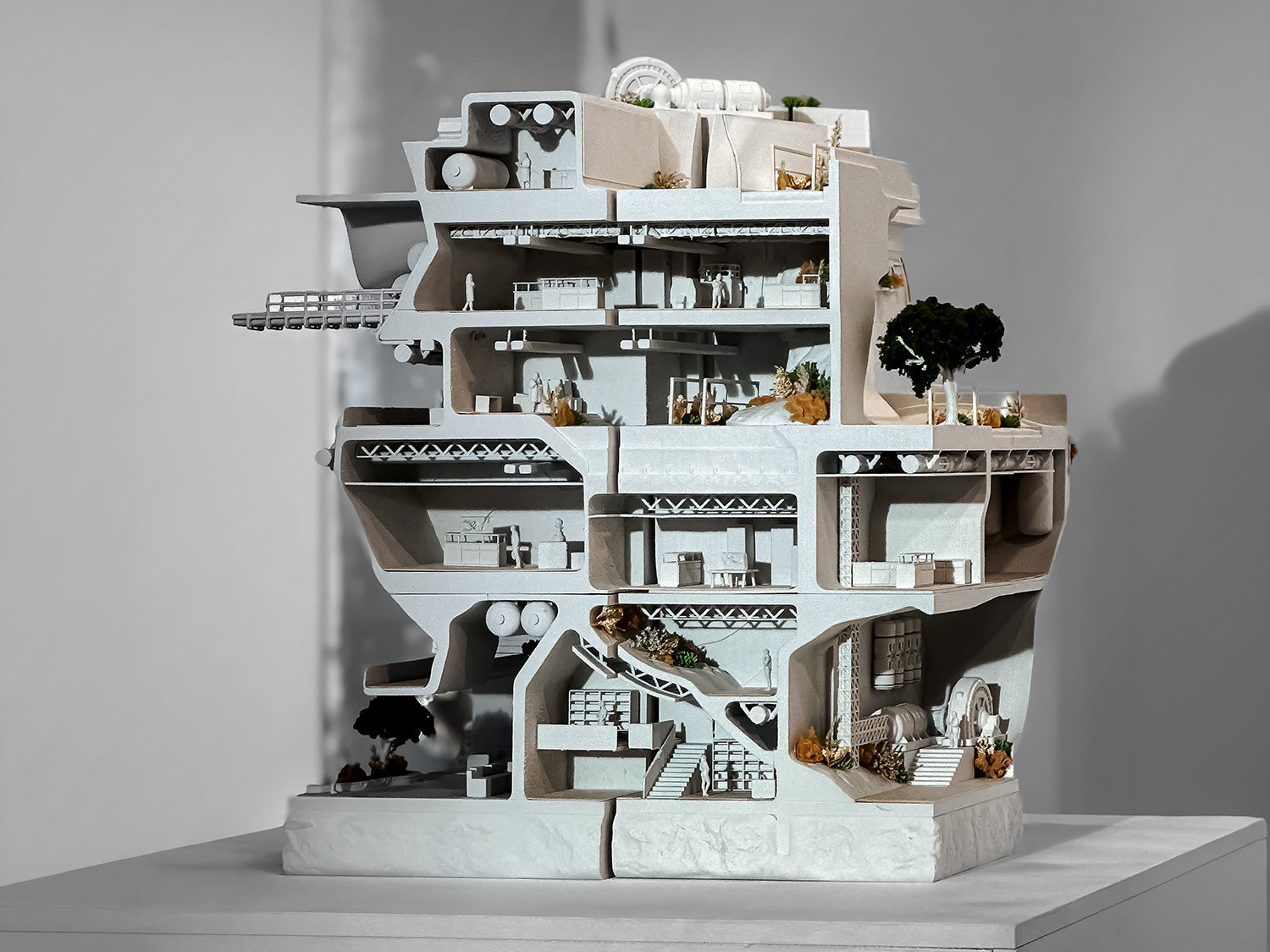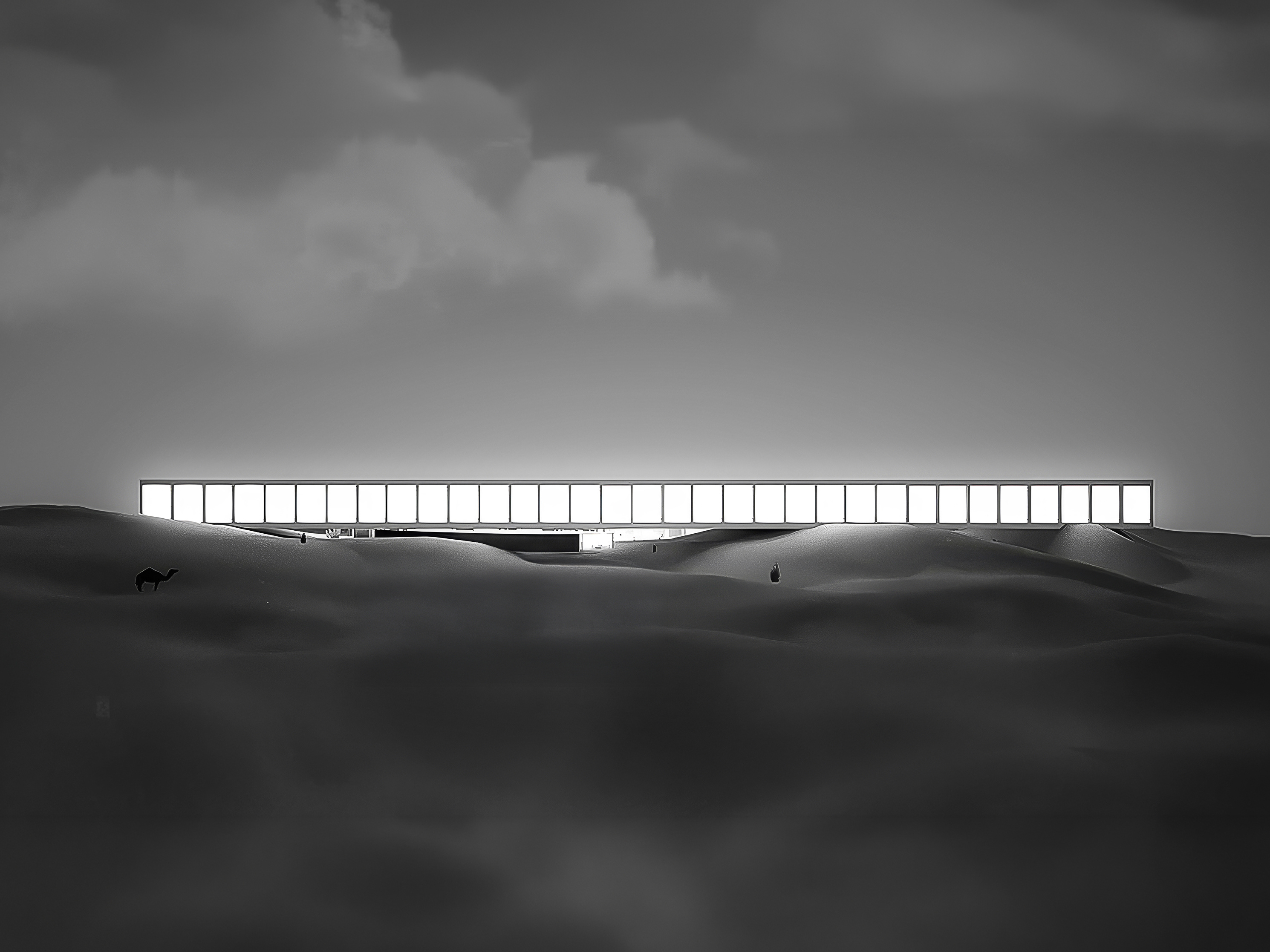
X-Horizon is a design proposal for a 30-story high-rise complex at 17299 Pacific Coast Highway, located at a critical intersection along a primary evacuation route during the recent Palisades fires. Inspired by the site’s role during the fire, the project advances the idea of a bridge—a transitional overpass linking the vertical tower to the ocean coastline—while engaging the beach as an untapped natural habitat and a symbol of peace and revitalization. At its core, the design interweaves horizontal and vertical spatial volumes, each articulating distinct spatial and functional qualities
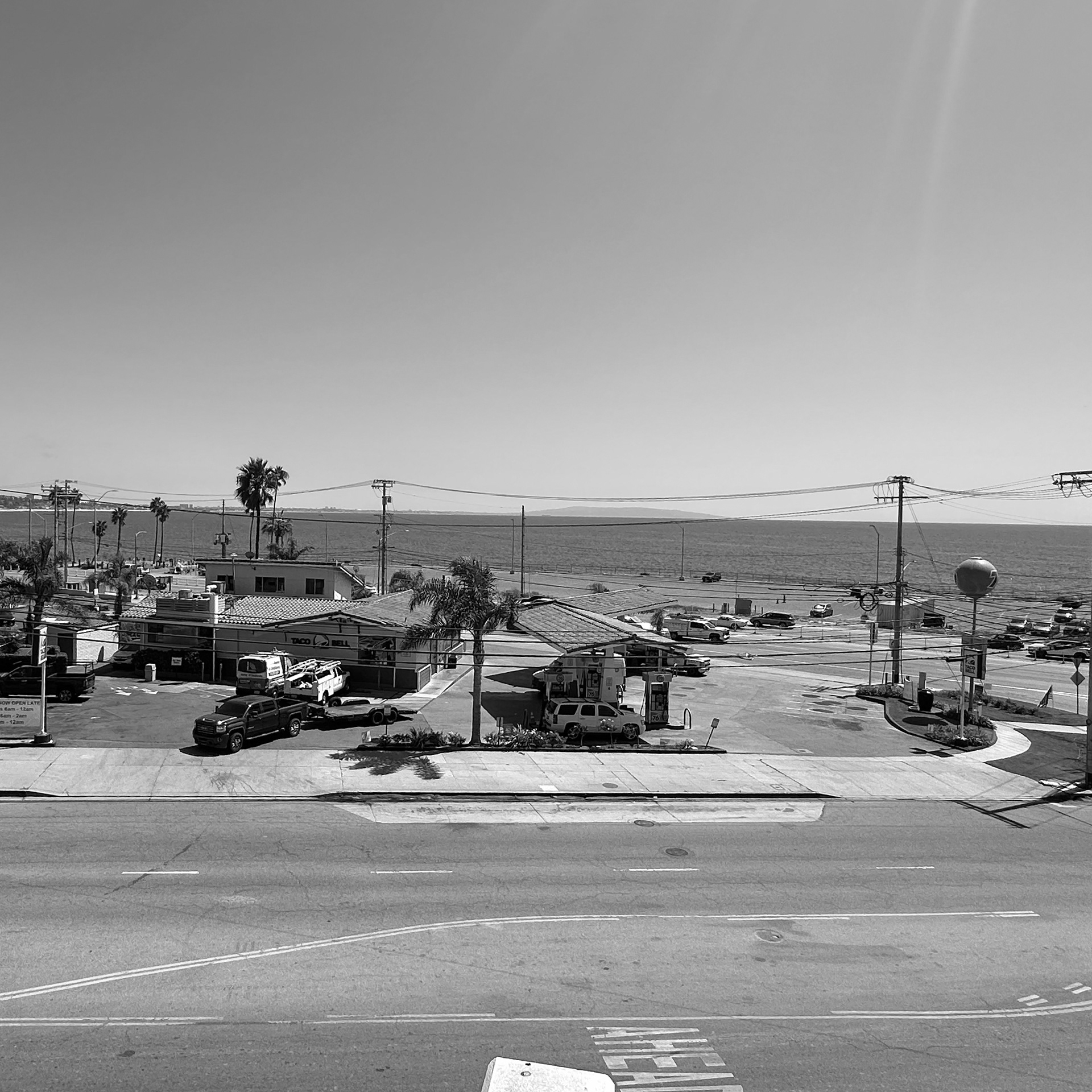
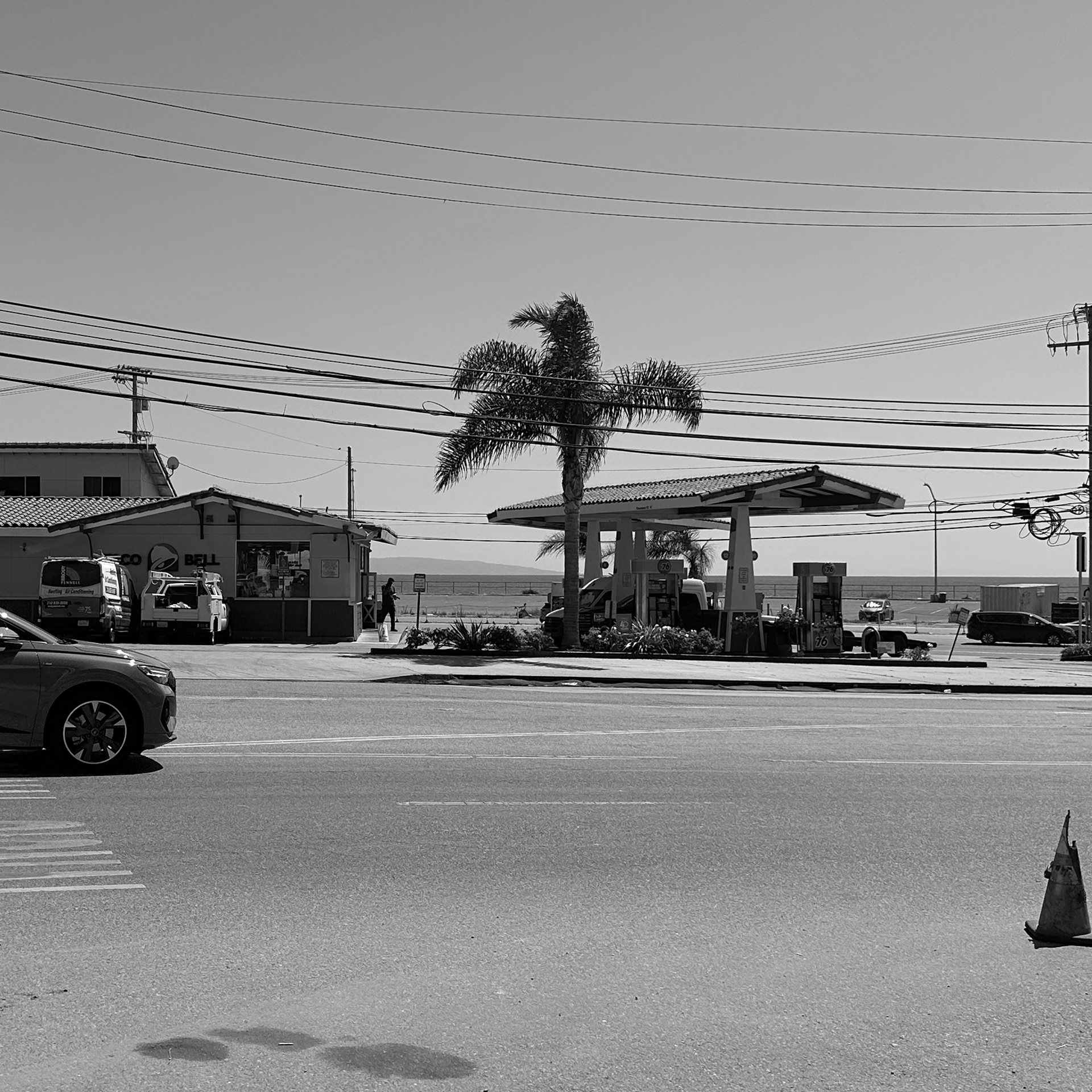
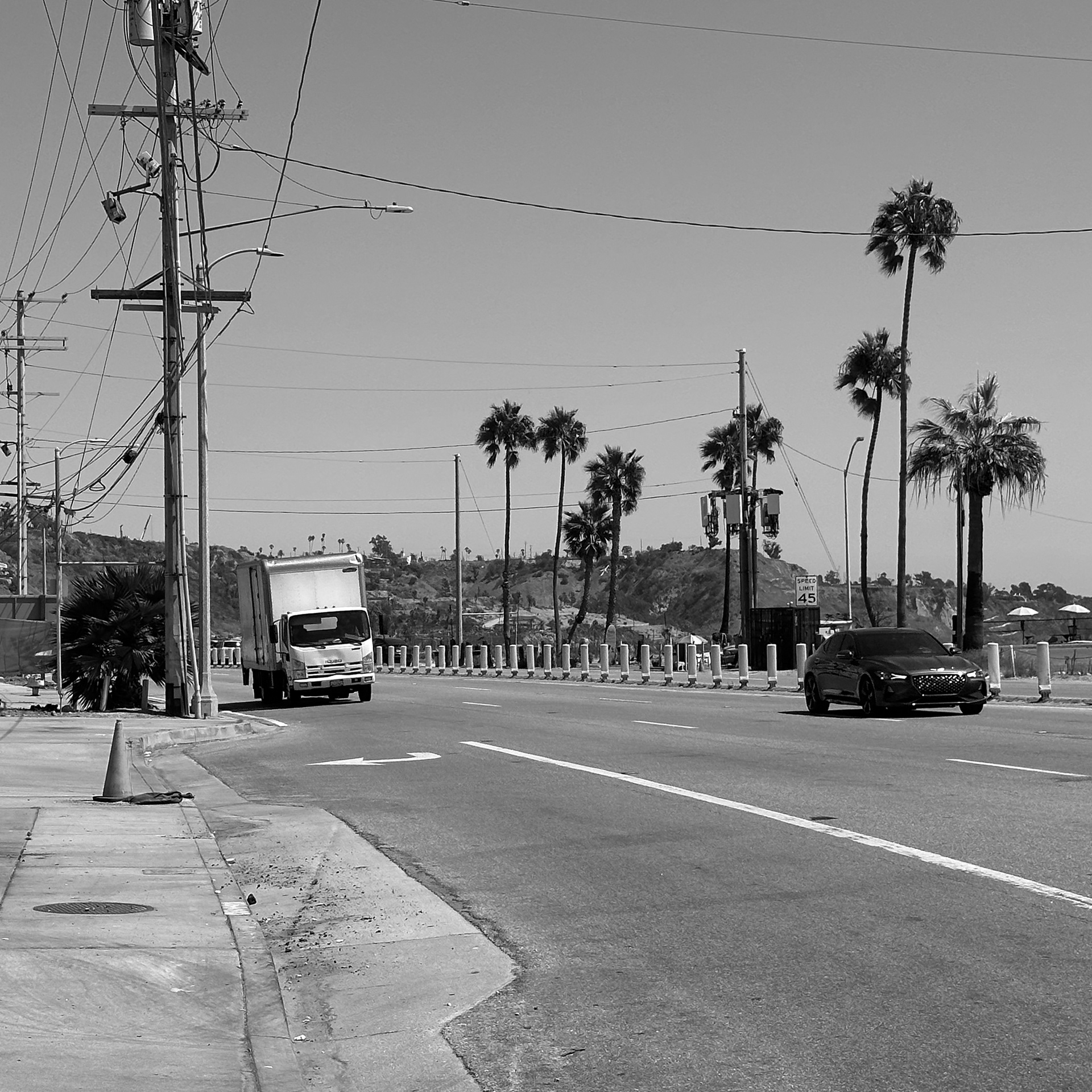
Located at the end of Sunset Boulevard, the site—formerly a highly frequented petroleum station—served as a critical evacuation corridor toward the coastline during the Palisades Fire. Remaining largely undamaged, the site presents an opportunity to support post-fire reflection and recovery through the organization of public space and collective gathering.
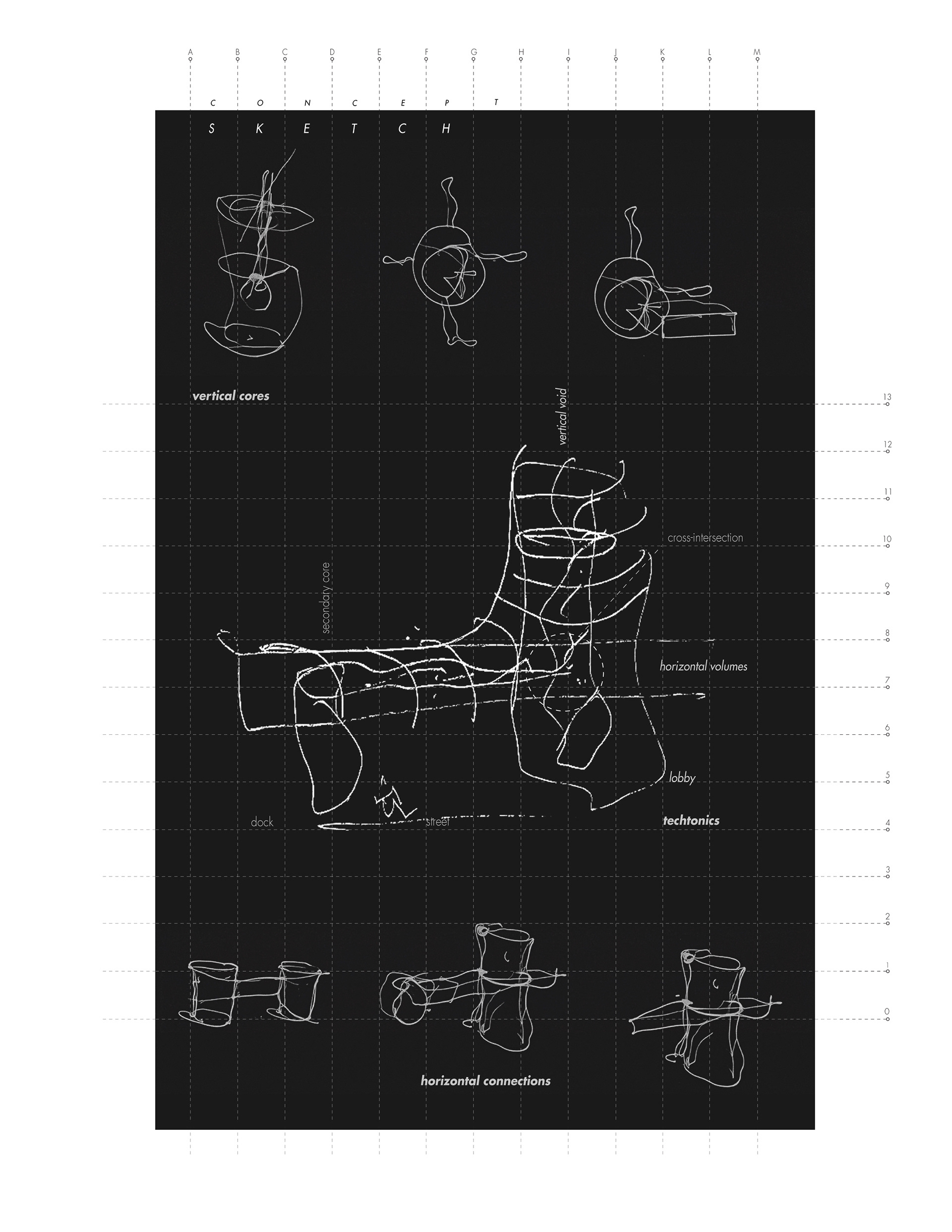
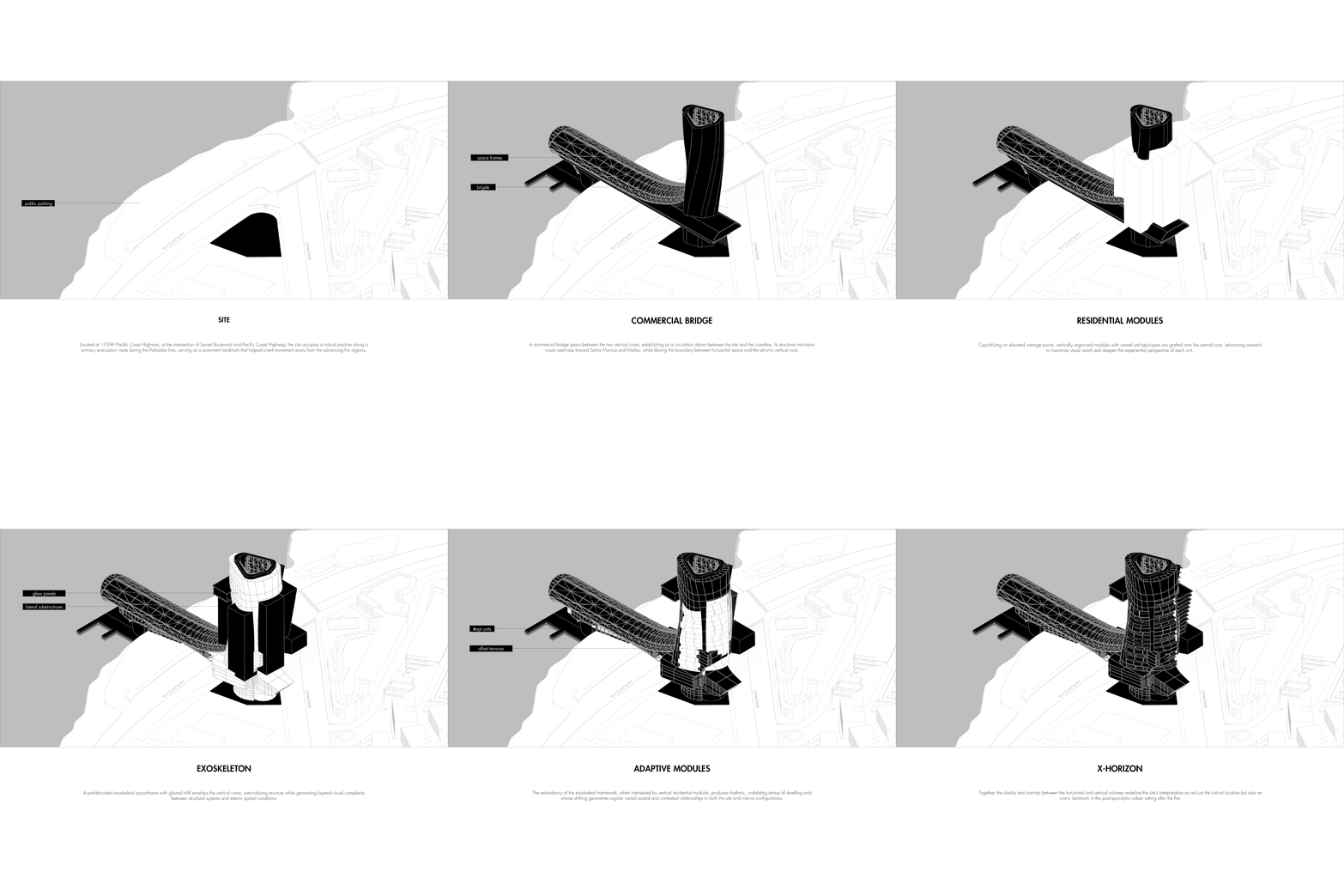
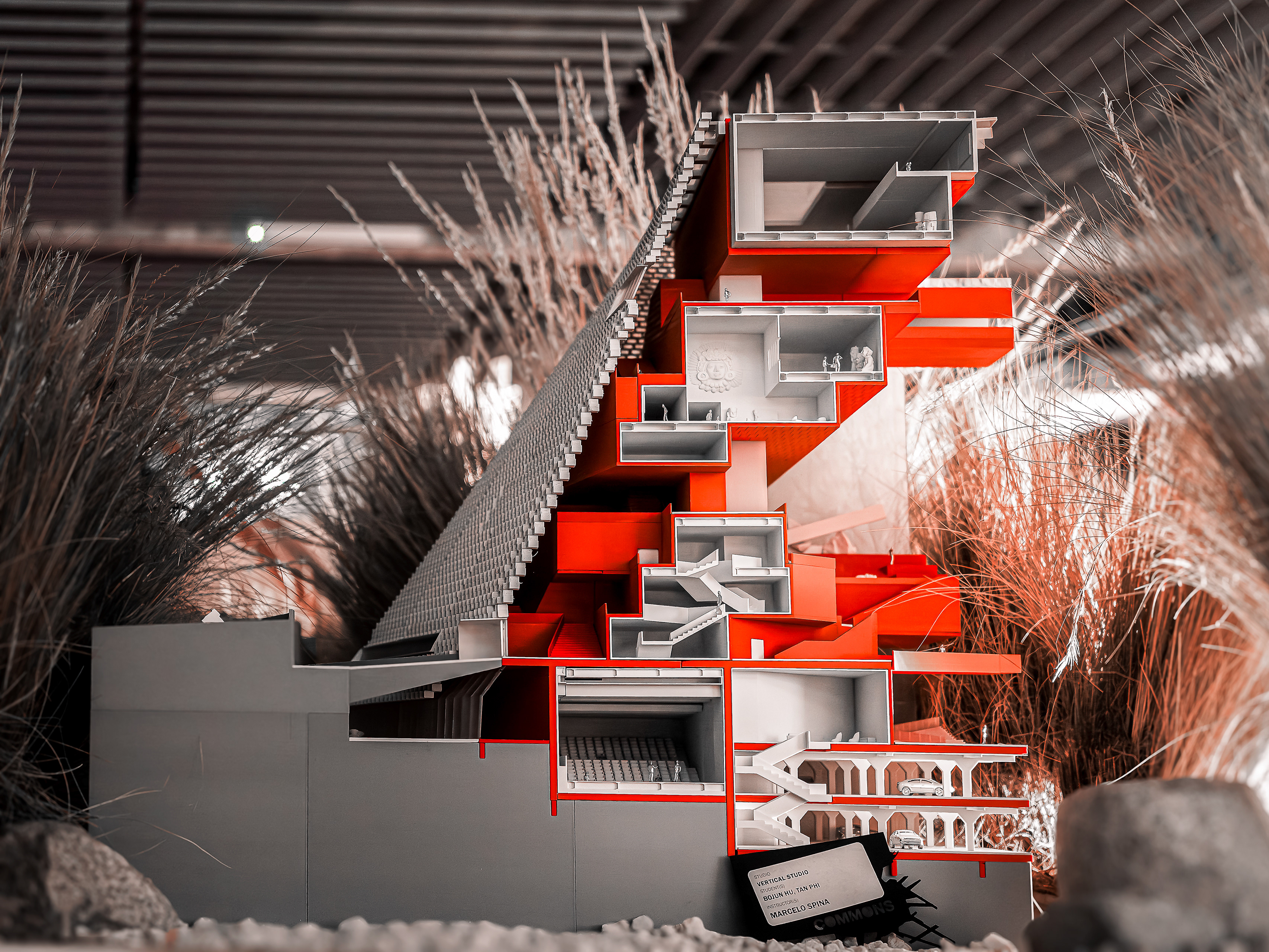
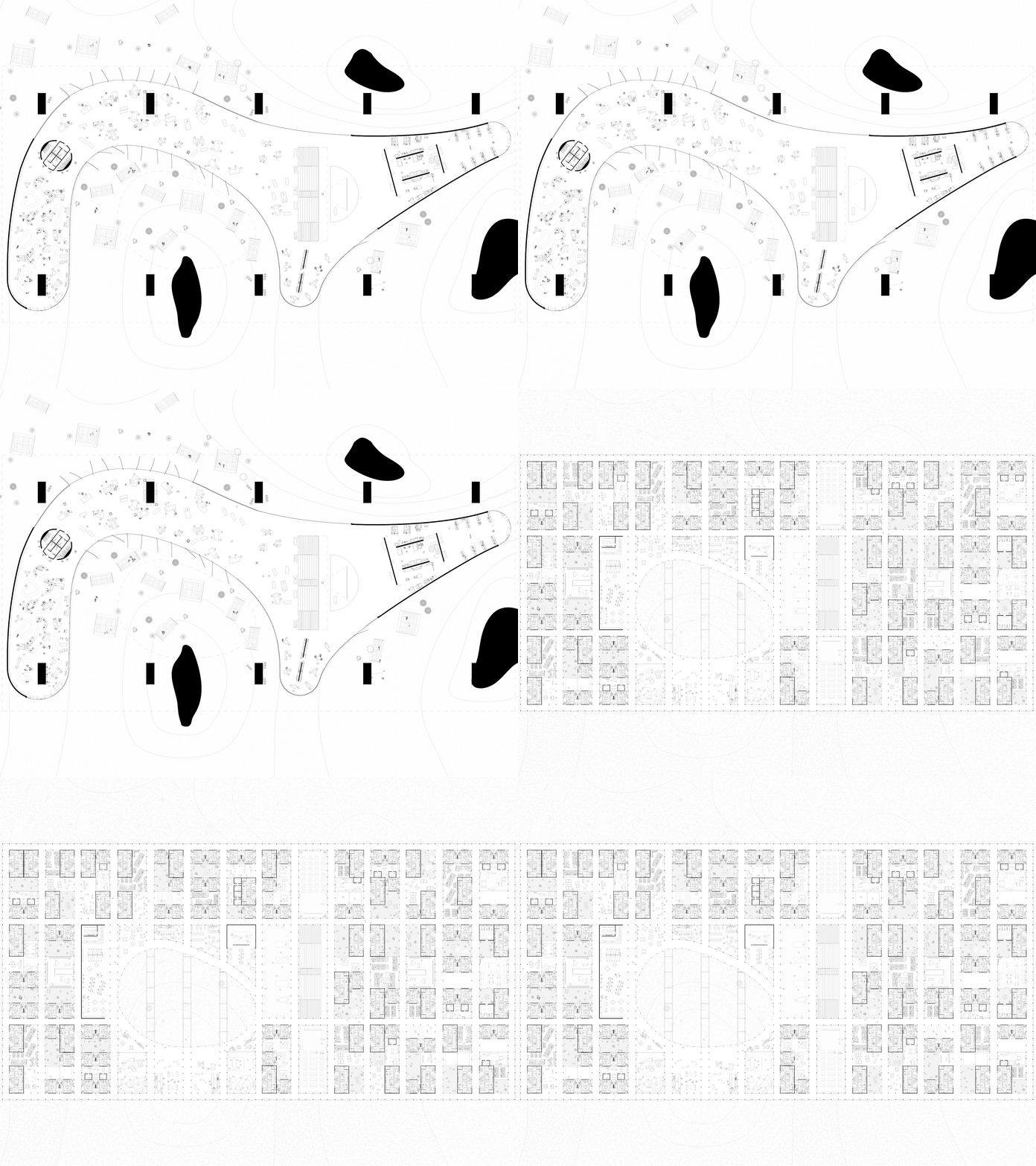
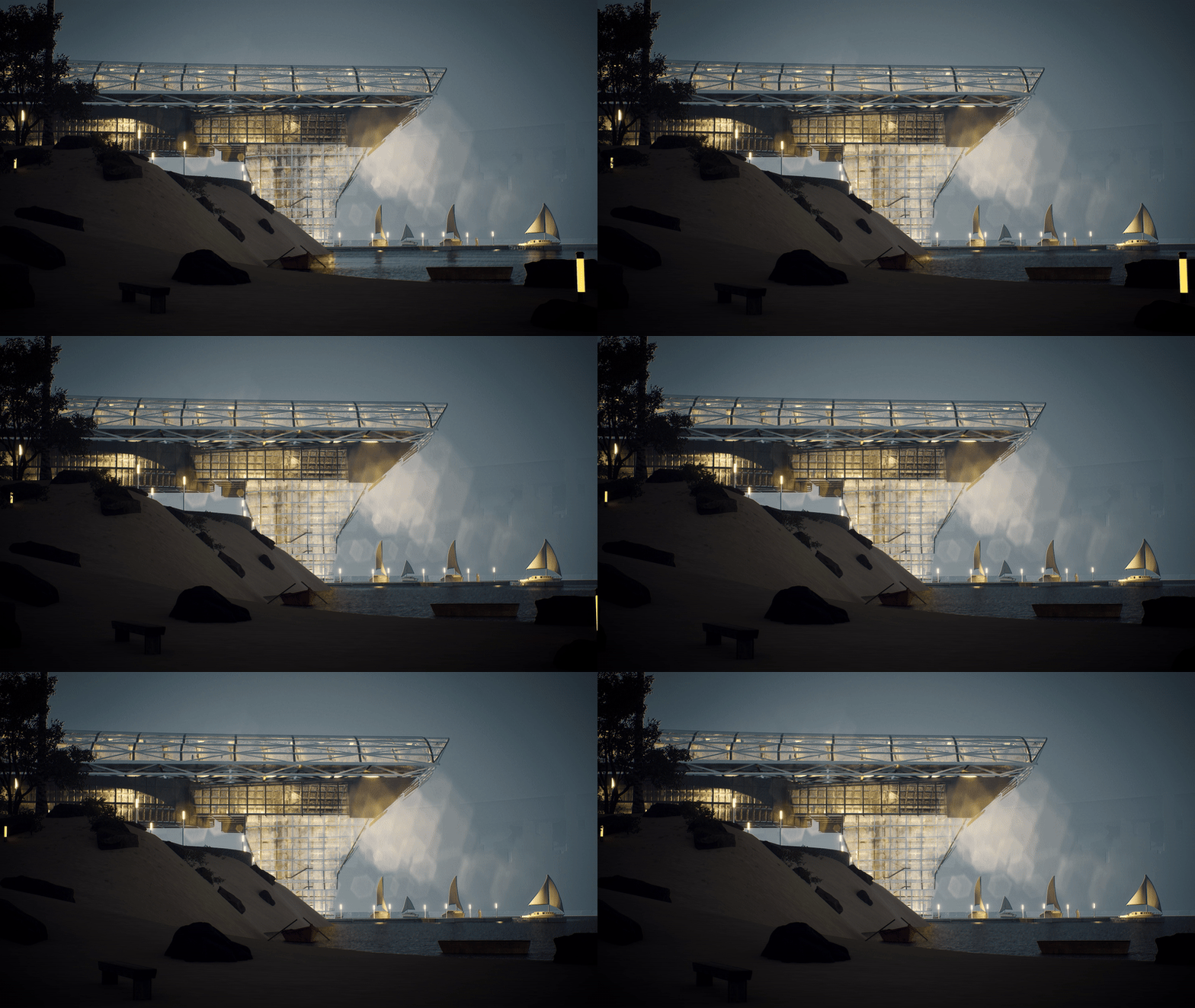
The concept begins with a commercial bridge that functions as a buffer zone linking the private residential tower across the Pacific Coast Highway to the shared public oceanfront. Defined by an open skeletal roof supported by a space-frame system and steel substructure, the bridge creates a continuous, unobstructed volume that supports active commercial programs and social amenities. At its intersection with the tower, the bridge bends and integrates into the central atrium, connecting horizontal circulation with the atrium’s vertical void and establishing a sequential experience from public to commercial to private residential uses.
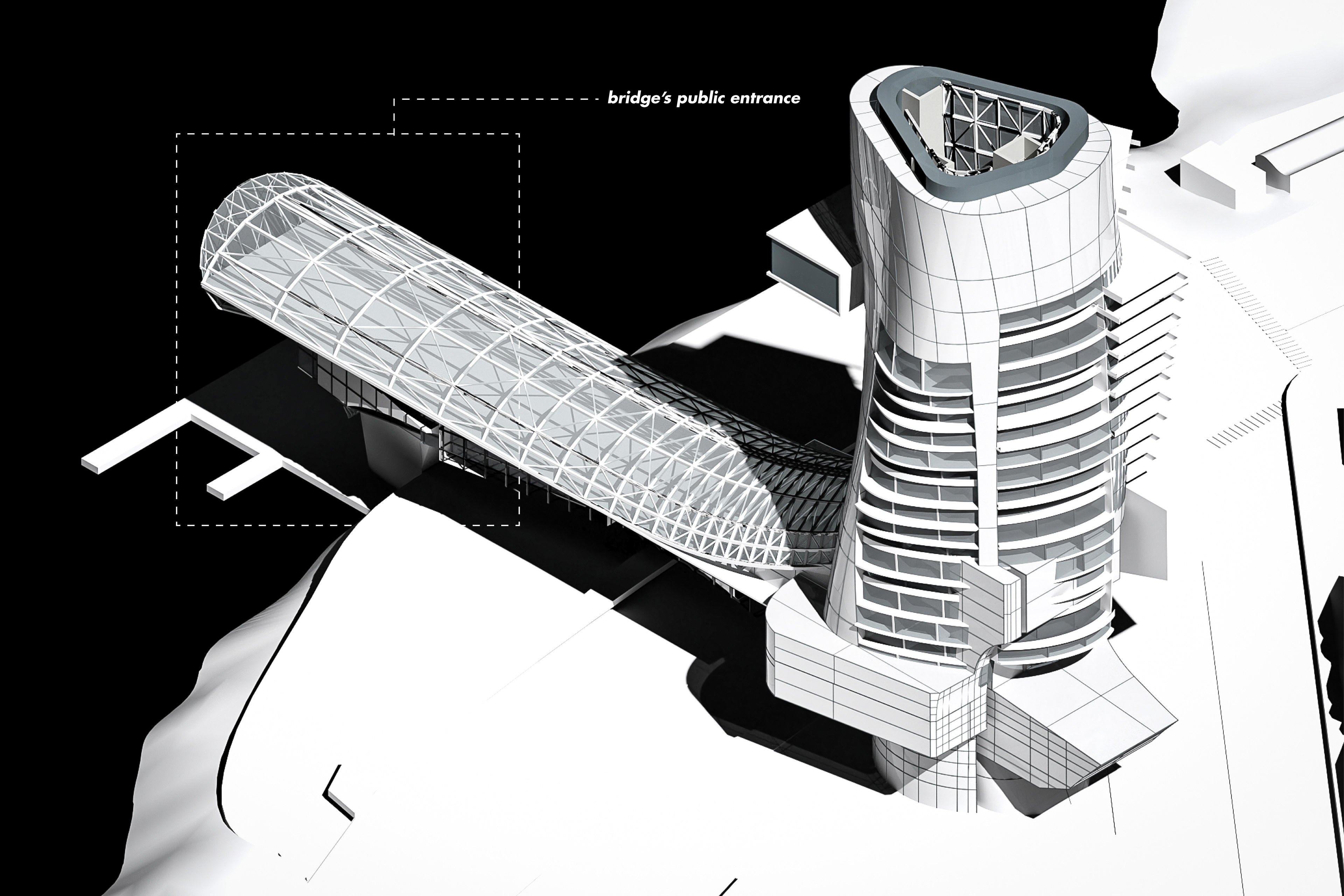
Extending from the oceanfront, the bridge links the dock and public parking to the high-rise tower. An
open-roofed structure forms a semi-private venue for social gathering and pedestrians above, while the lower level accommodates cafés, restaurants, and retail, creating a layered sequence that balances
privacy, activation, and visual openness.
open-roofed structure forms a semi-private venue for social gathering and pedestrians above, while the lower level accommodates cafés, restaurants, and retail, creating a layered sequence that balances
privacy, activation, and visual openness.
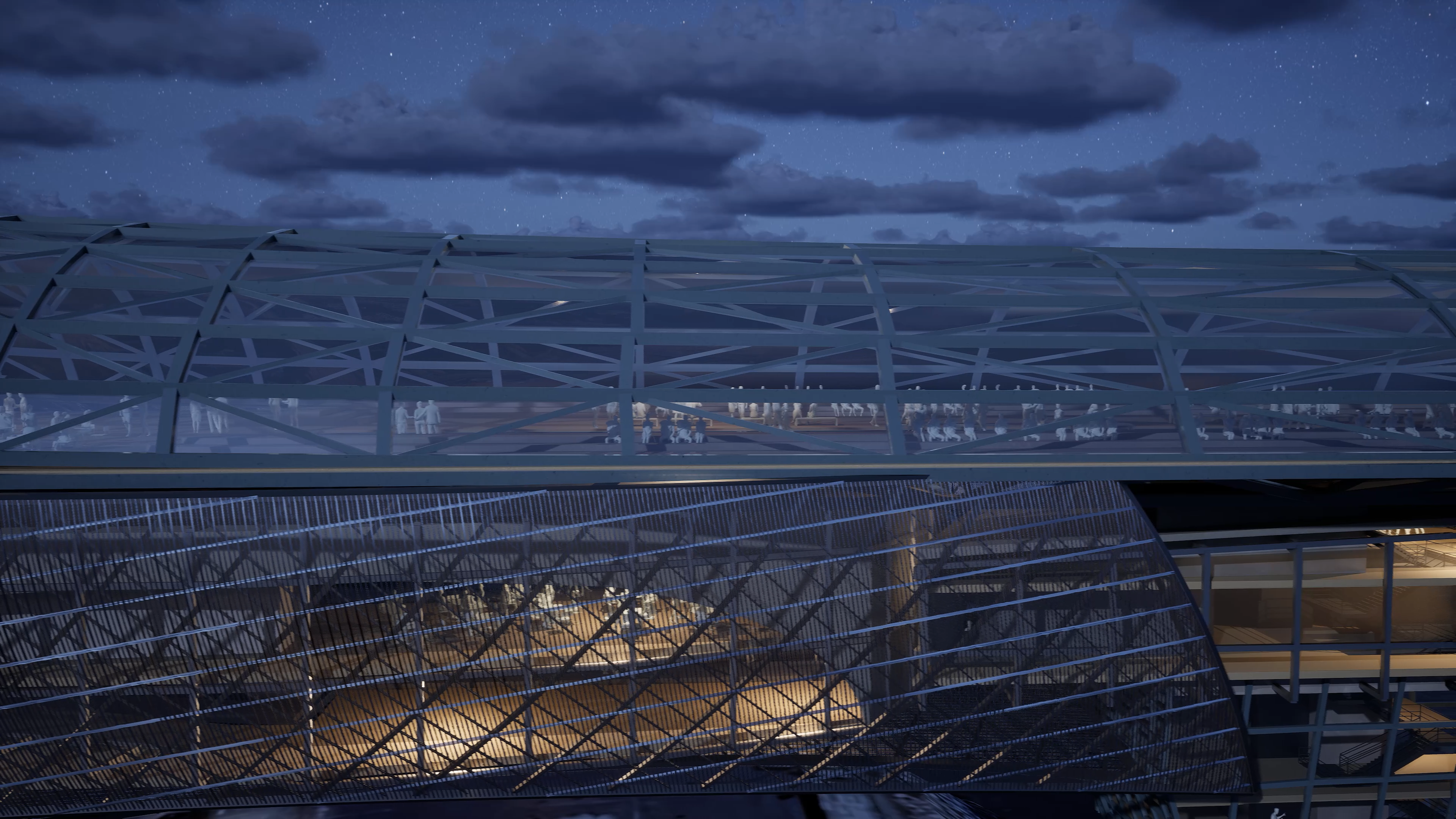
Digital collages reveal the bridge’s layered interiors and structural framework across two levels, each defined by distinct functions. The open-roof upper plane operates as a social and retail landscape, while the lower level forms a collective interior accommodating restaurants, cafés, and commercial programs.
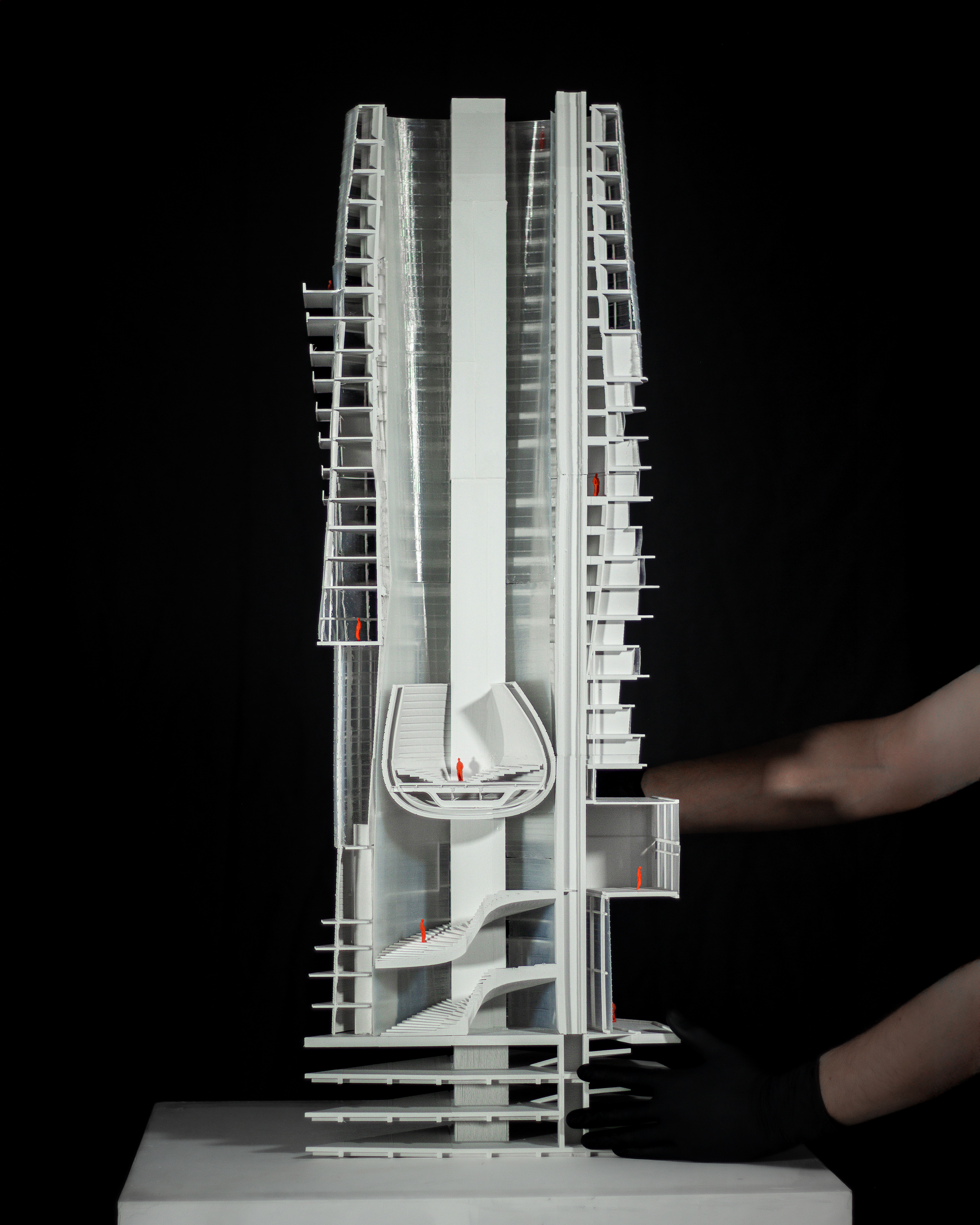
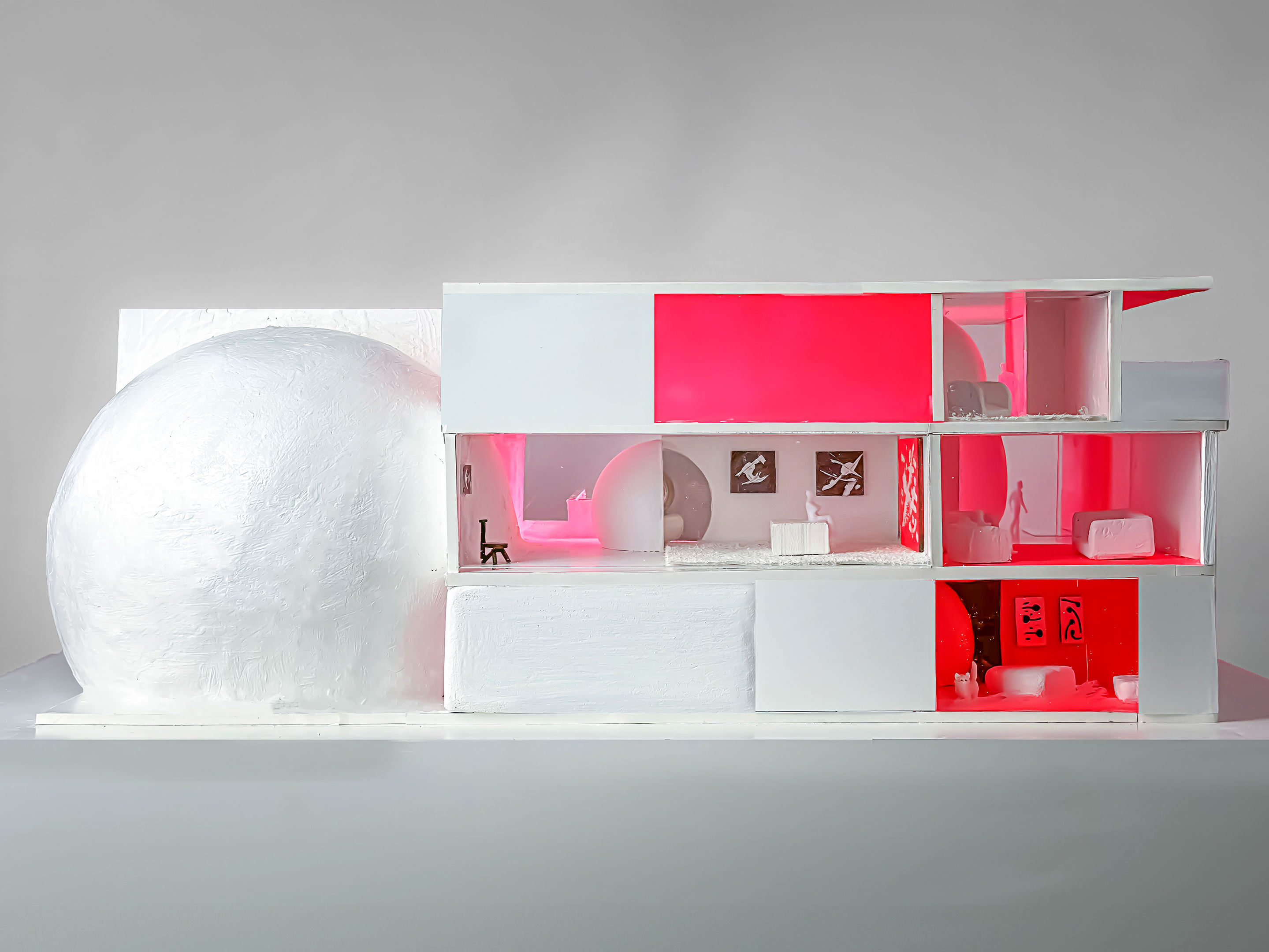
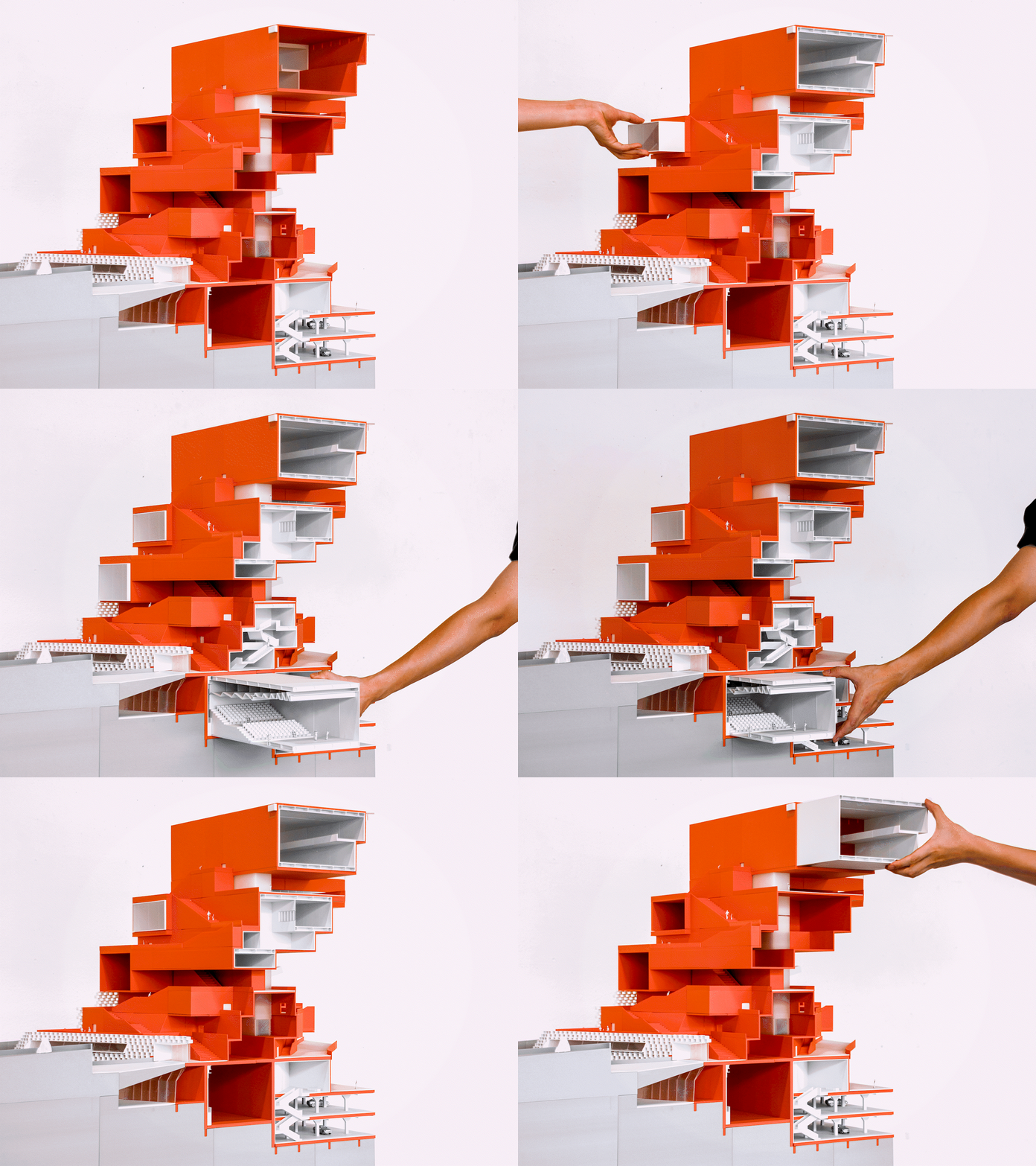
Section Model: showing the relationship between the atrium, modular units, and connected spaces.
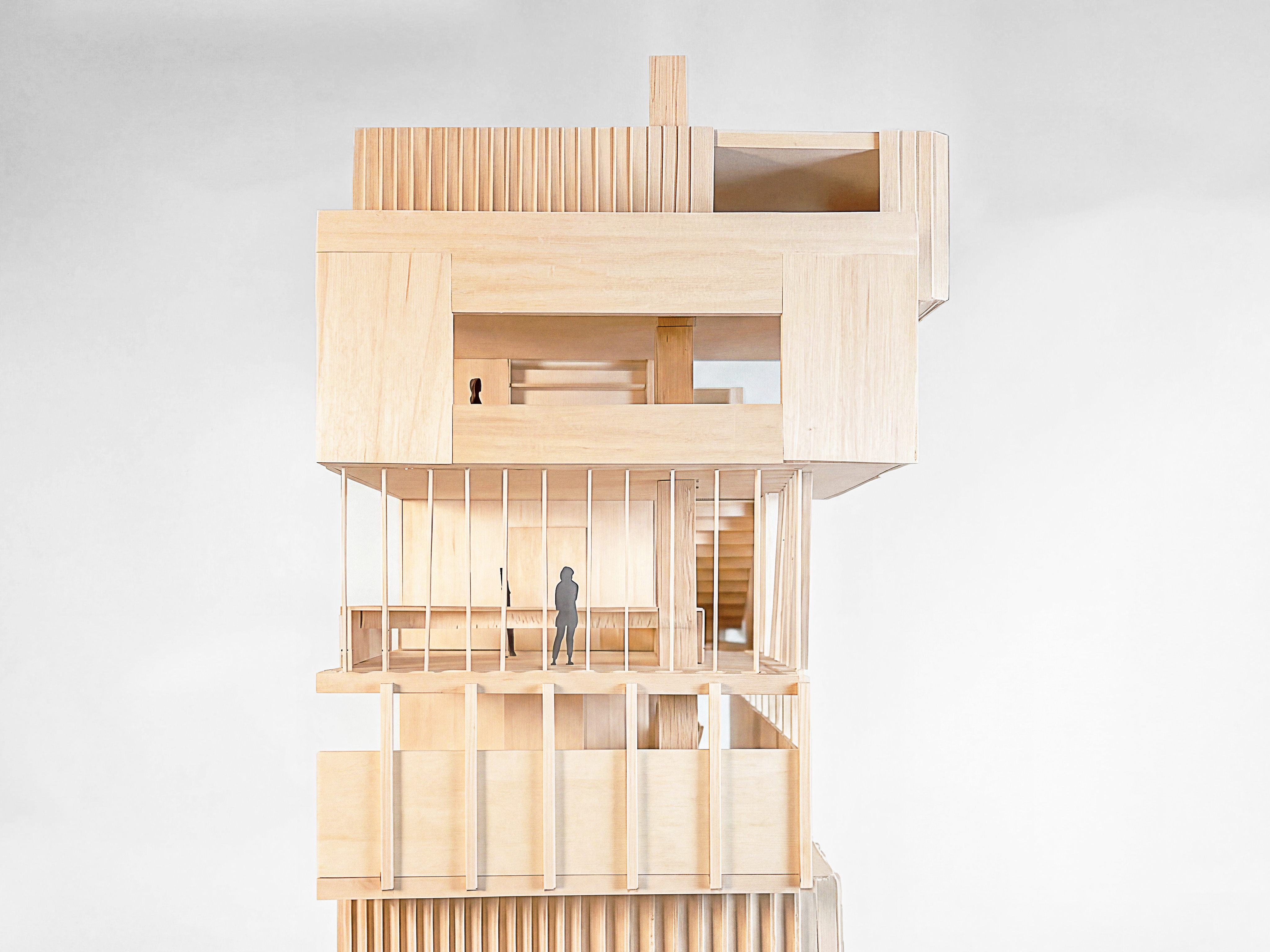
The residential tower is composed of stacked residential modules organized around a central vertical atrium. These modules are articulated and layered through repeated intersections with an exoskeletal structural system, generating a rhythmic vertical expression and a range of unit configurations. This tectonic strategy produces undulating profiles and offset terraces, allowing inhabitation across the tower’s elevation. Each unit is oriented to frame views toward the Palisades, positioning the act of dwelling as a spatial reflection in the post-disaster landscape.
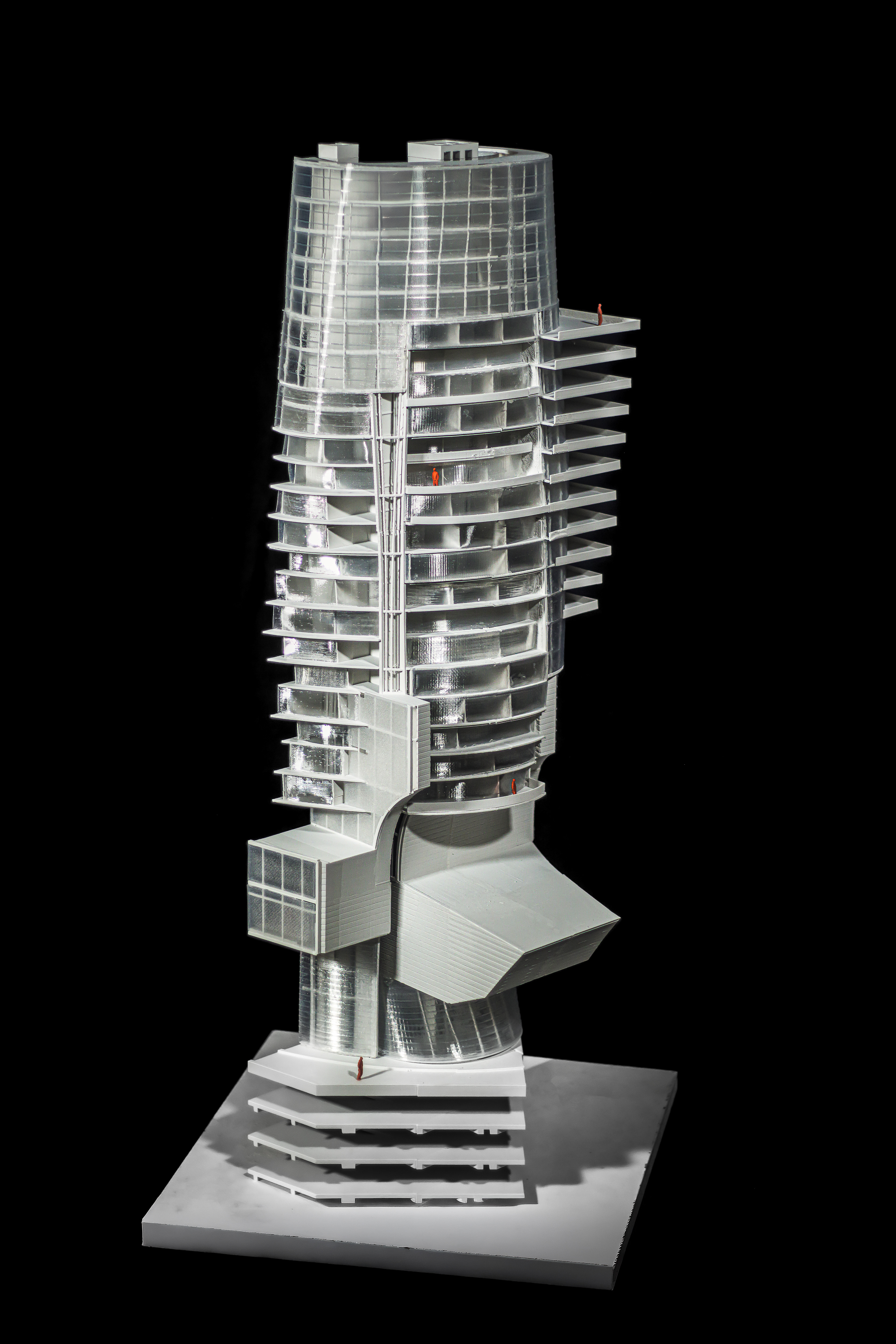
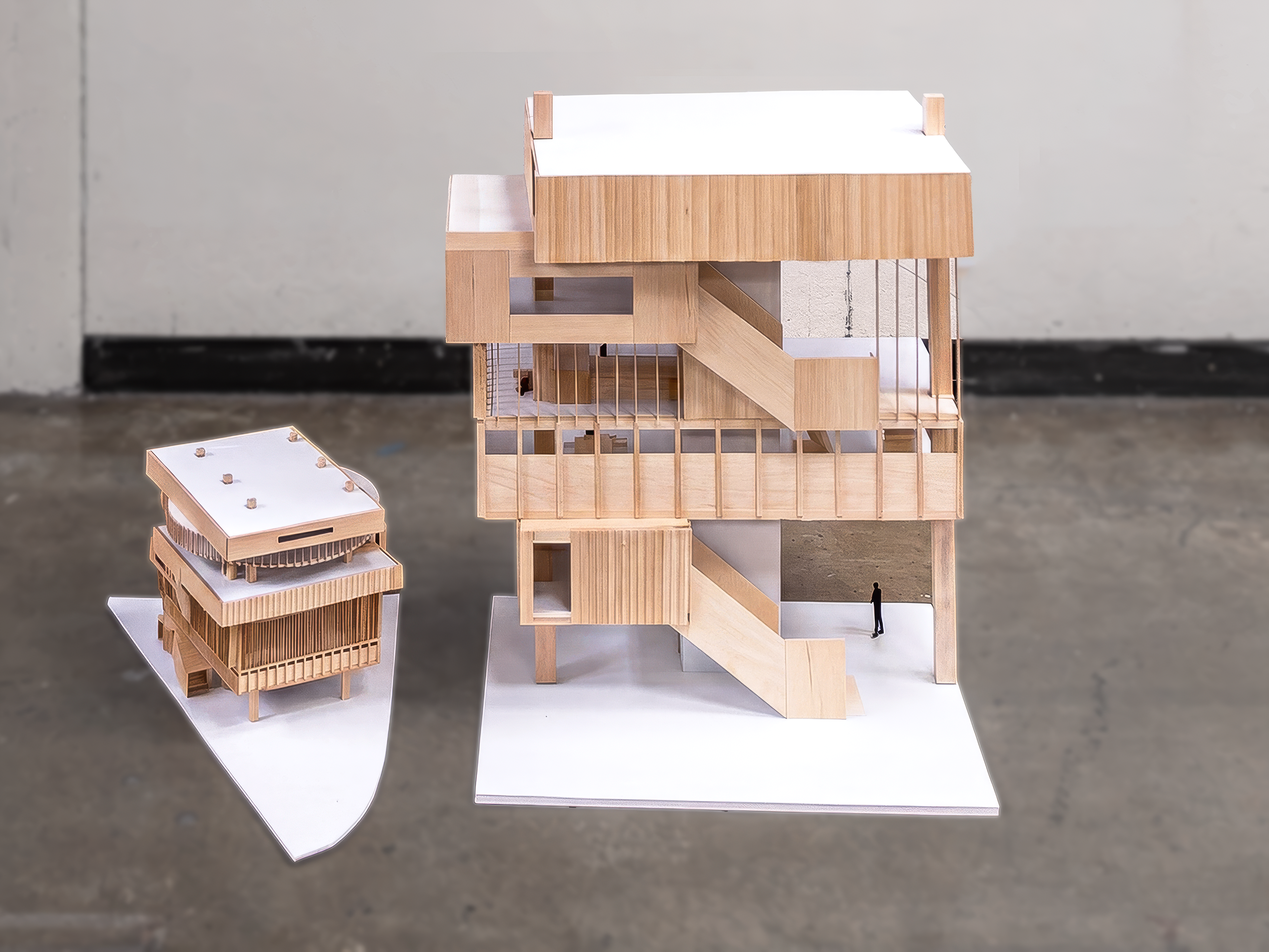
street-facing facade elevation, showing the co-relationship between residential units and their terraces
Detailed Section Model revealing the layered spatial organization and structural composition that define the relationship between residential units and their terraces, shaping the building’s exterior expression, programmatic performance, and opportunities for social interaction.
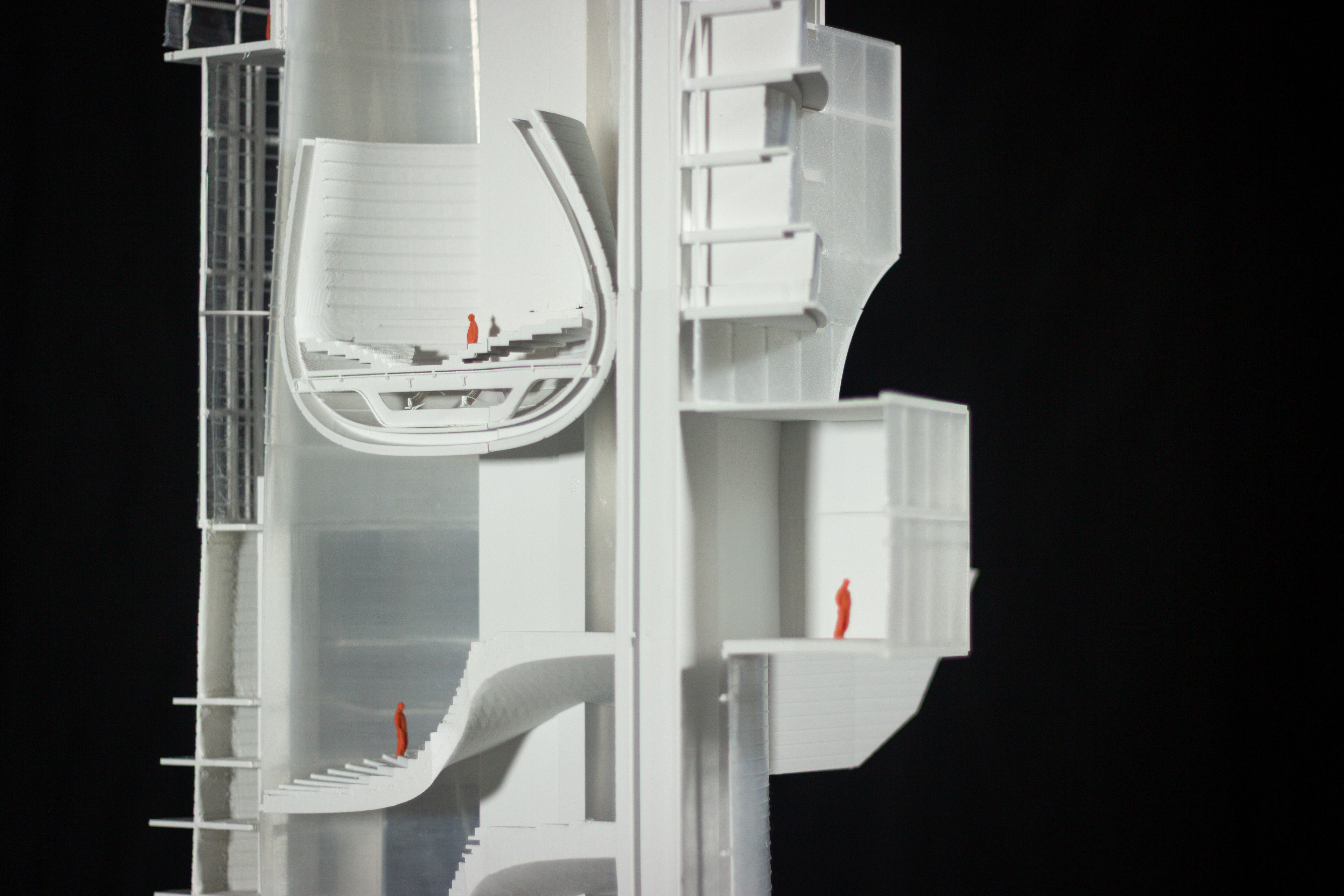
Zoom-in Detail: Cross-intersection
A zoomed-in detail reveals the layered spatial organization, connected spaces, and structural composition at the
intersection of the bridge’s horizontal volume and the tower’s central atrium. At this convergence, the central theater emerges as a pivotal core space—an architectural moment of pause, transition, and collective gathering that mediates movement, structure, and social exchange.
intersection of the bridge’s horizontal volume and the tower’s central atrium. At this convergence, the central theater emerges as a pivotal core space—an architectural moment of pause, transition, and collective gathering that mediates movement, structure, and social exchange.
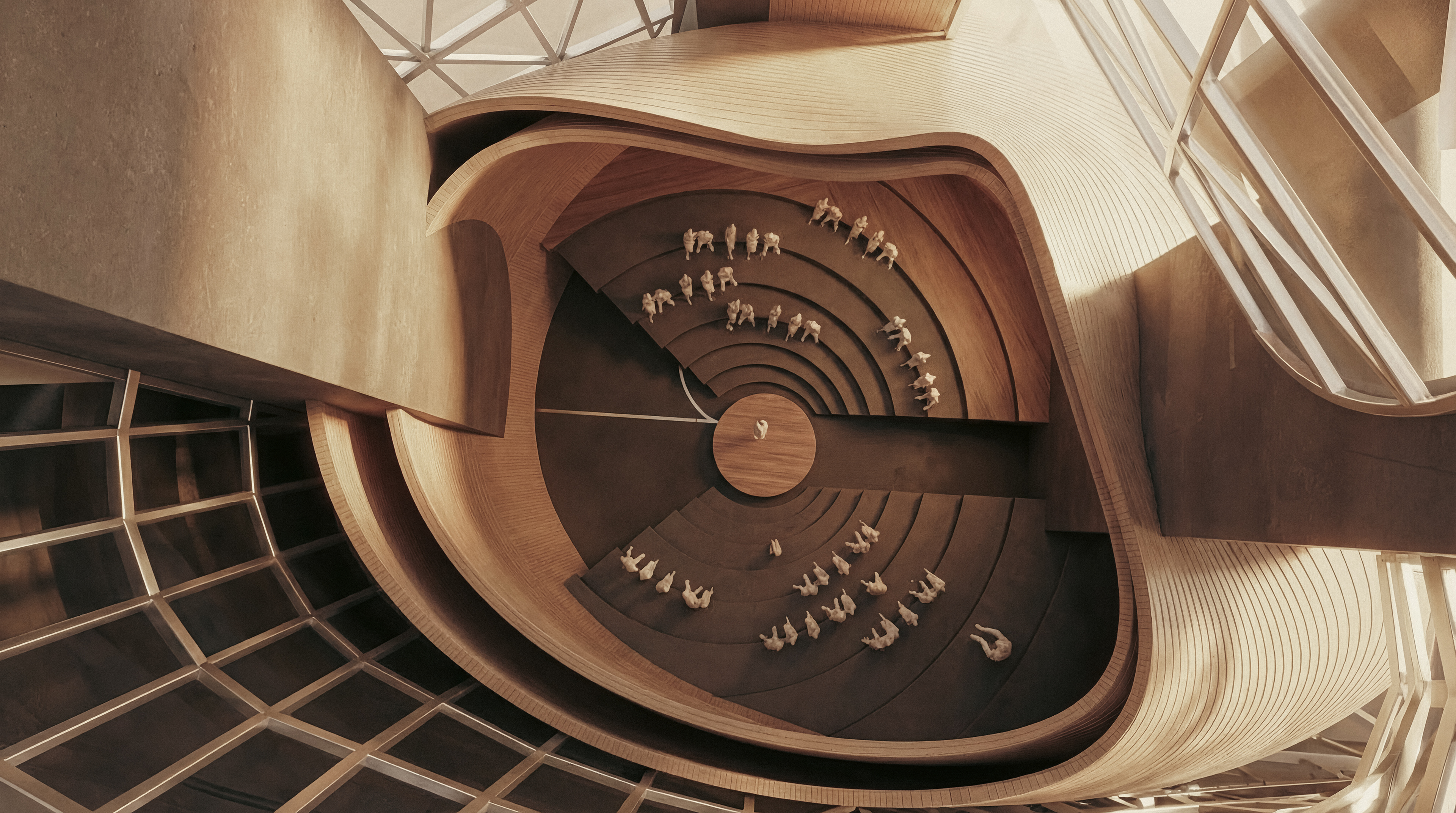
The central theater anchors the building’s core at the intersection of the bridge and high-rise tower. Serving residents and the public, it hosts gatherings and ceremonies, while filtered light from the atrium creates an enclosed,
contemplative atmosphere that emphasizes civic presence, intimacy, and collective healing.
contemplative atmosphere that emphasizes civic presence, intimacy, and collective healing.
Together, the deliberate contrast between the project’s horizontal and vertical volumes redefines the site beyond its role as a critical location of passage and response. Through the interplay of bridge and tower, the architecture establishes a new spatial identity that transforms the site into an iconic landmark within the post-disaster urban landscape.