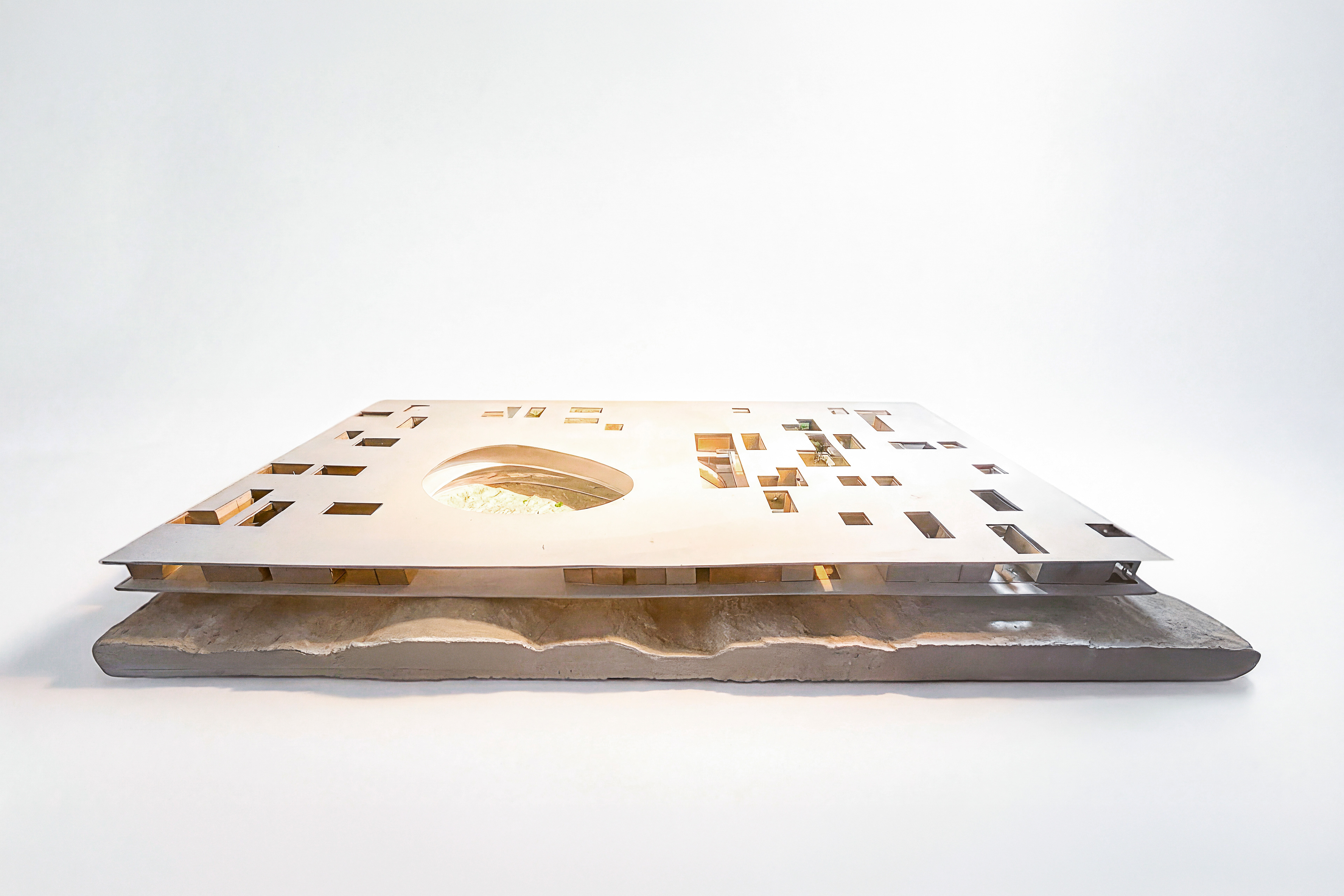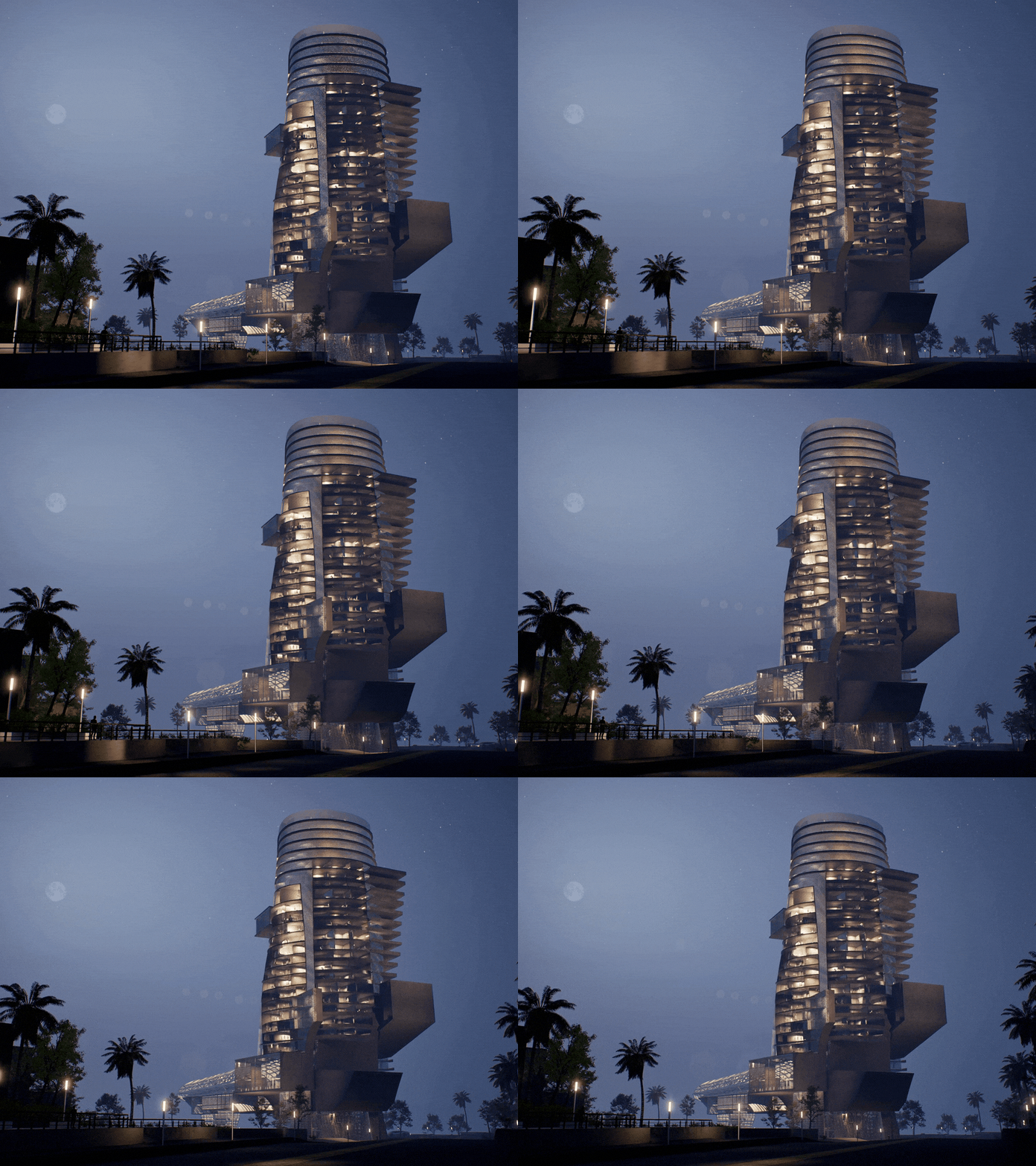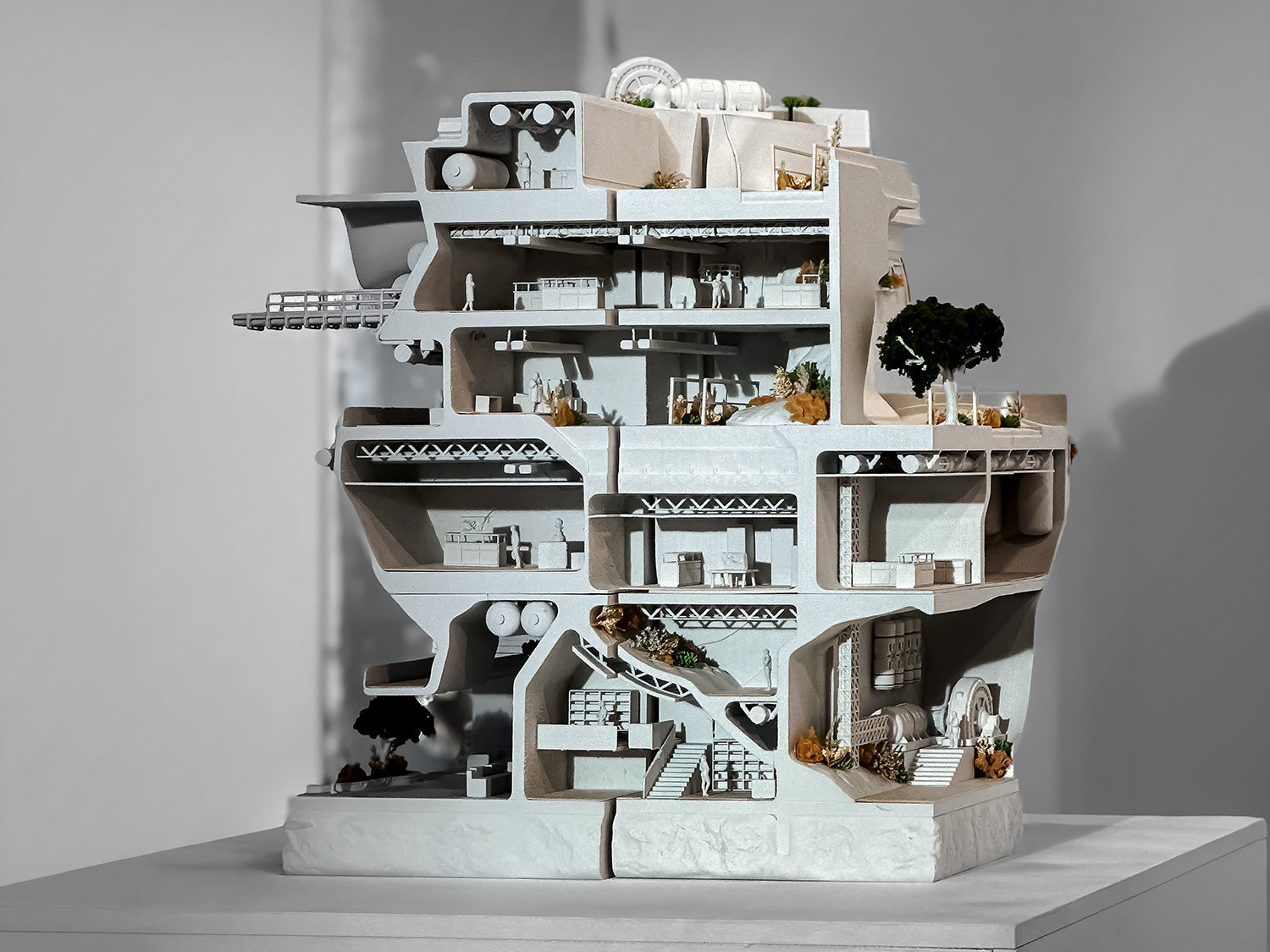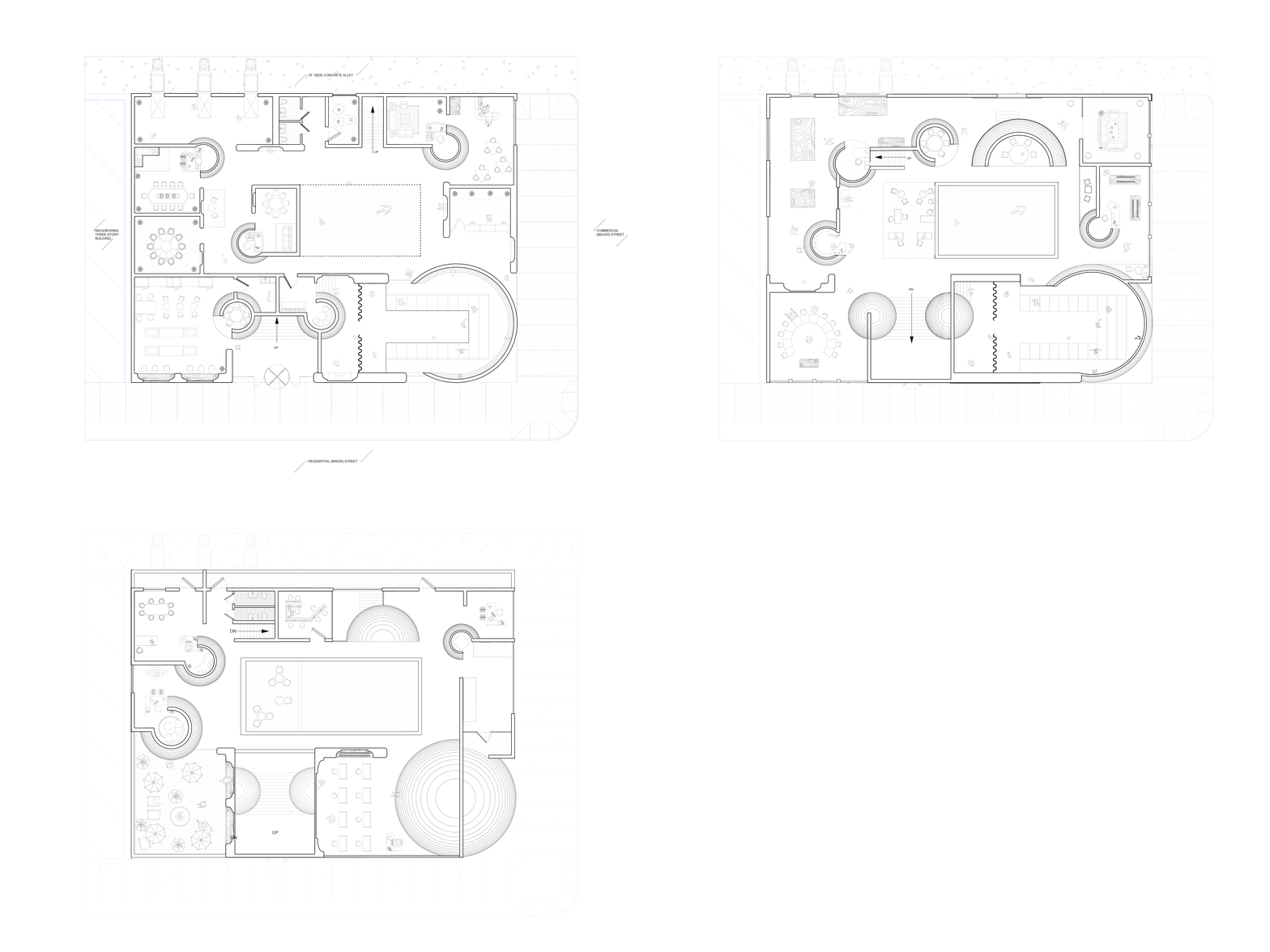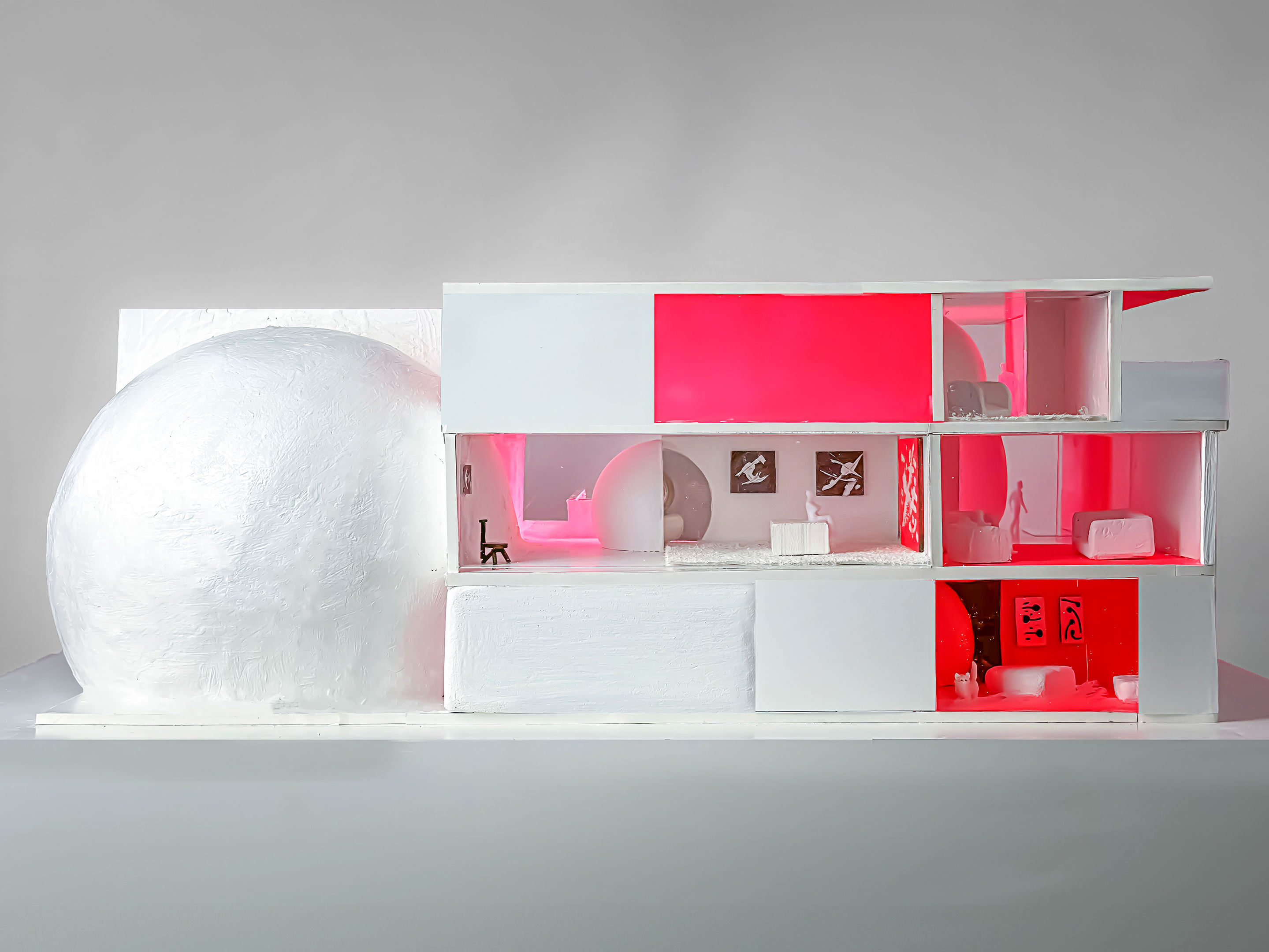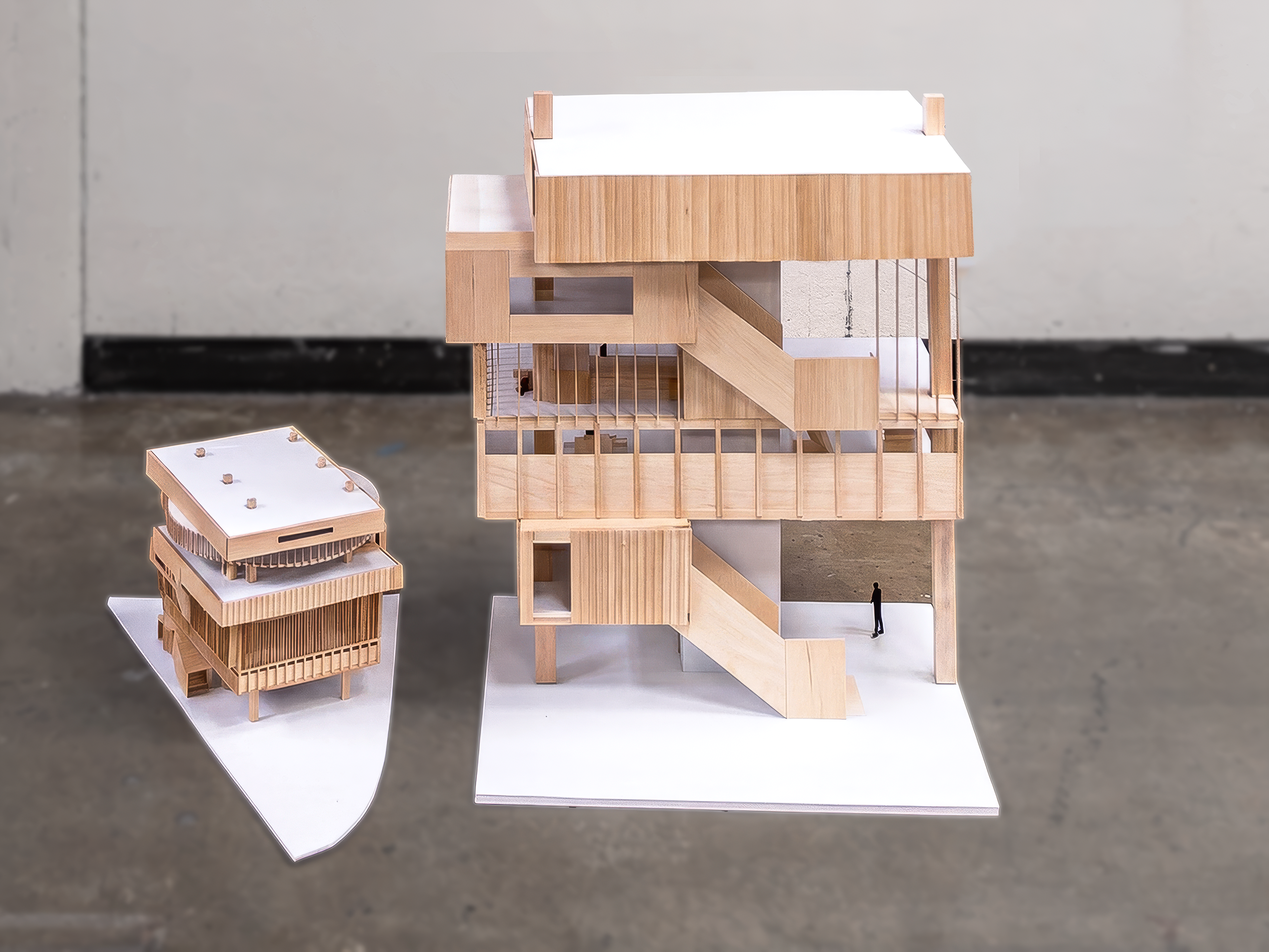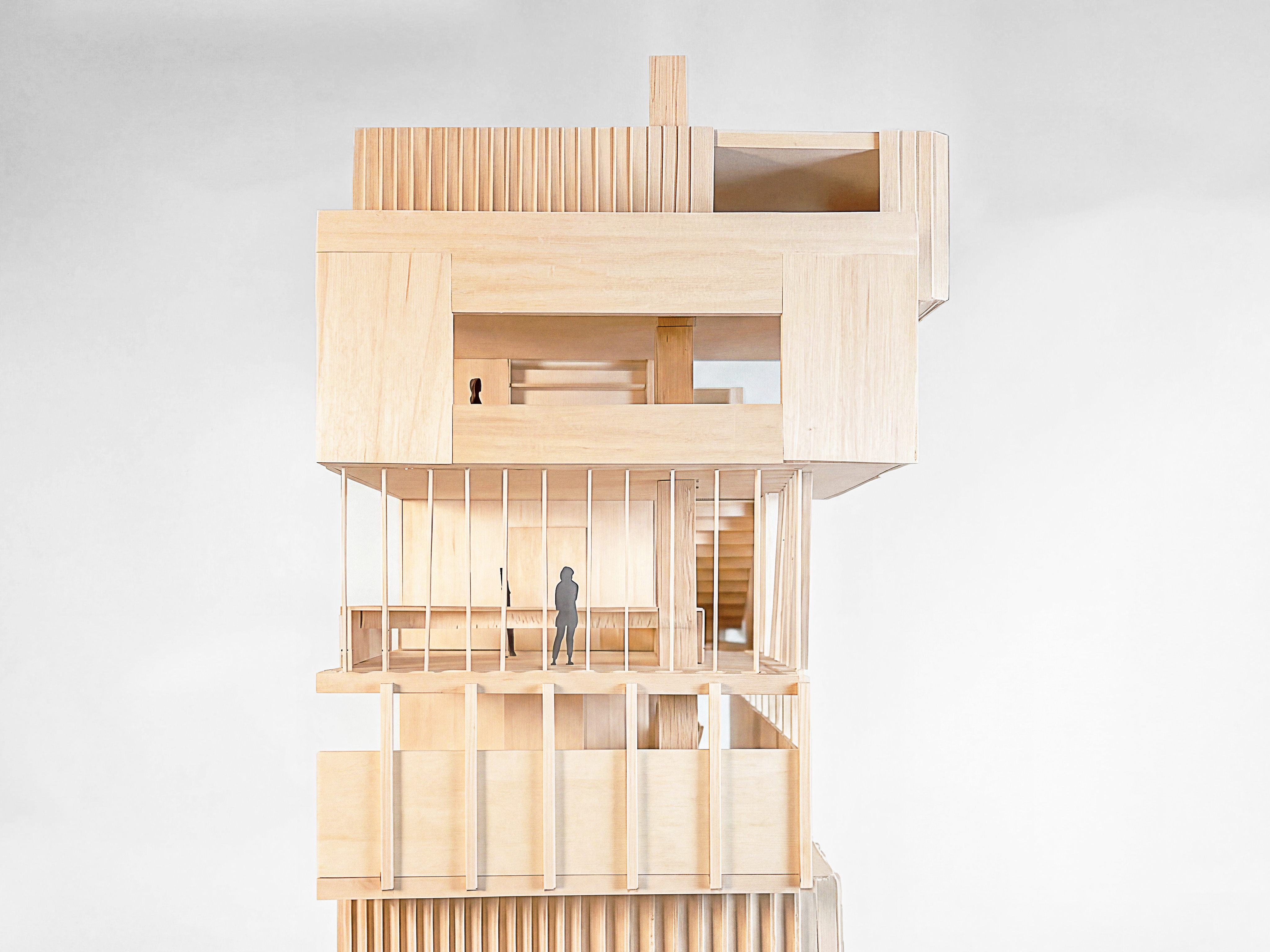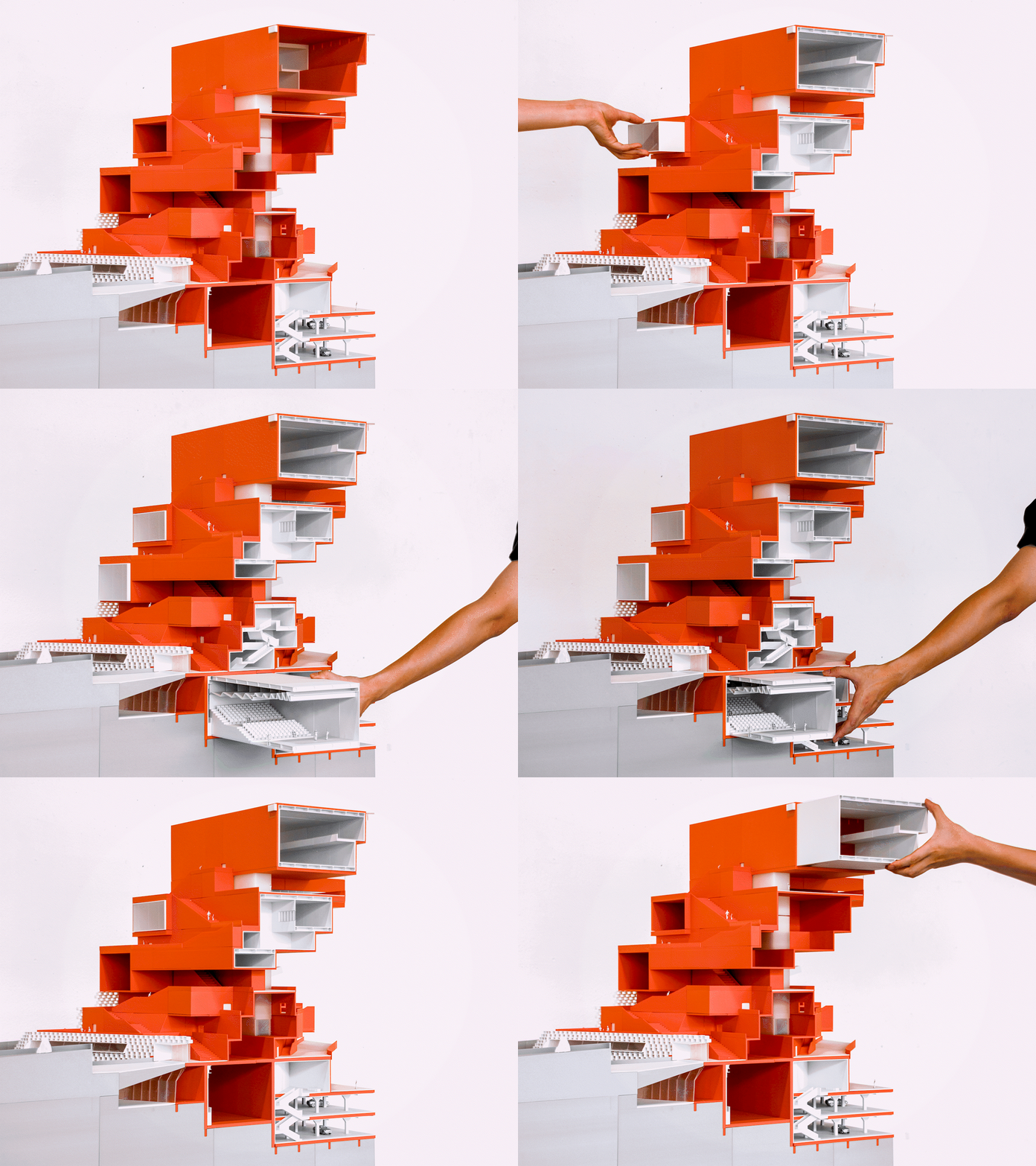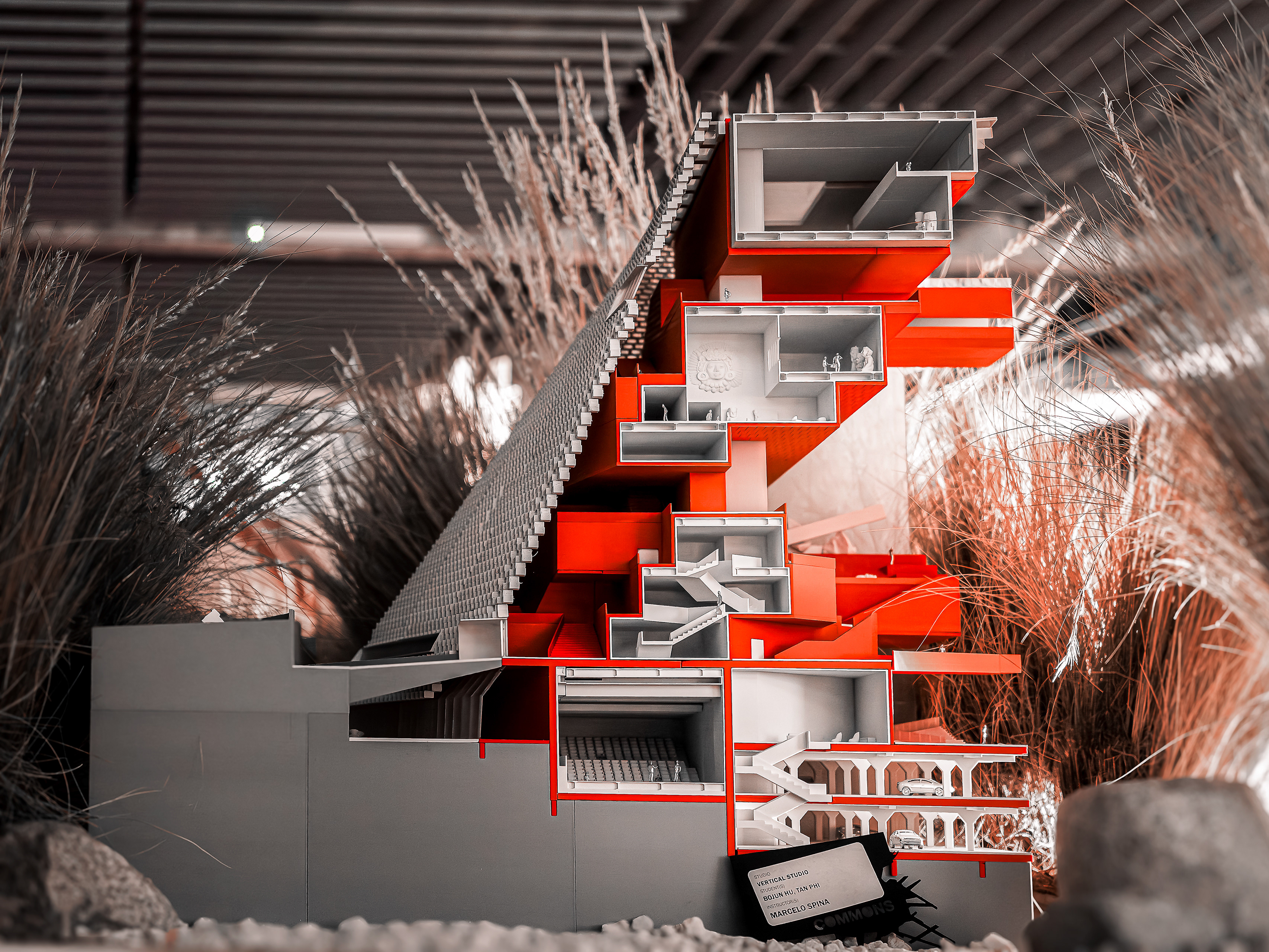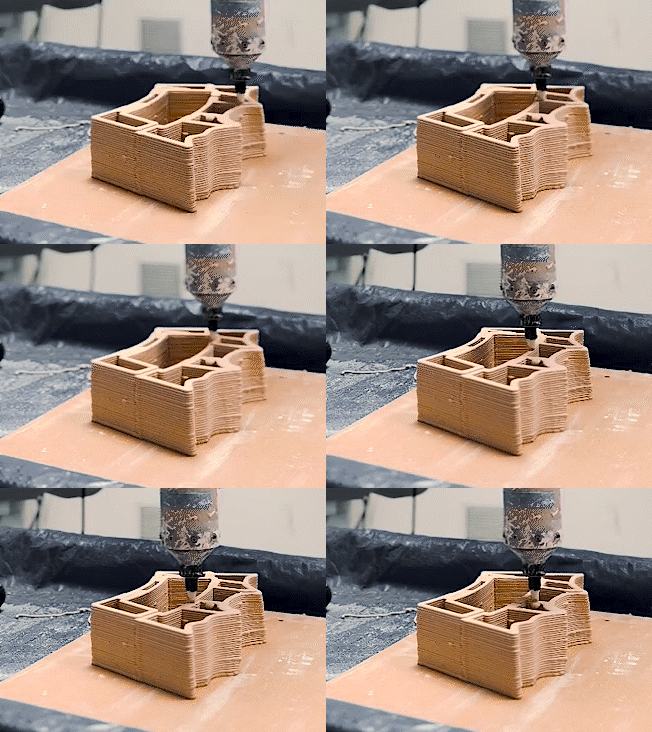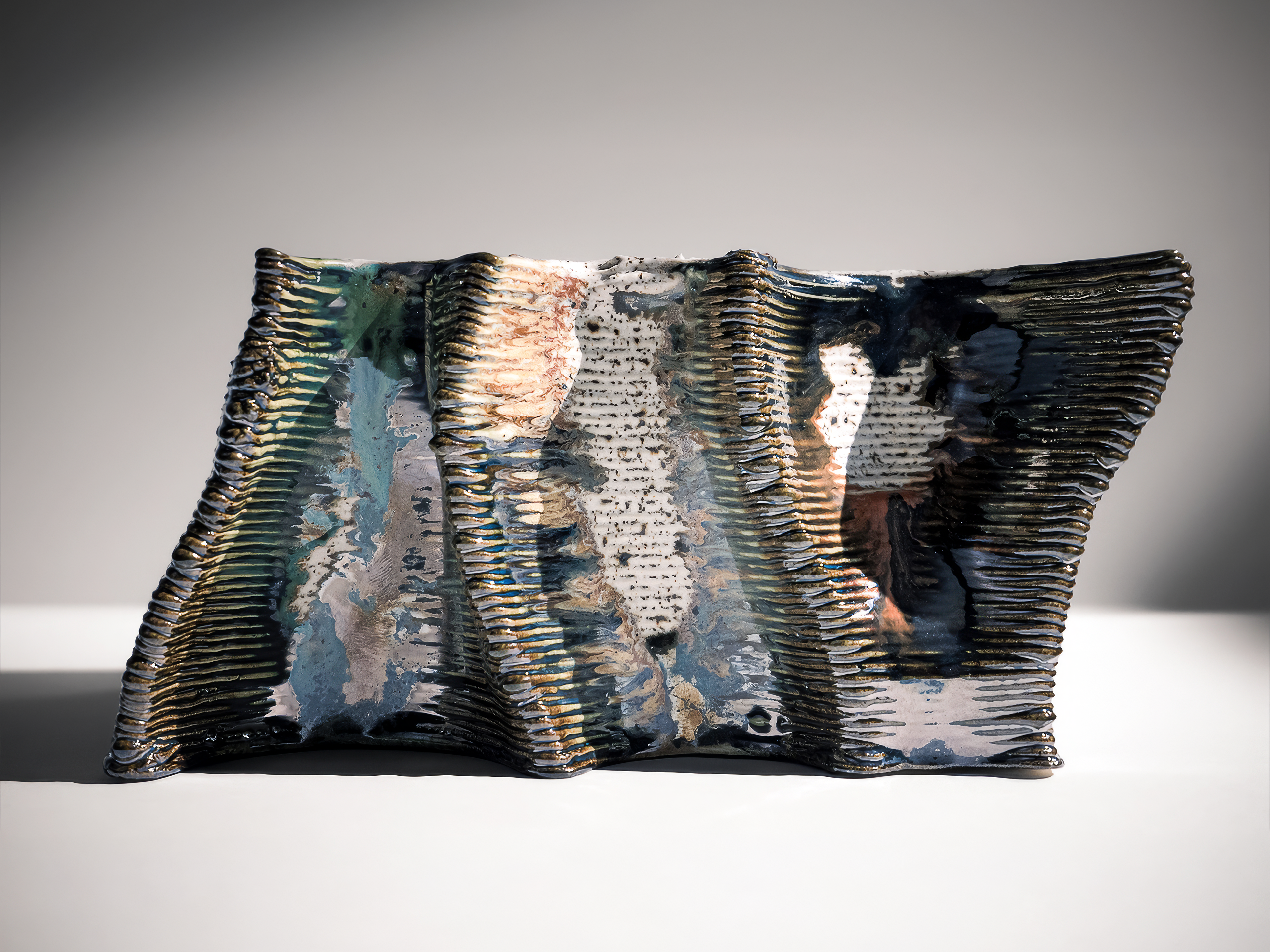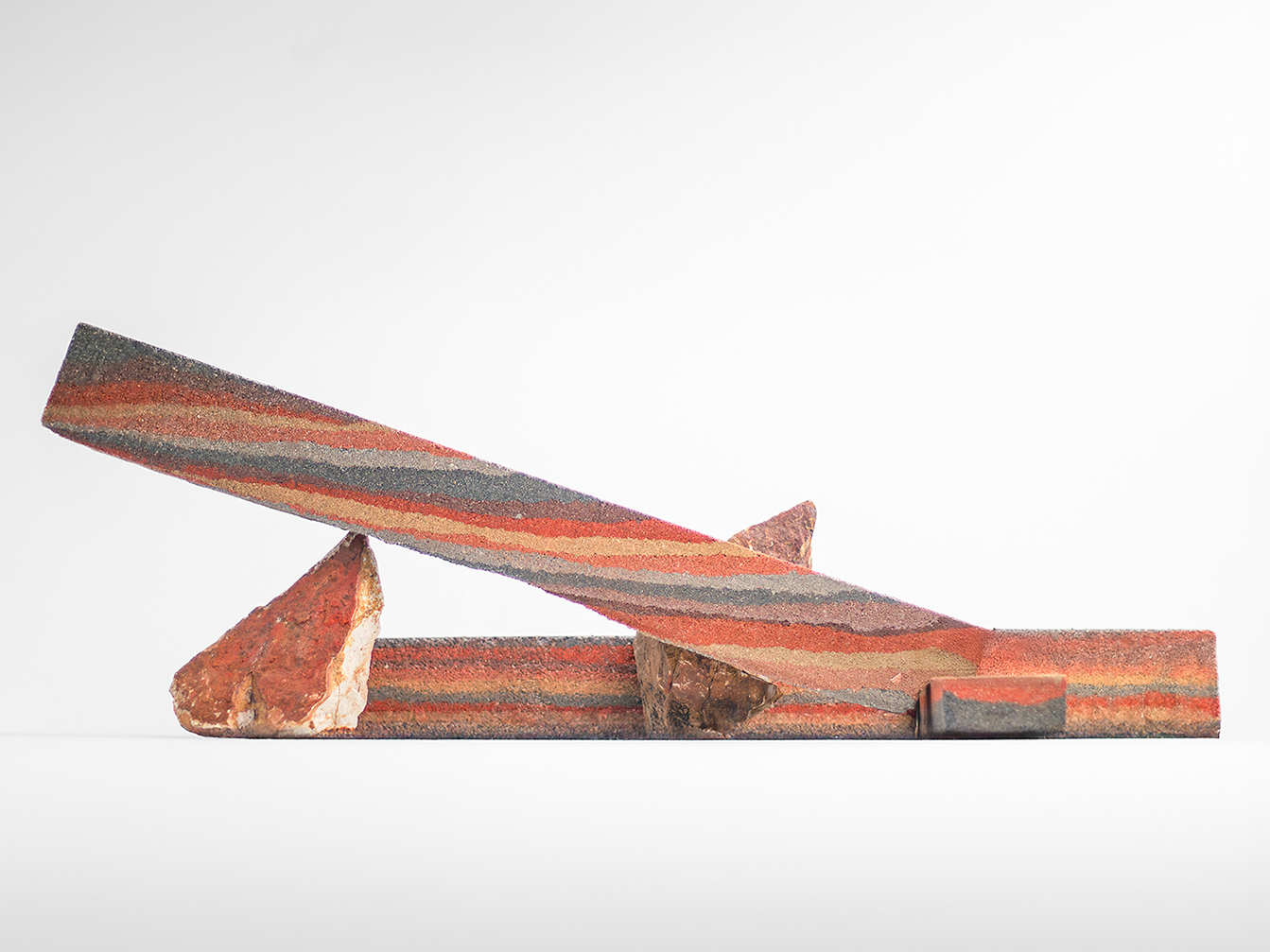
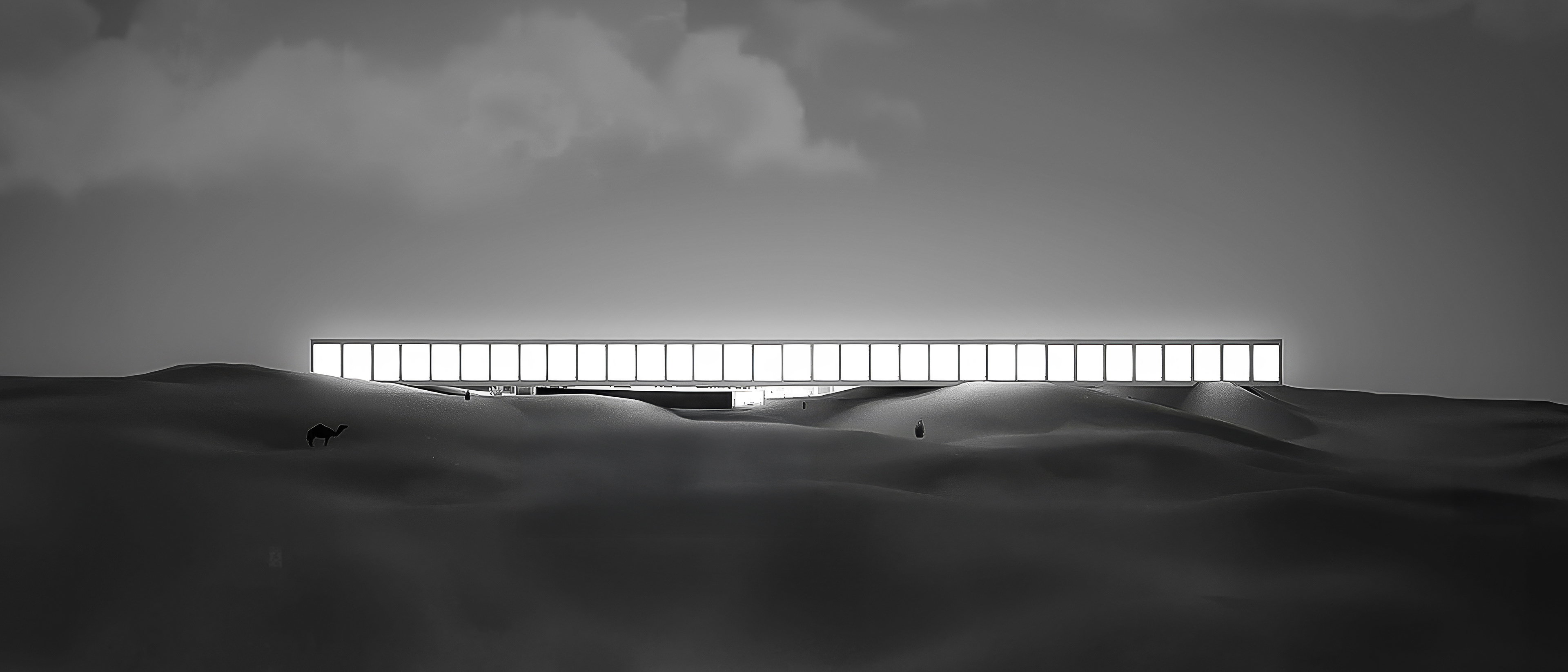
DUNES is a design proposal for an architecture school in the Mojave Desert of Arizona, situated at a critical intersection between sand valleys and dunes. Inspired by the site's typology, the project advances the idea of a habitable roof—a cantilevered datum for human occupation that shelters the lower level from environmental extremes—while engaging with the organic forms of the valley below as an academic platform. At its core, the design examines the co-relationship between a gridded, communal habitable roof and a fluid, organic platform, reimagining the architecture school as a self-sustaining system embedded within the desert environment.
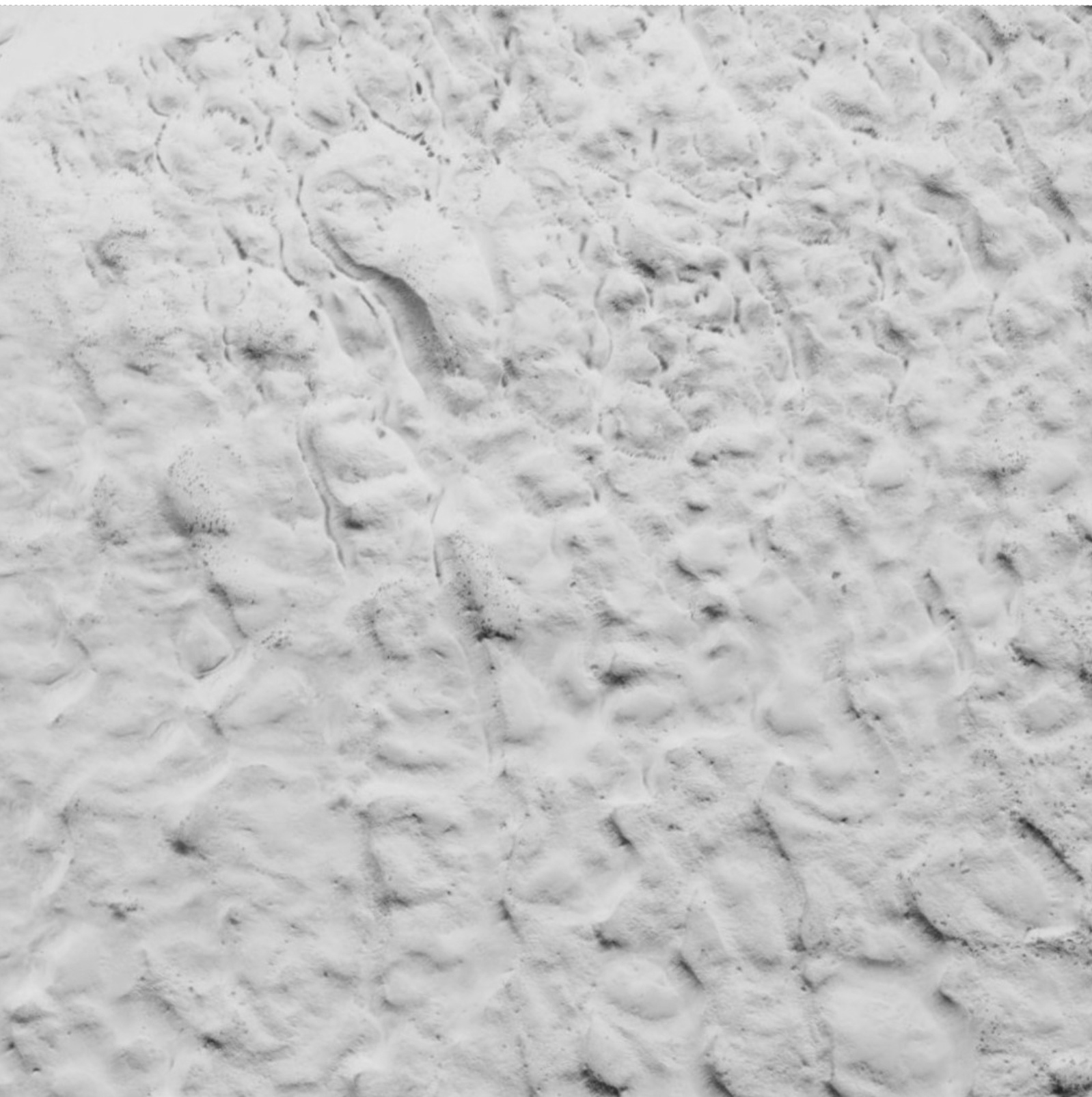
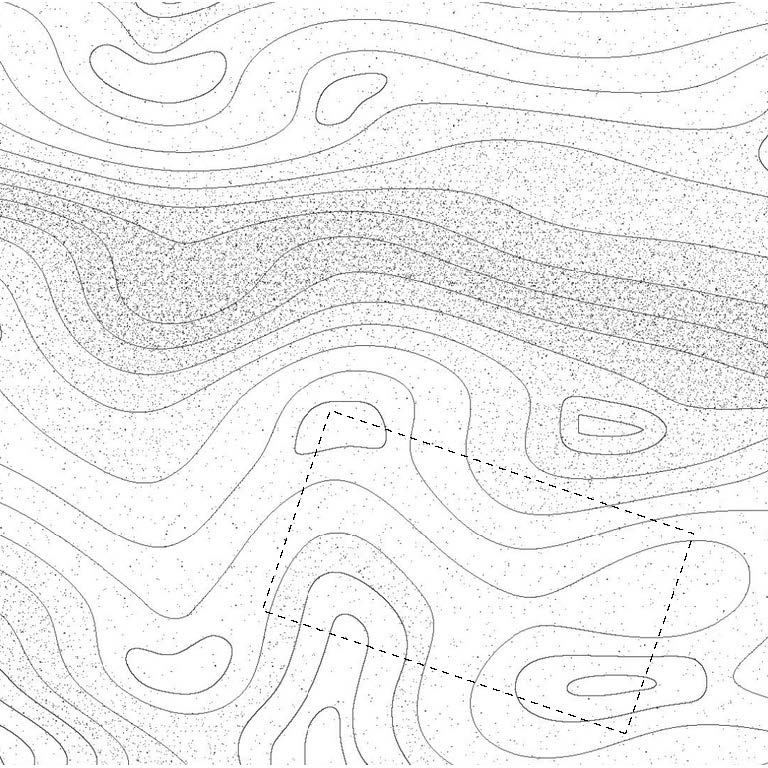

Situated within the Mojave Desert, the Kelso Dunes unfold as a vast field of accumulation—towering dunes interrupted by deep, carved valleys. The dramatic disparity in elevation generates a charged topography, where shifting ground and void form a continuous landscape of tension, movement, and spatial contrast.
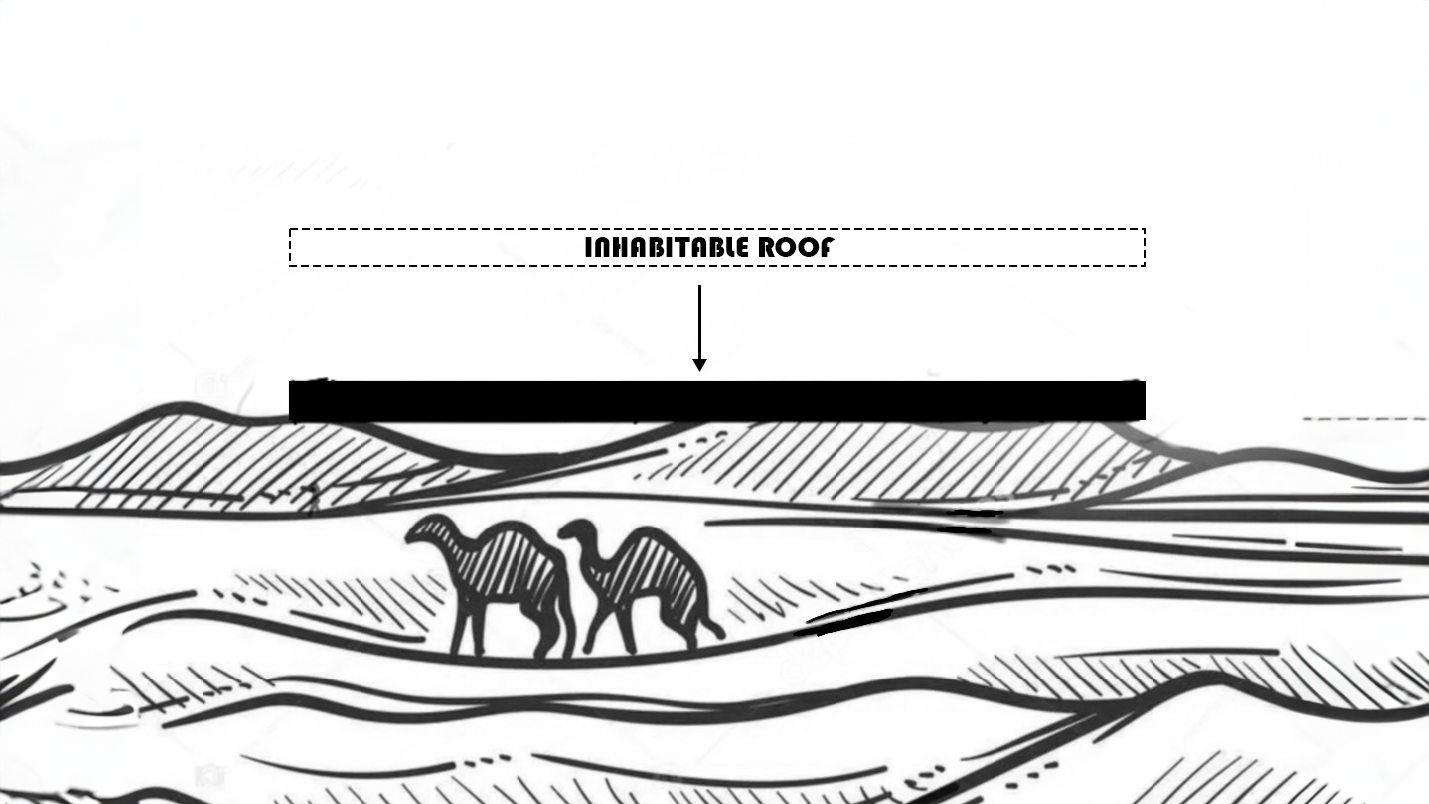
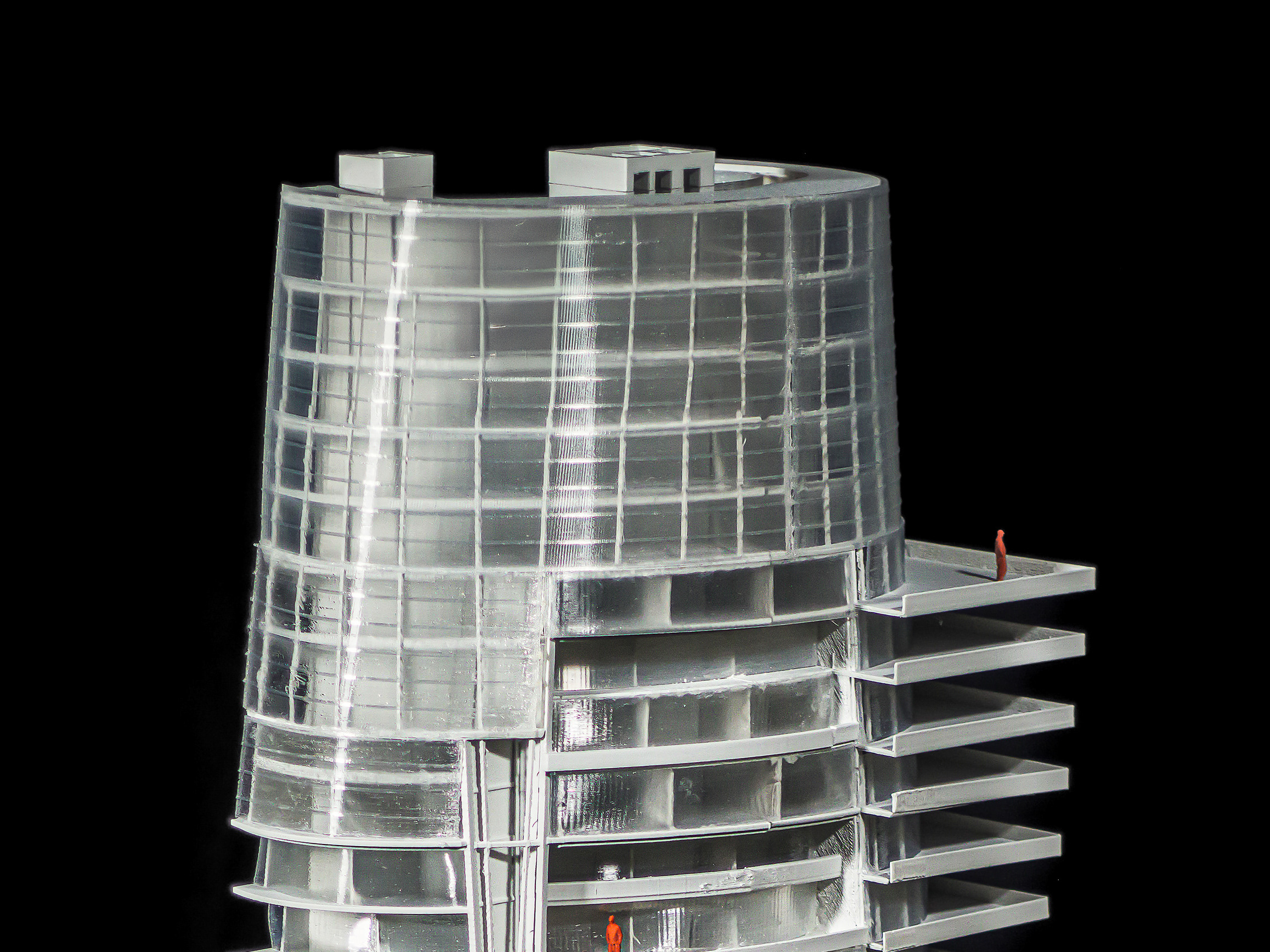
The concept begins with a habitable roof—an urban datum mediating between living dormitories and shared amenities—while sheltering the valley below as an academic platform. Defined by gridded transparent frameworks and dune-based typologies, the roof forms a continuous volume that reframes desert horizons, treating the desert not as a constraint but as architectural inspiration.

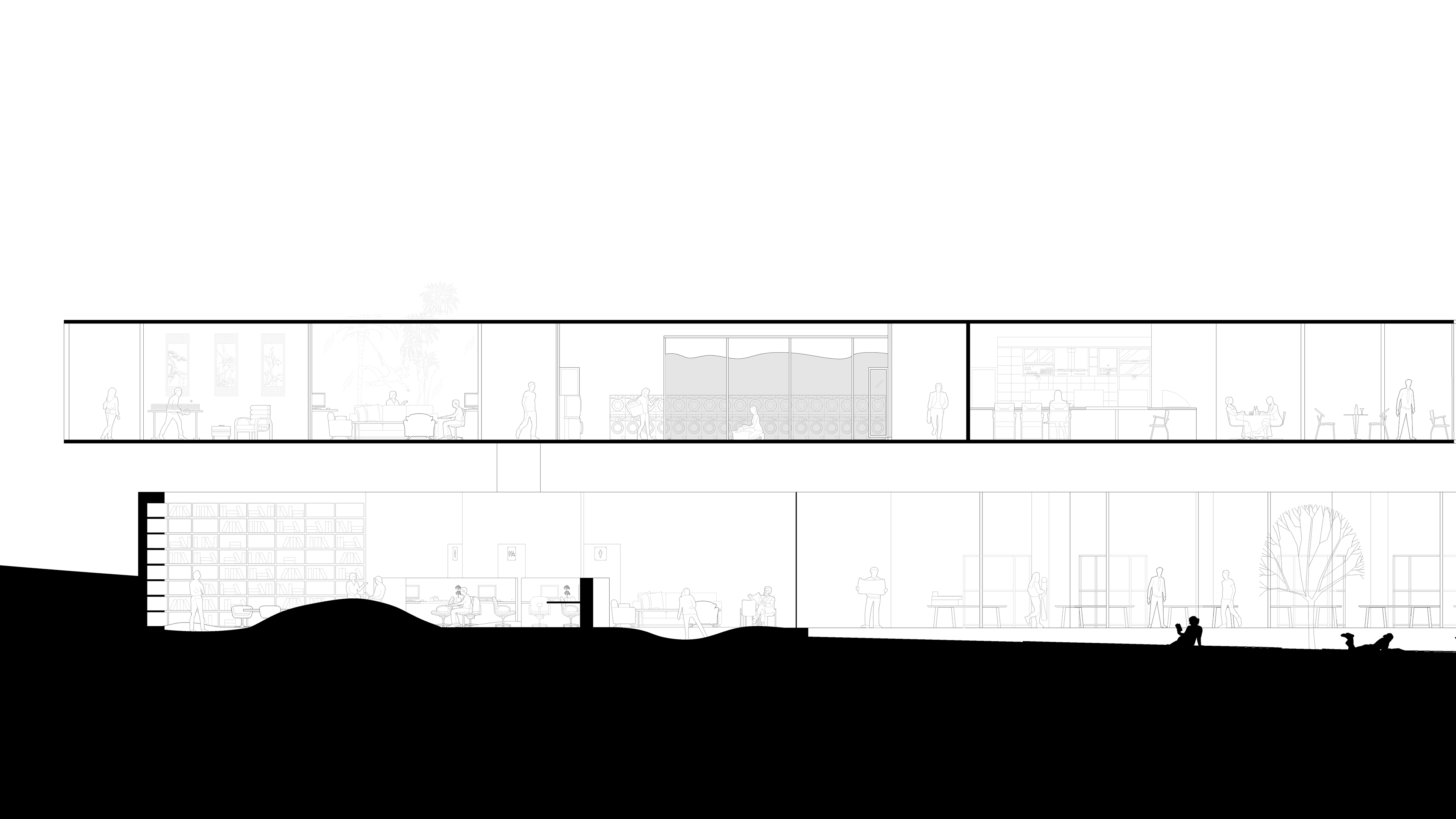
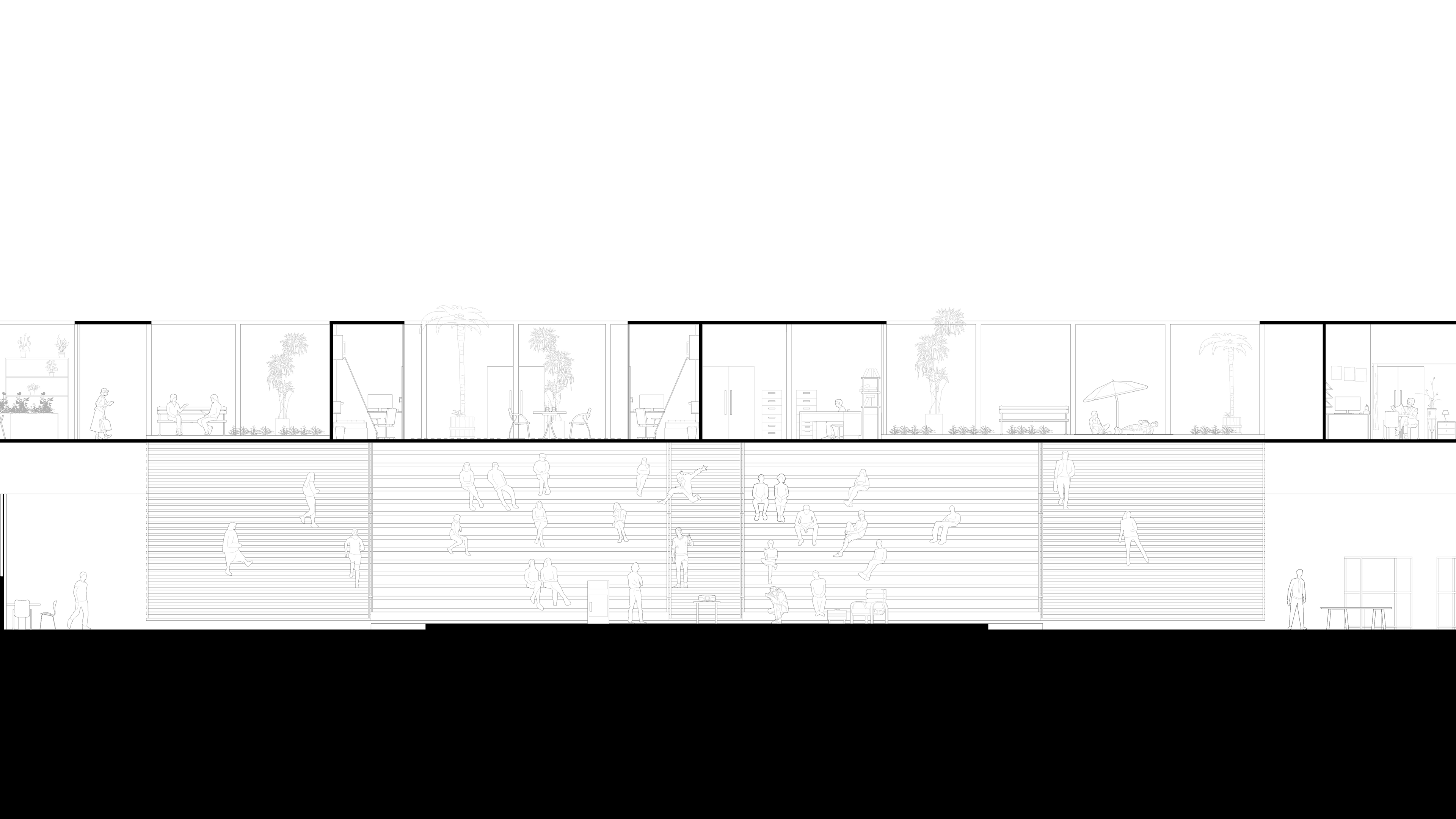
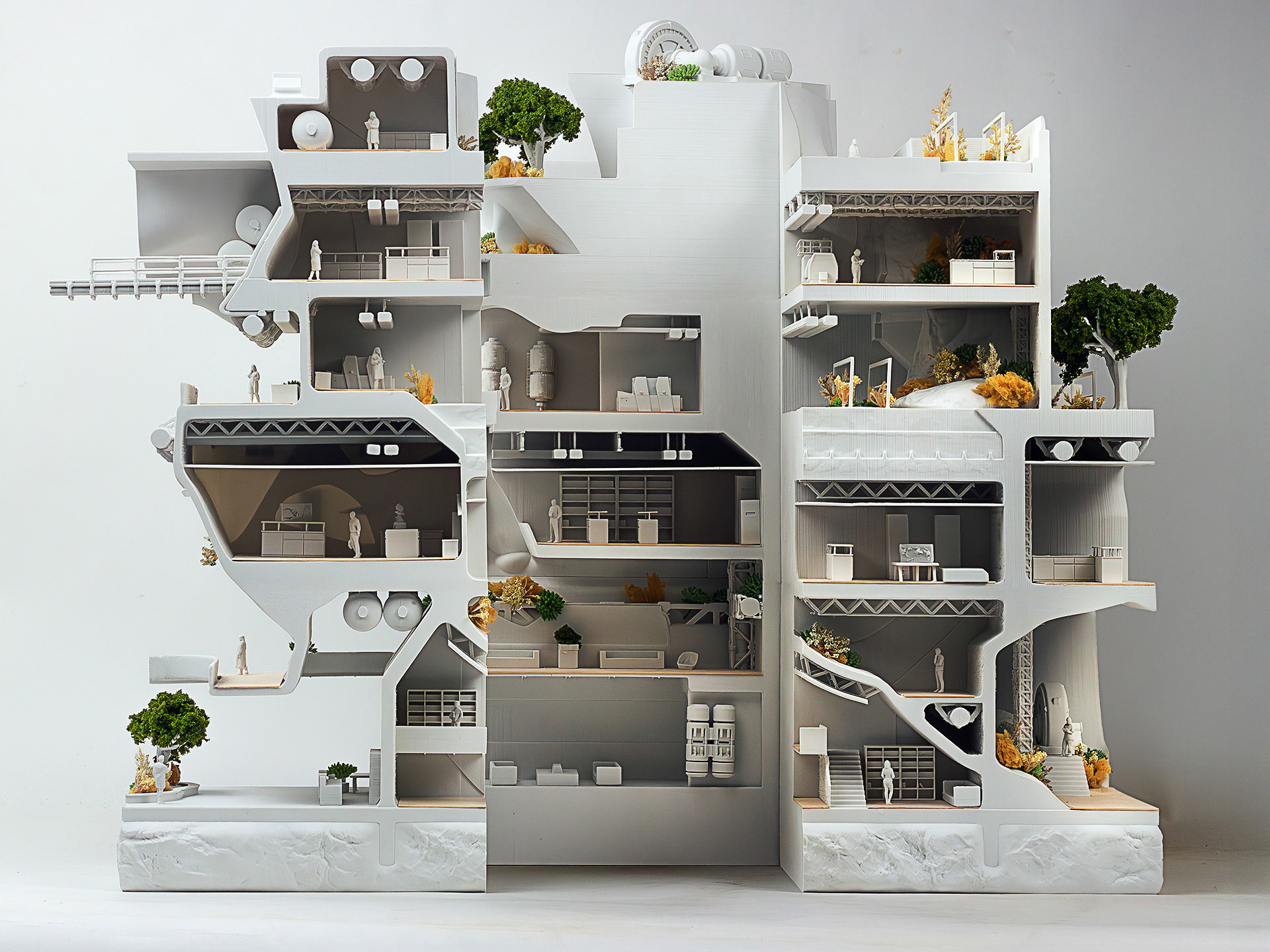
Detailed sections reveal the layered spatial organization and structural composition defining the relationship between the habitable roof and the valley platform. While the roof follows a conventional gridded order of rooms, corridors, and amenities, the valley adopts dune-like formal expressions across interior and exterior spaces. Together, these systems produce coexistent discrepancies and connections, articulating distinct yet interdependent spatial and functional identities within the system.
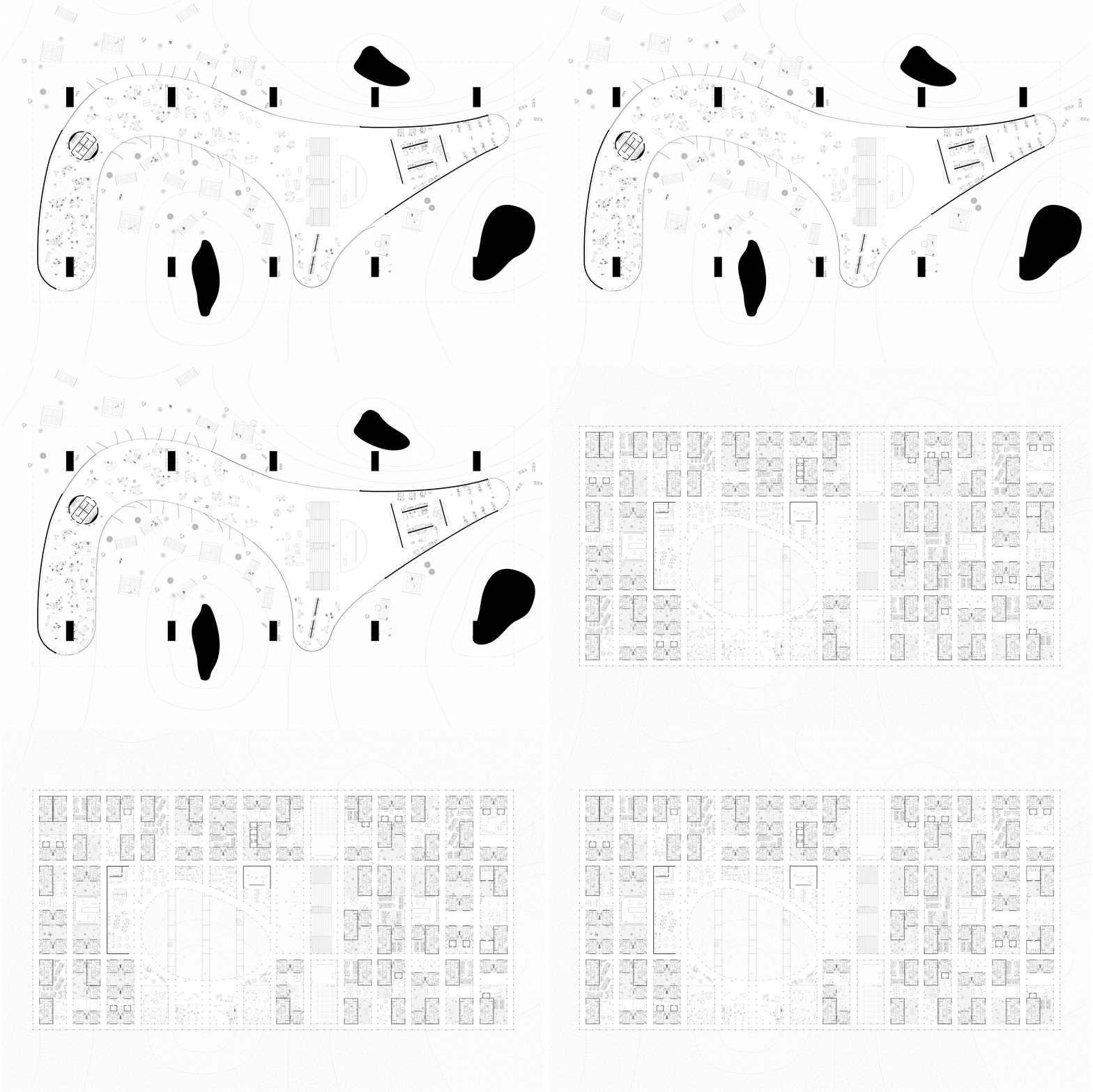
Internally, the central atrium—shaped by the contours of the dune topography—is positioned as a pivotal intersection between the two platforms, disrupting established circulations, typologies, and programs. Above, the inhabitable roof operates as a gridded communal framework, structured like an urban fabric where distinct neighborhoods support varied residential configurations, shared amenities, and integrated greenery. Below, the valley platform unfolds as a continuous academic area, enabling uninterrupted circulation between studios, study areas, and production spaces.
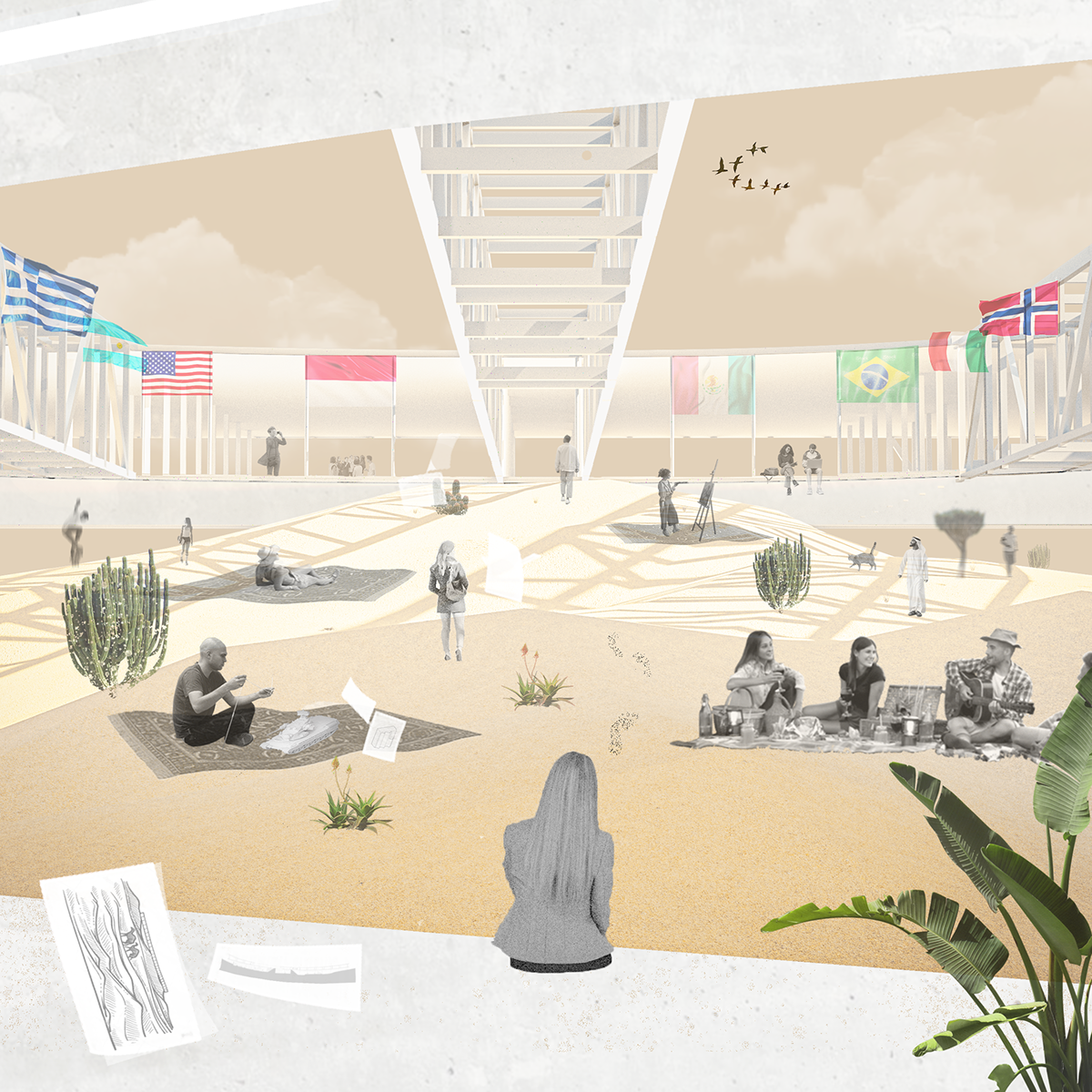
views of the central atrium from the architecture studio
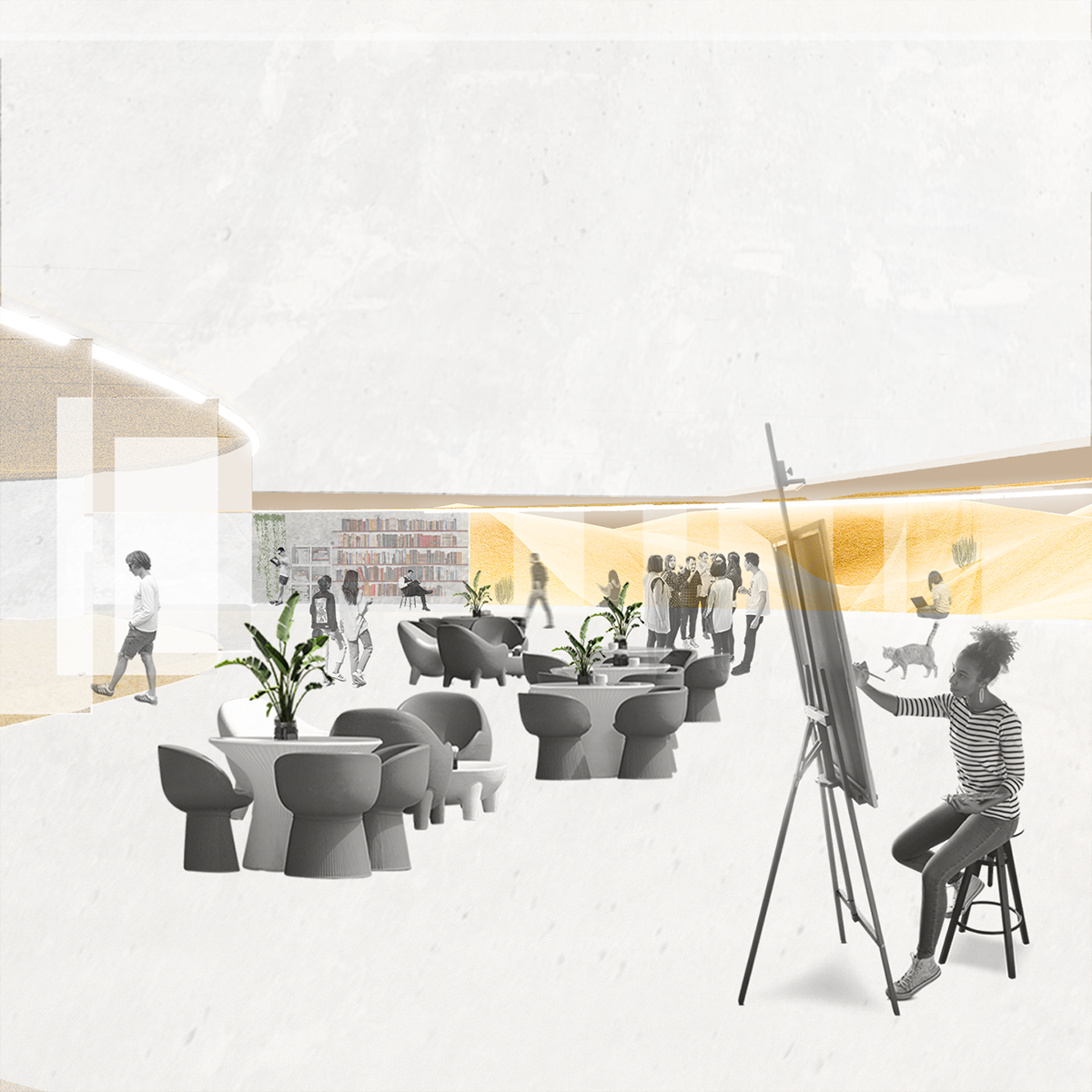
views of the architecture studio between the valley's setting
Together, the habitable roof and the valley platform operate as independent yet interdependent systems, each amplifying the spatial, structural, and programmatic capacities of the other. DUNES is not merely an architecture school; it repositions social interaction, structural logic, and architectural typology as adaptive instruments within the extremes of the desert.