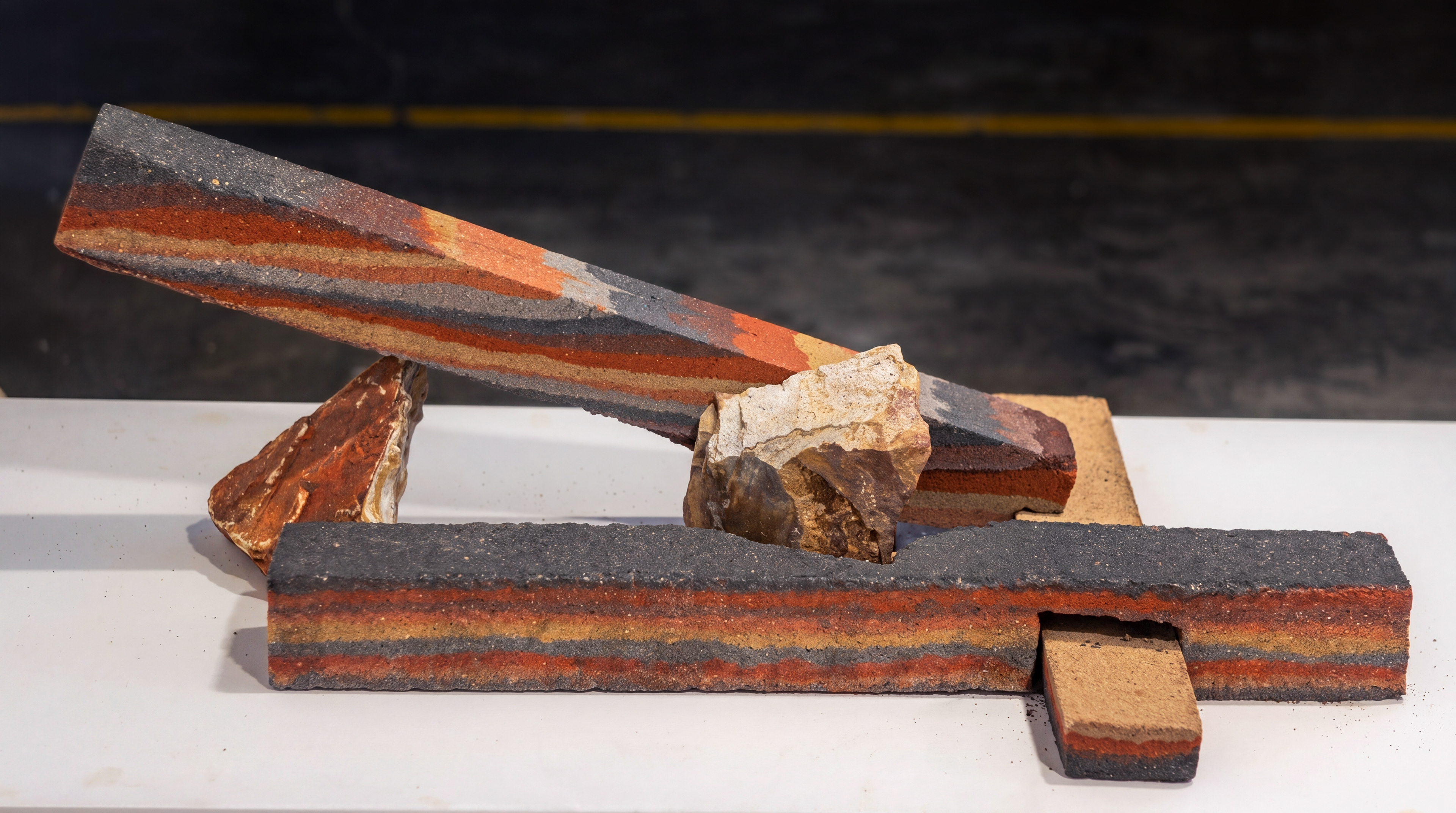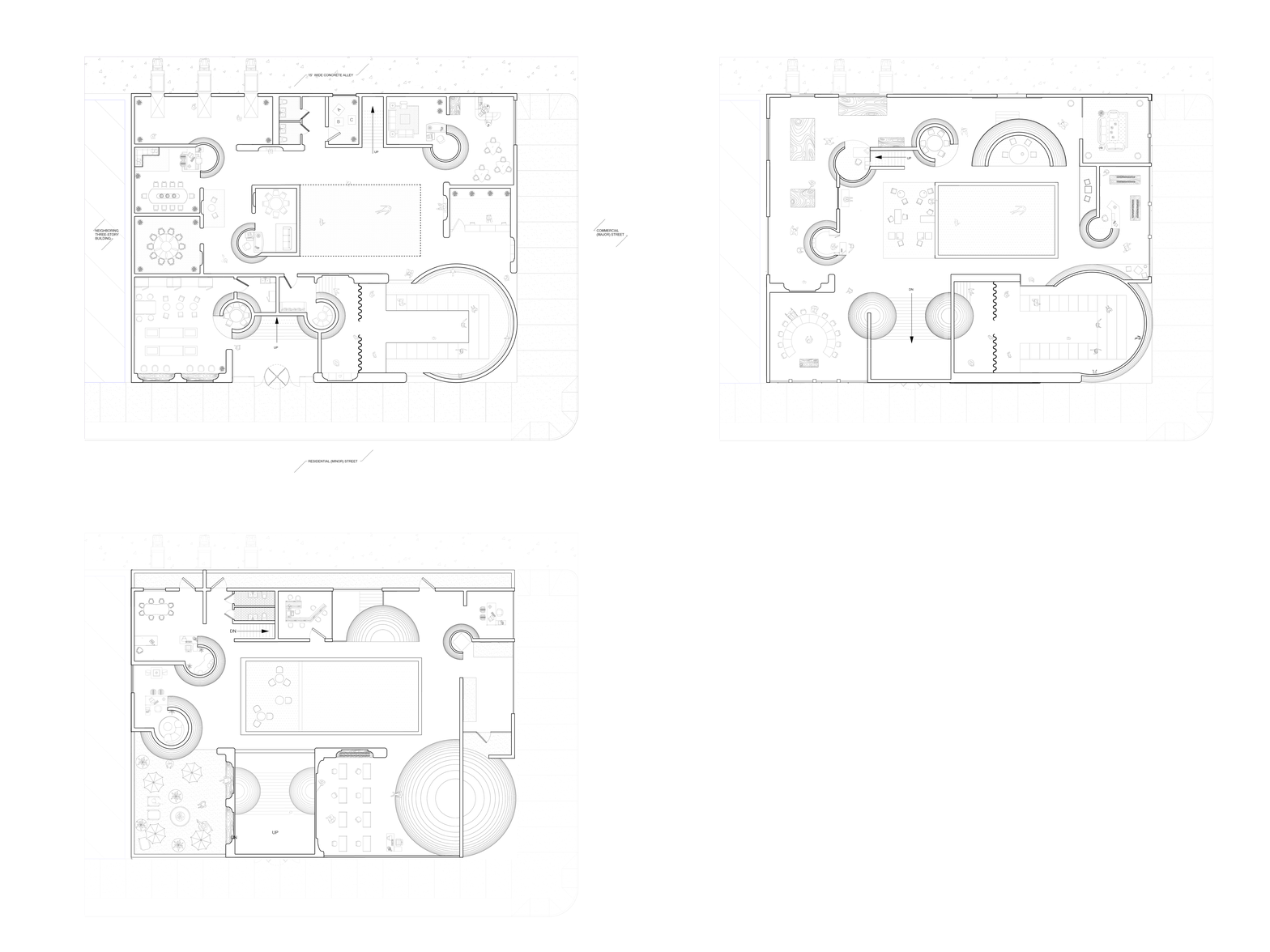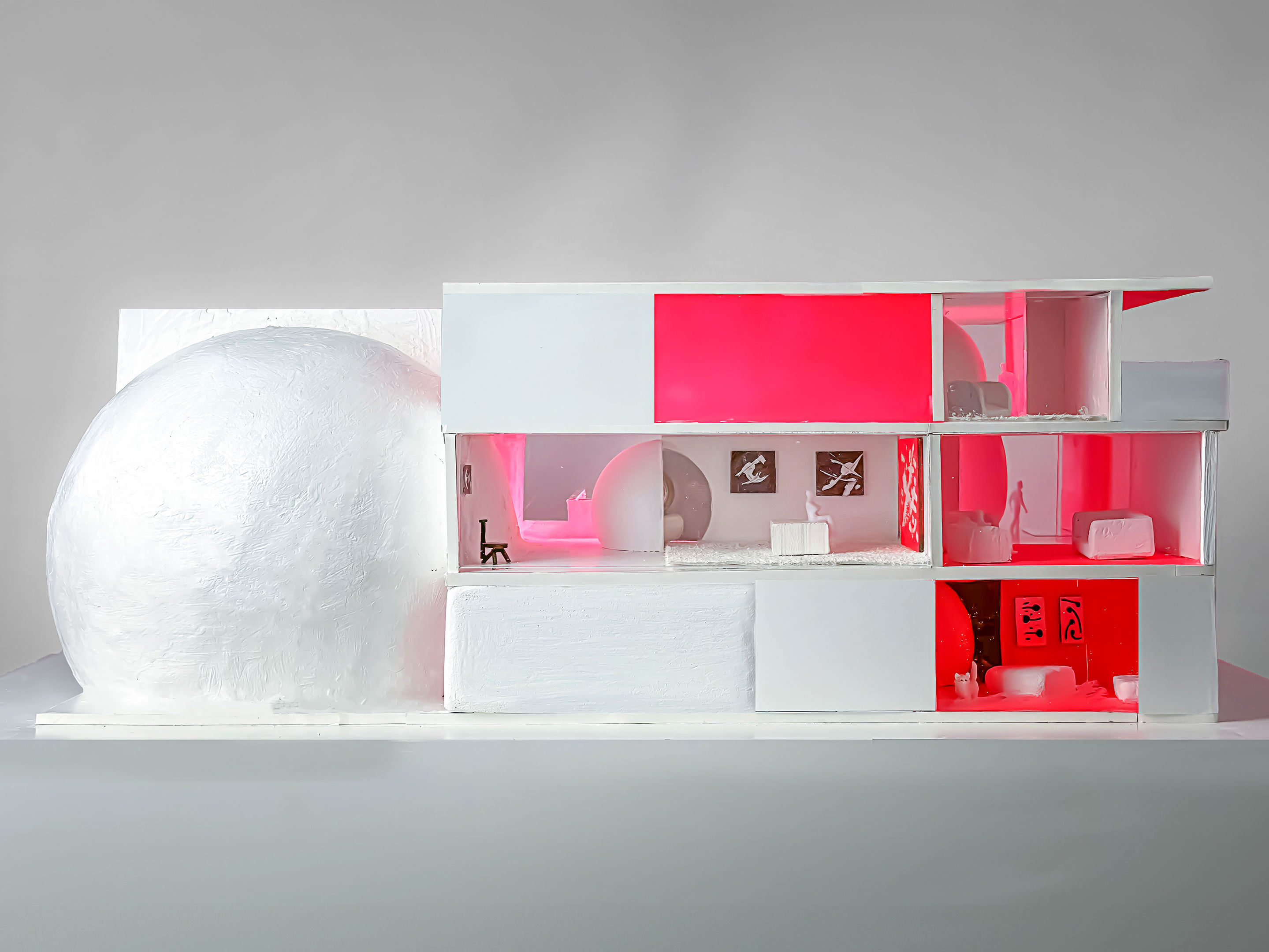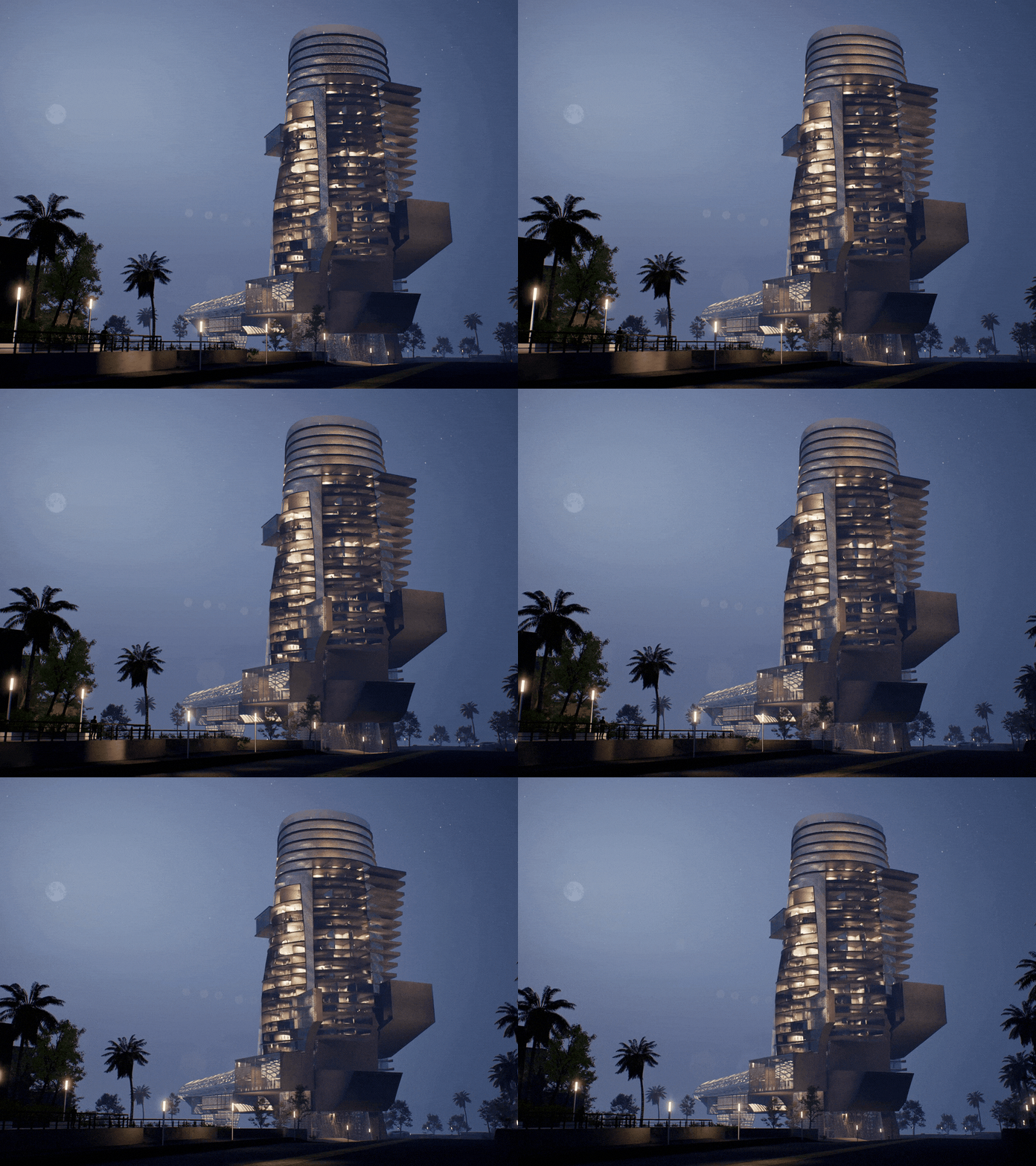
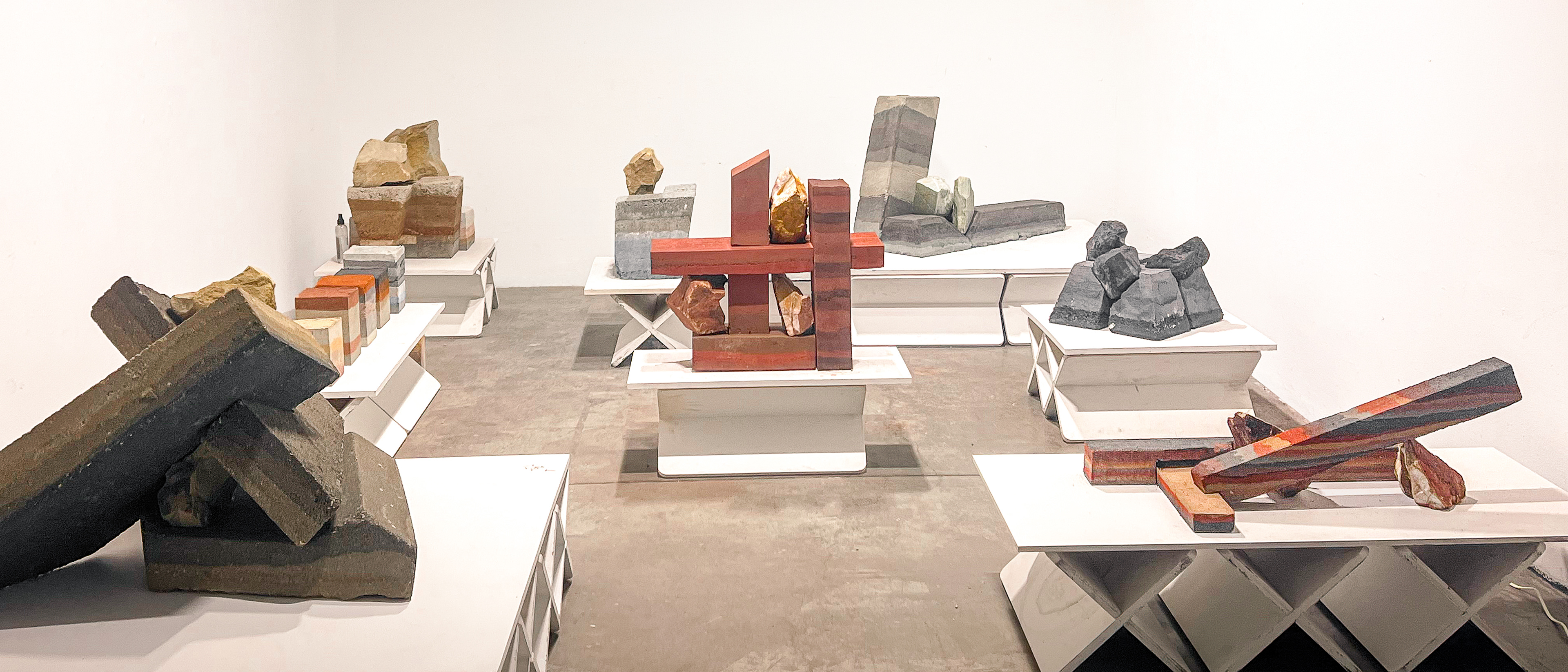
X-Centric is a prototype sculpture constructed from quarry-extracted stone and rammed earth, investigating the reciprocal relationship between positive and negative space. The large-scale composition establishes a tectonic interplay between contrasting materials, geometries, textures, and tonal qualities, producing a dialogue between mass and void. Although monumental in scale, the rammed earth volumes are anchored and counterbalanced by the stone elements, generating a condition of structural tension that intensifies the viewer’s spatial and gravitational perception.
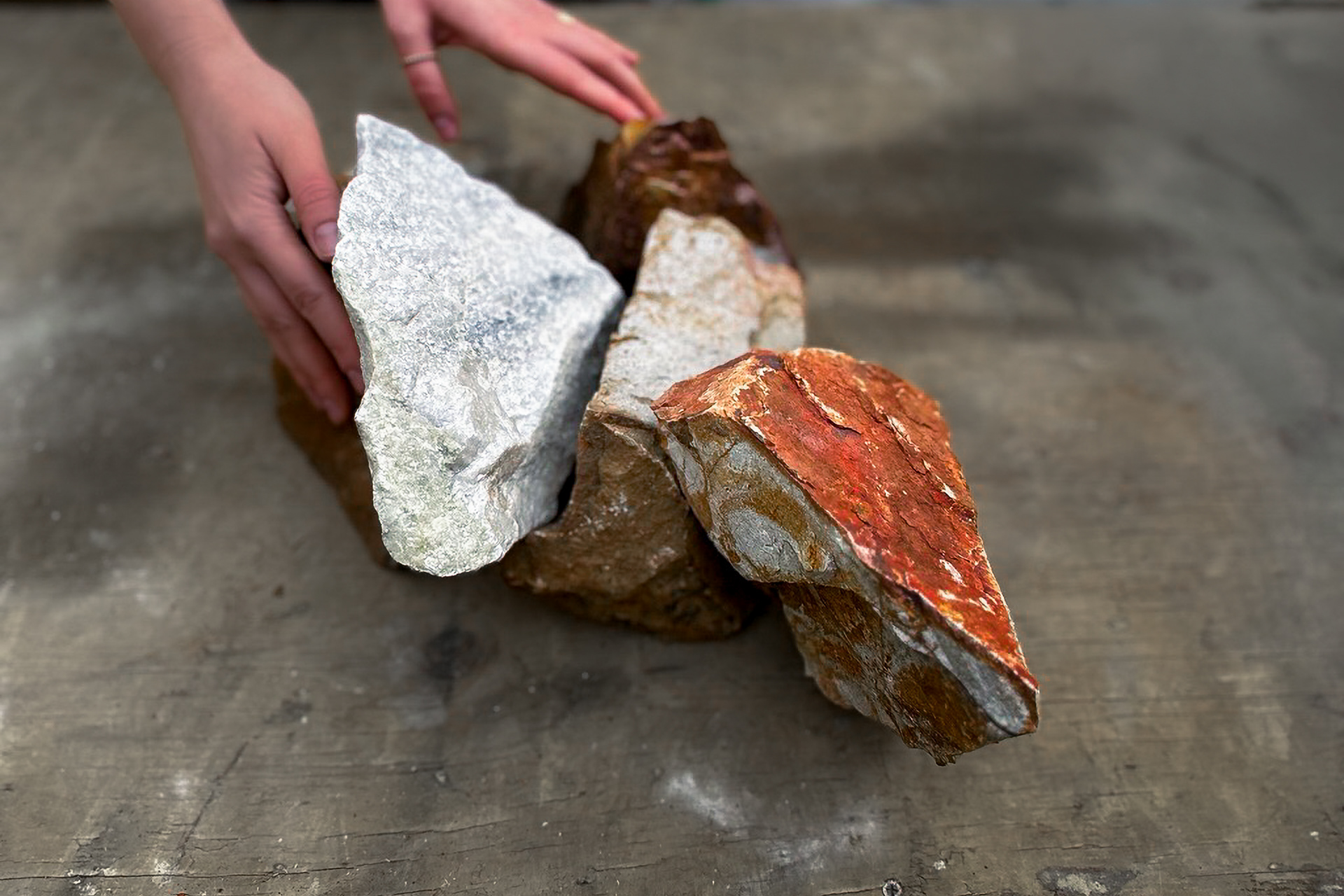
The quarry-extracted stones reveal a raw tectonic materiality defined by fractured geometries, mineral stratification, and varied tonal textures. Their irregular surfaces and geological formations express conditions of weight, erosion, and compression, transforming natural matter into a study of material permanence and force.
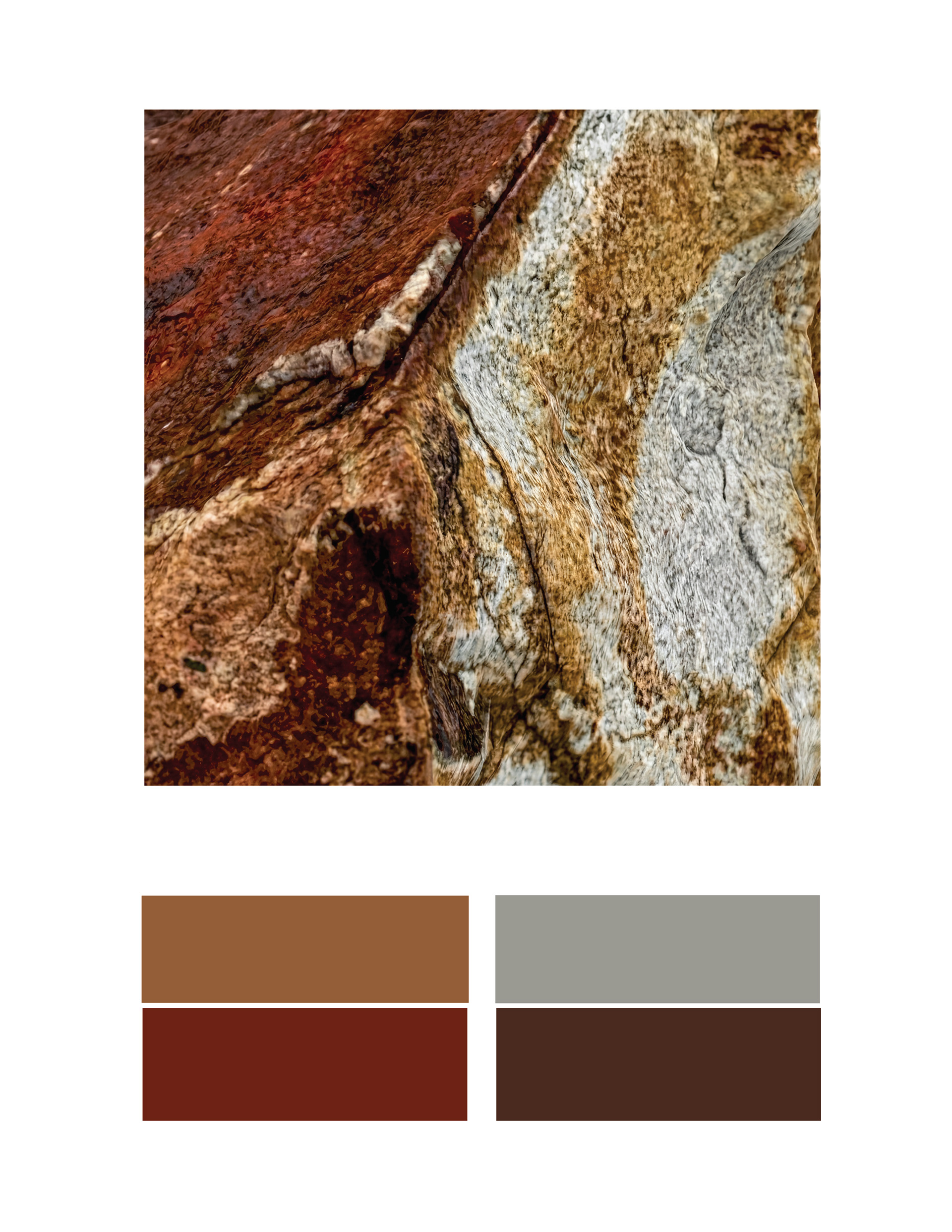
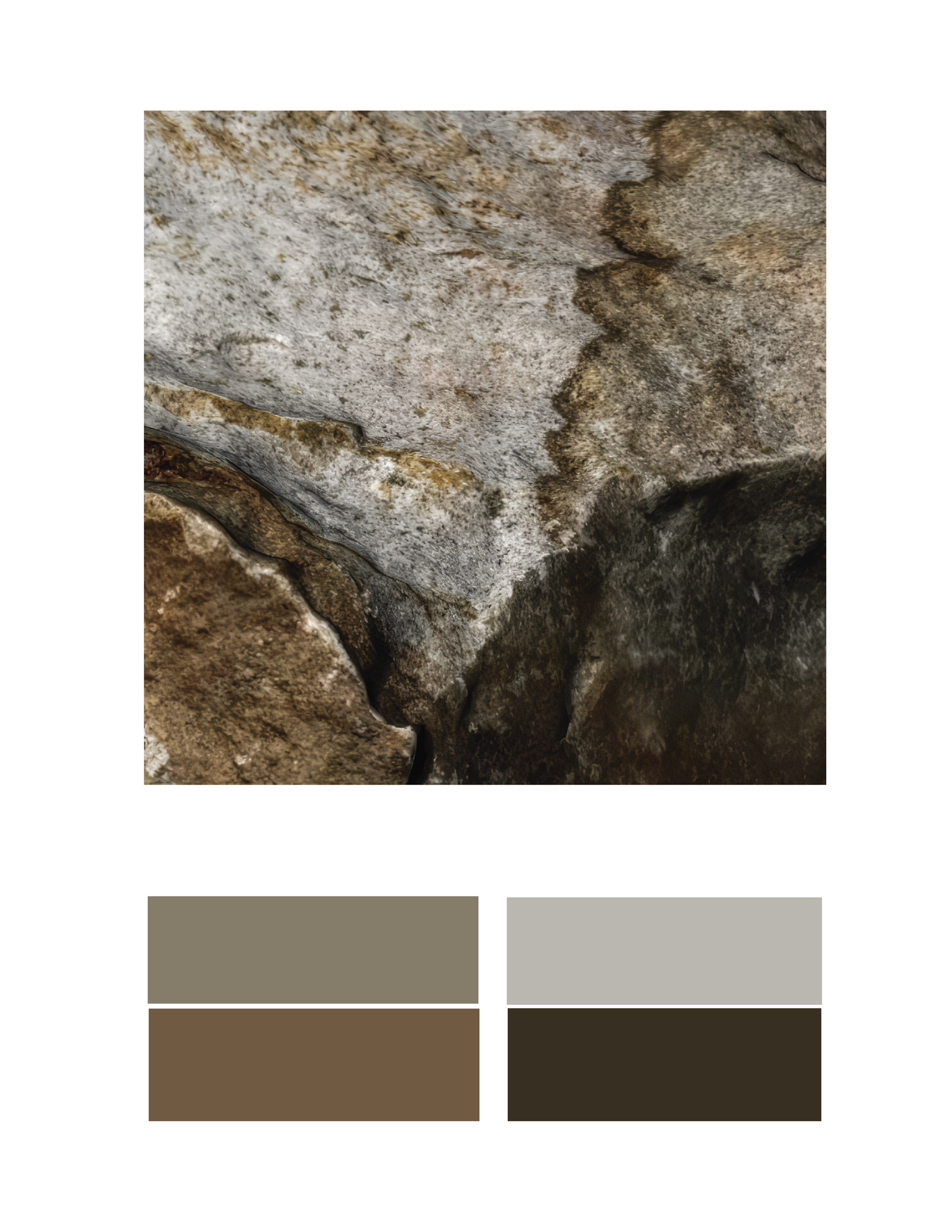
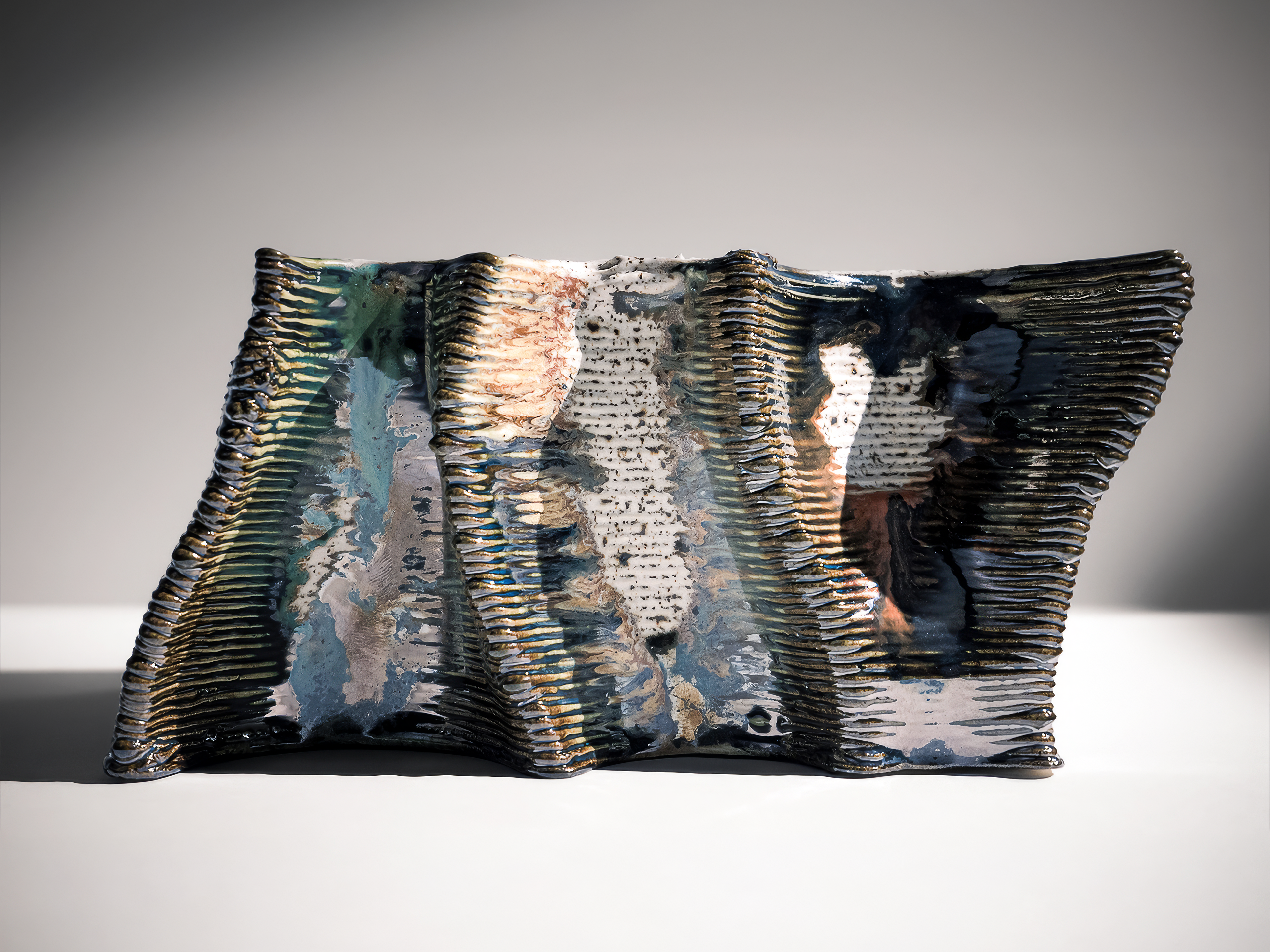
The material palette is defined by oxidized reds, earthen browns, and mineral grays that emphasize the raw geological character of the quarry stone. Variations in stratification, erosion, and texture reinforce a tectonic expression of weight, permanence, and material authenticity.
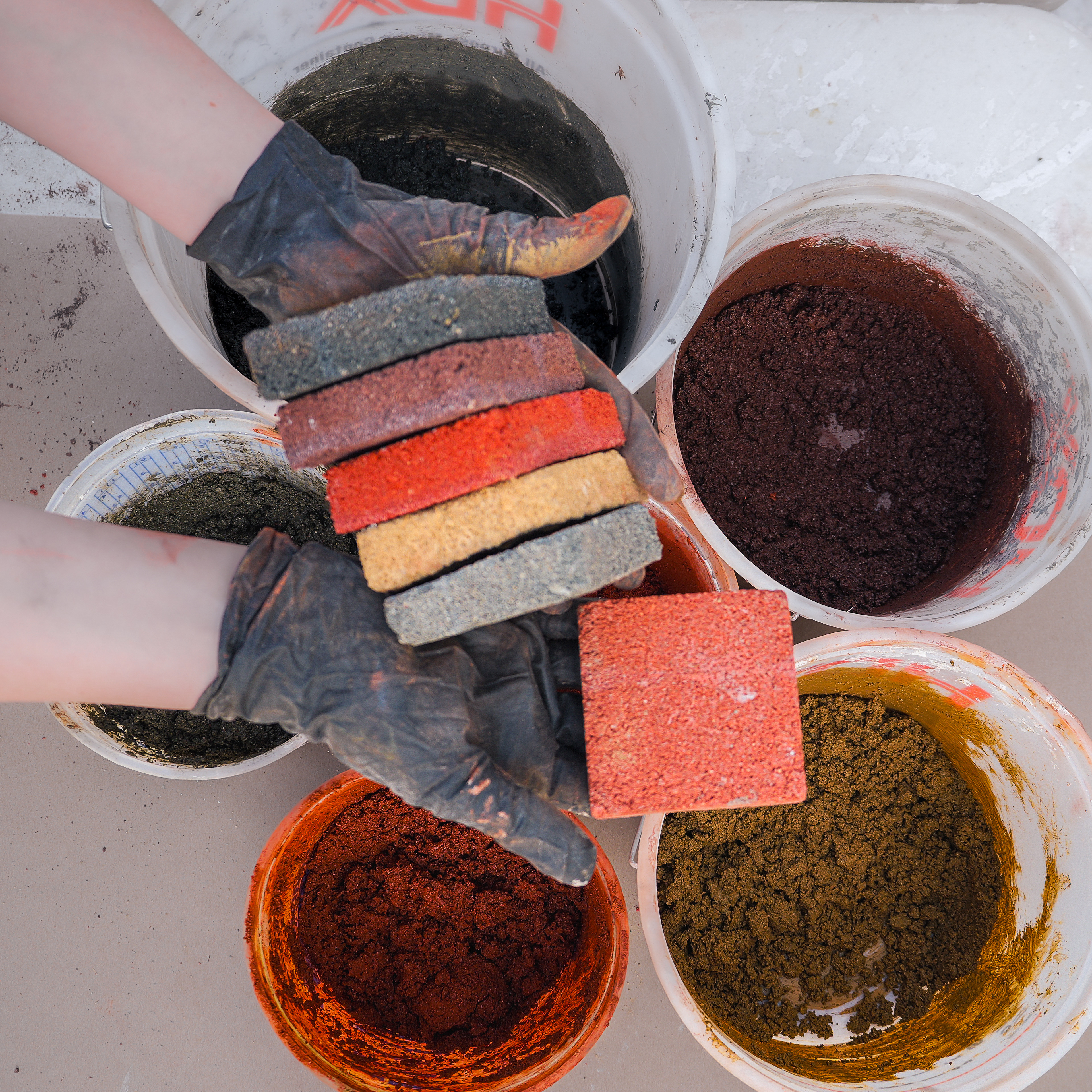
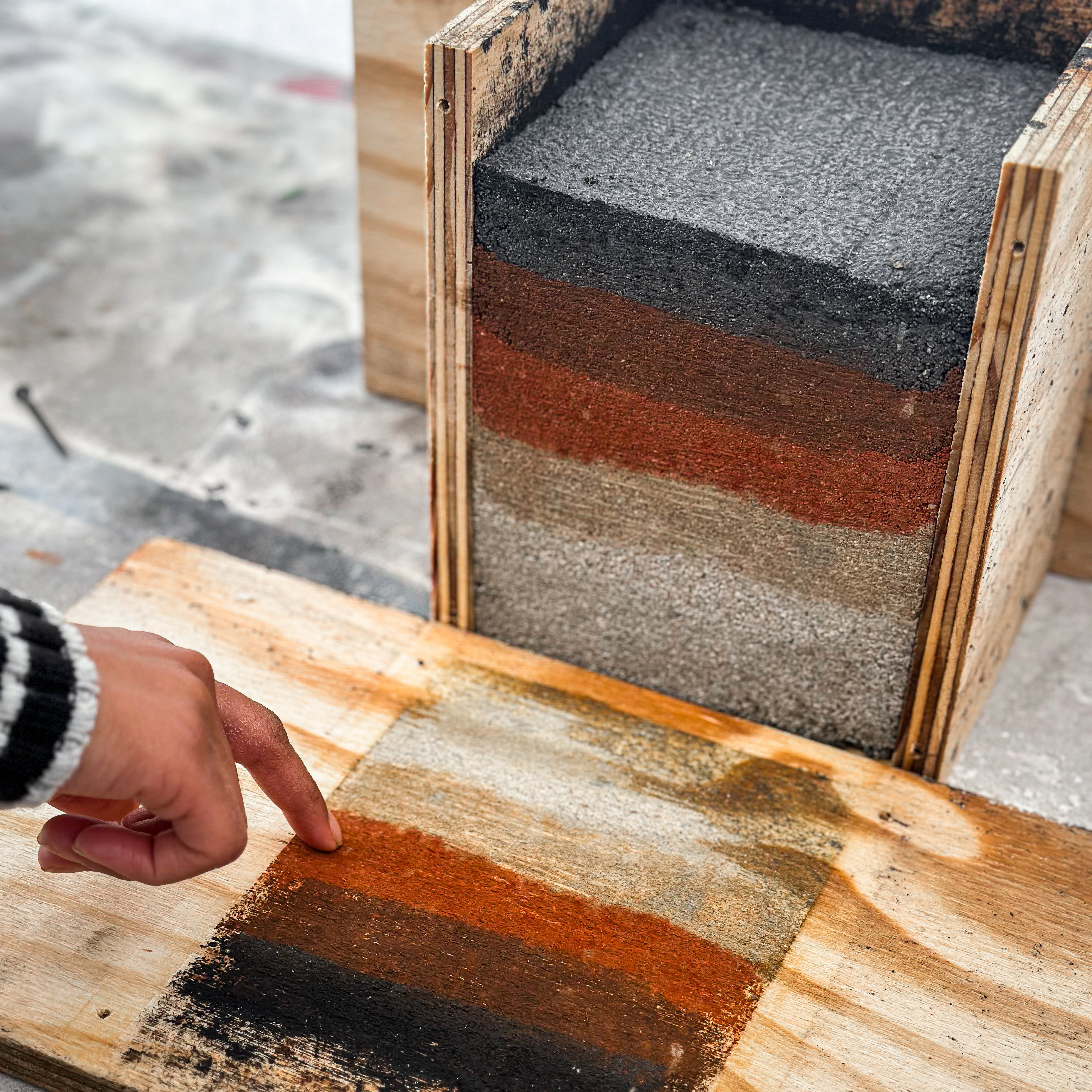
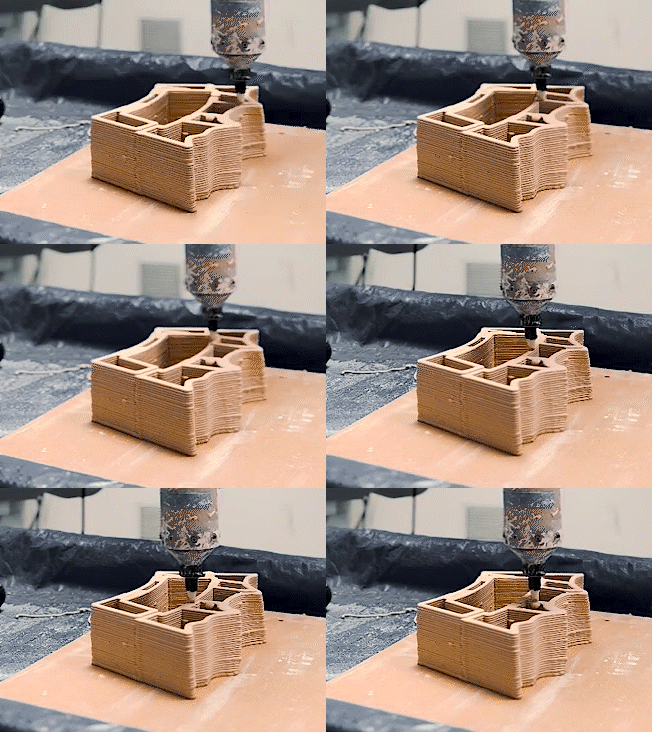
The color selection process translated the oxidized reds, mineral grays, and earthen browns of the quarry stone into a series of material and pigment studies. Through iterative testing of texture, density, and stratification, the palette evolved into layered rammed earth prototypes that extend the tectonic and geological qualities of the original material.
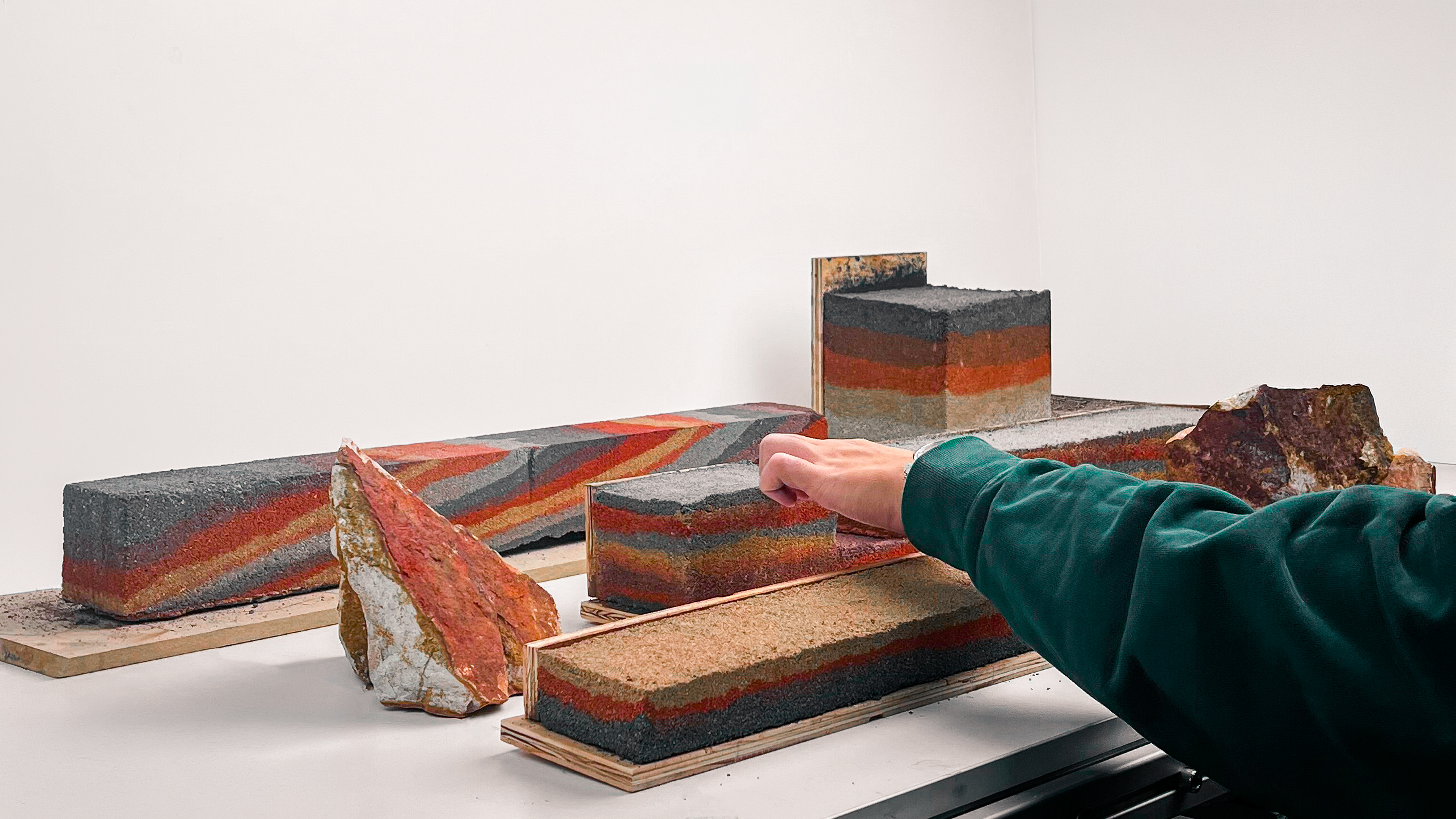
The materiality of the pieces evolved into full-scale rammed earth prototypes that translate the geological qualities of the quarry stone into layered tectonic forms. Variations in pigmentation, density, and stratification reinforce relationships between material process, surface expression, and structural mass.
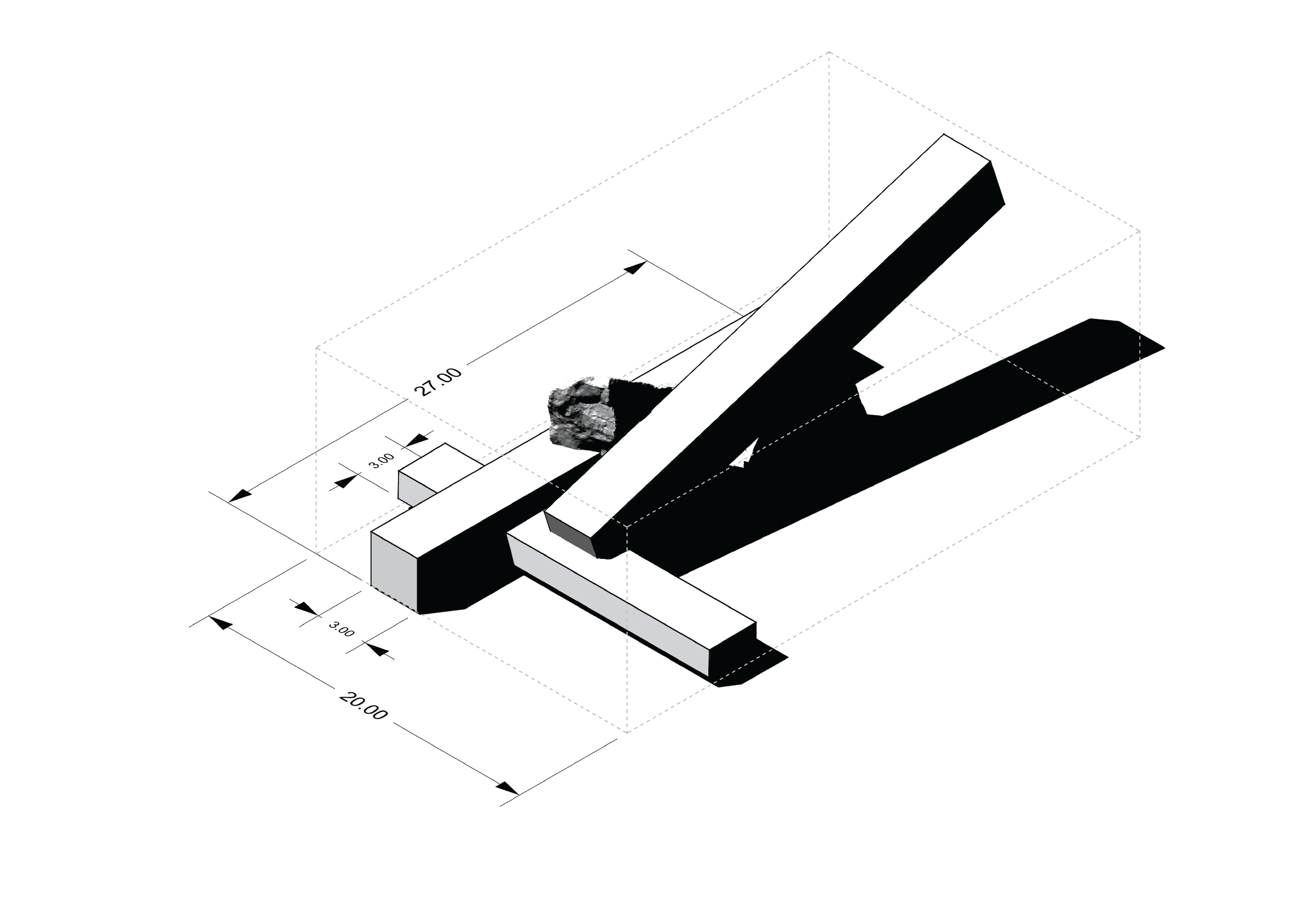
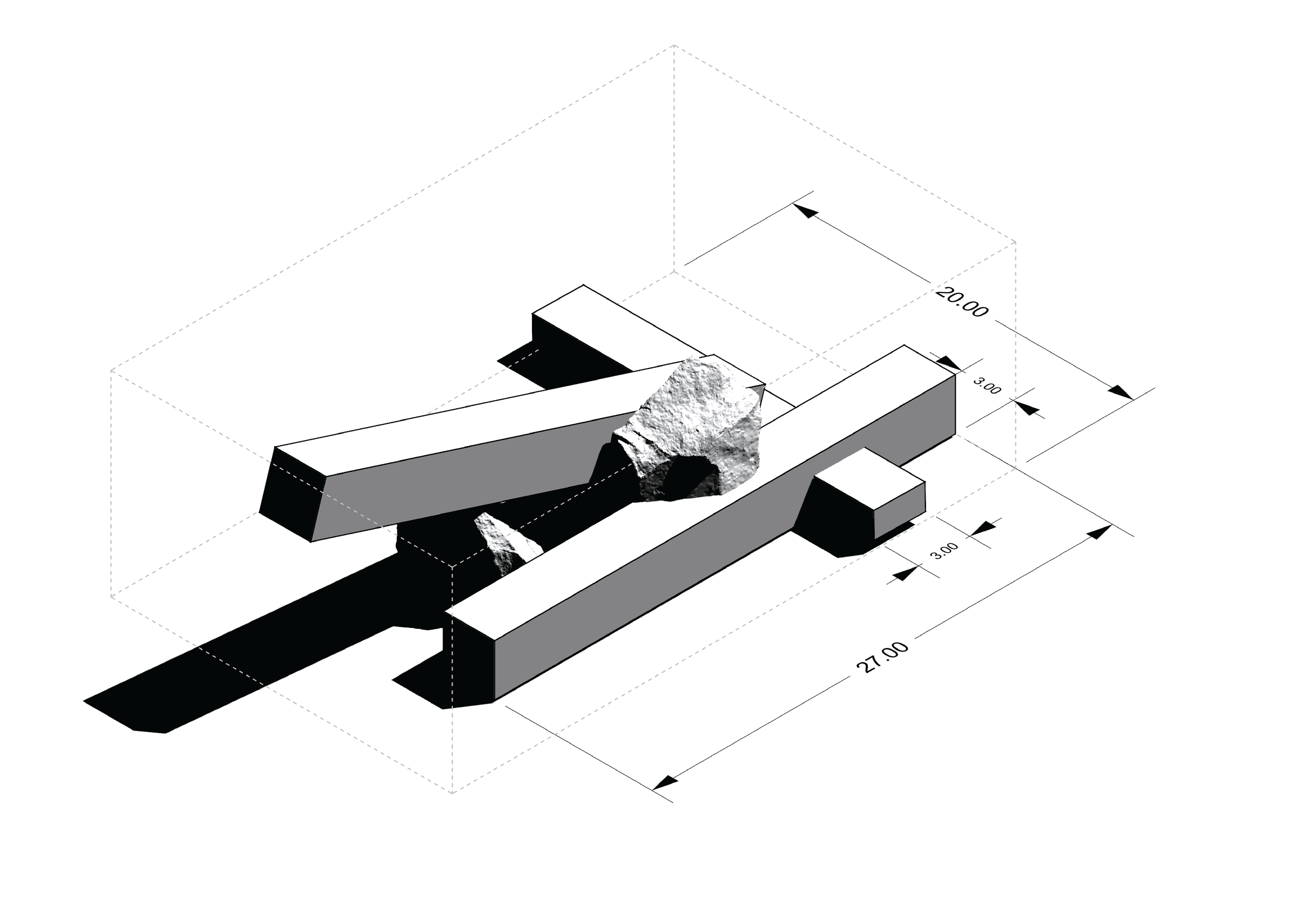
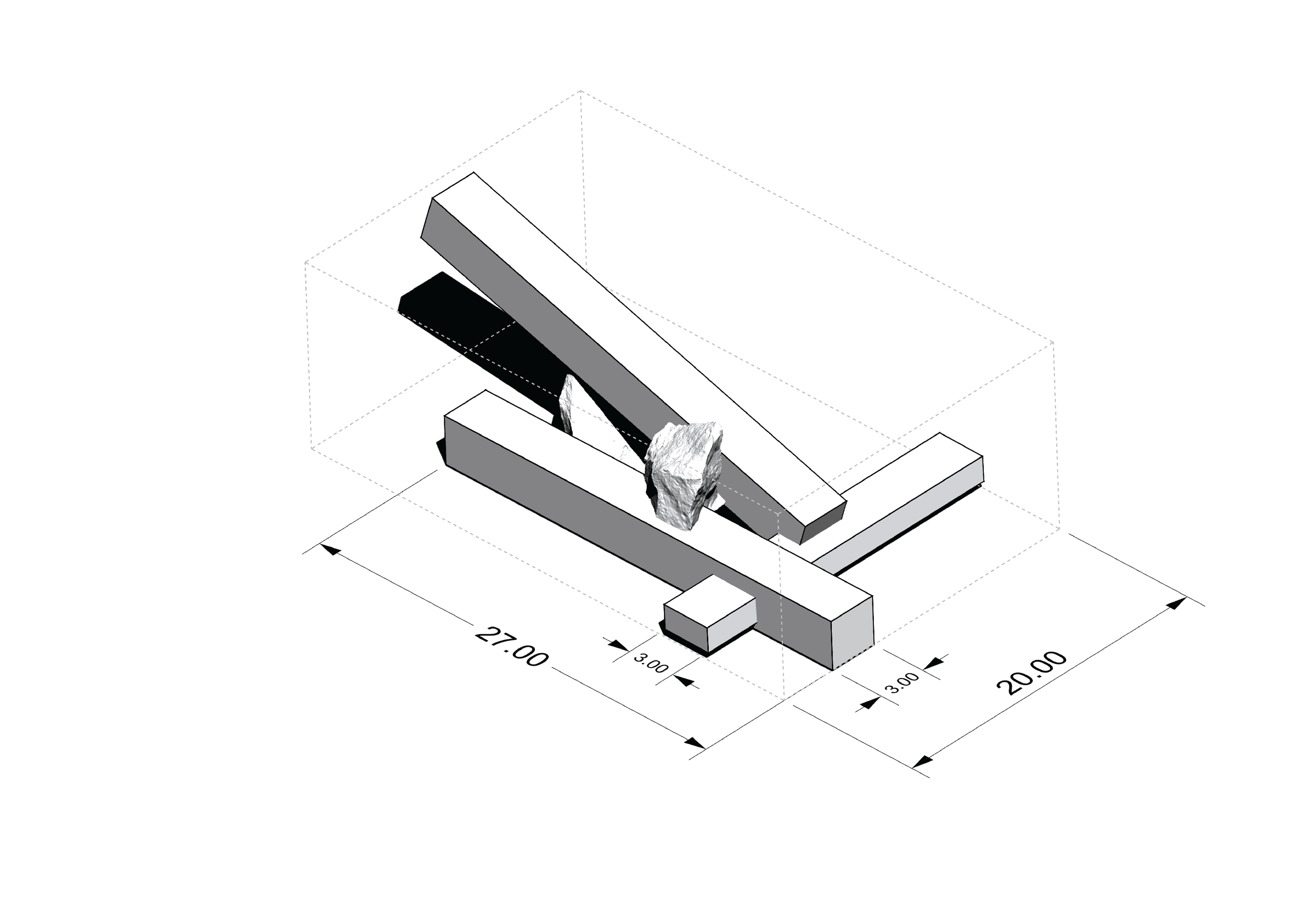
The formwork examines tectonic relationships between rammed earth volumes and quarry stone through a series of balanced structural compositions. Intersecting linear geometries produce conditions of compression, suspension, and equilibrium, while cast shadows intensify the reading of mass, tension, and spatial depth across the assembly.
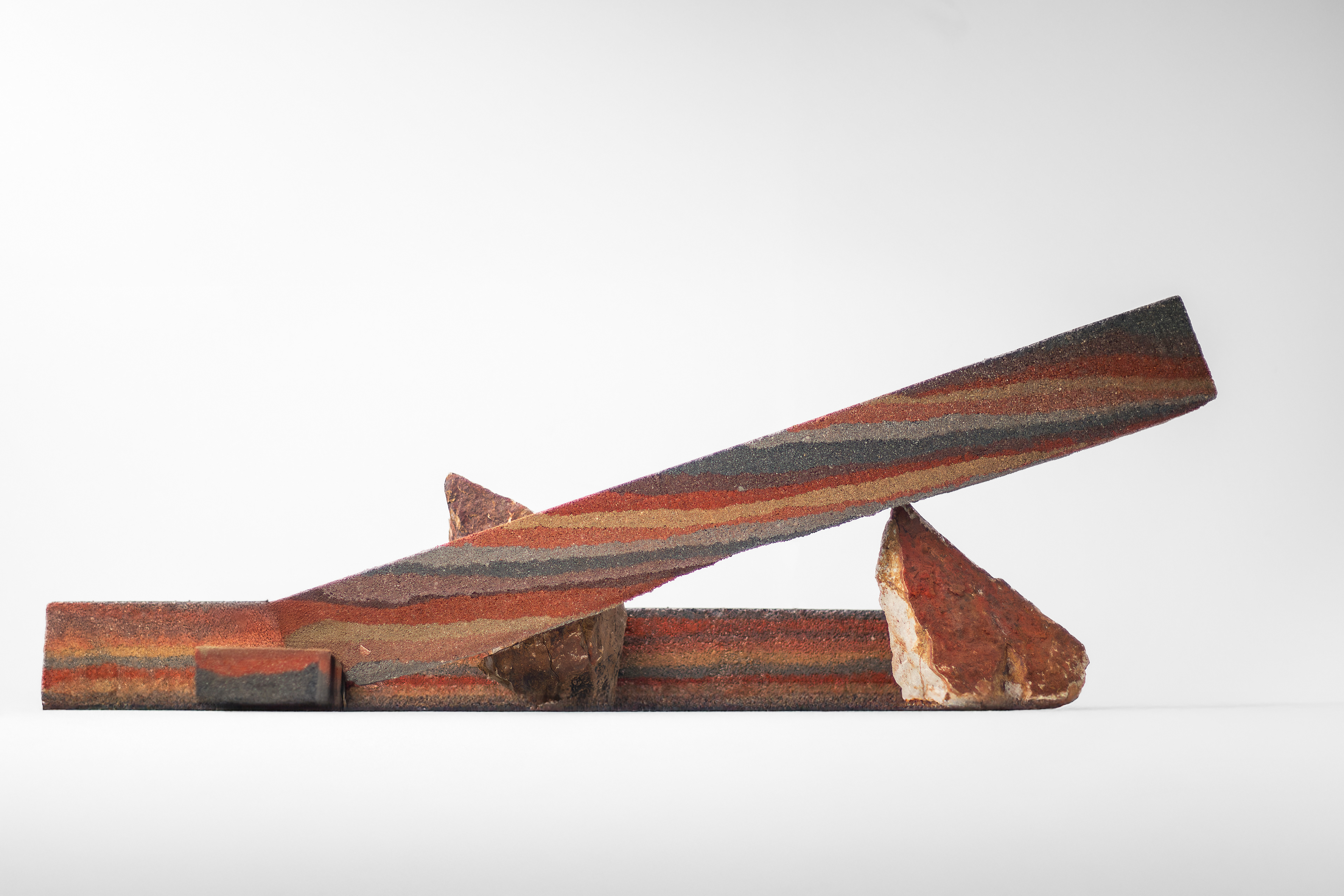
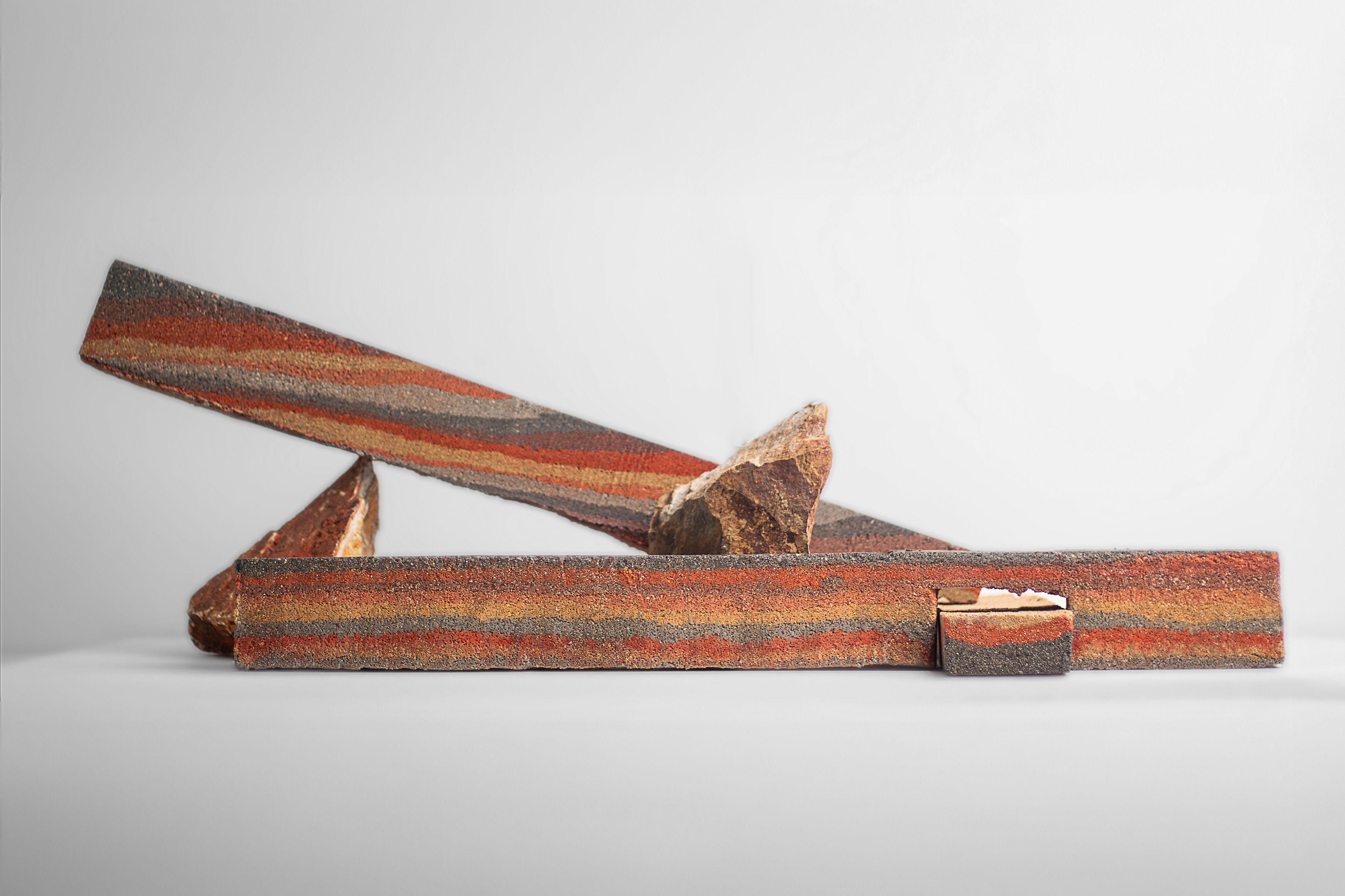
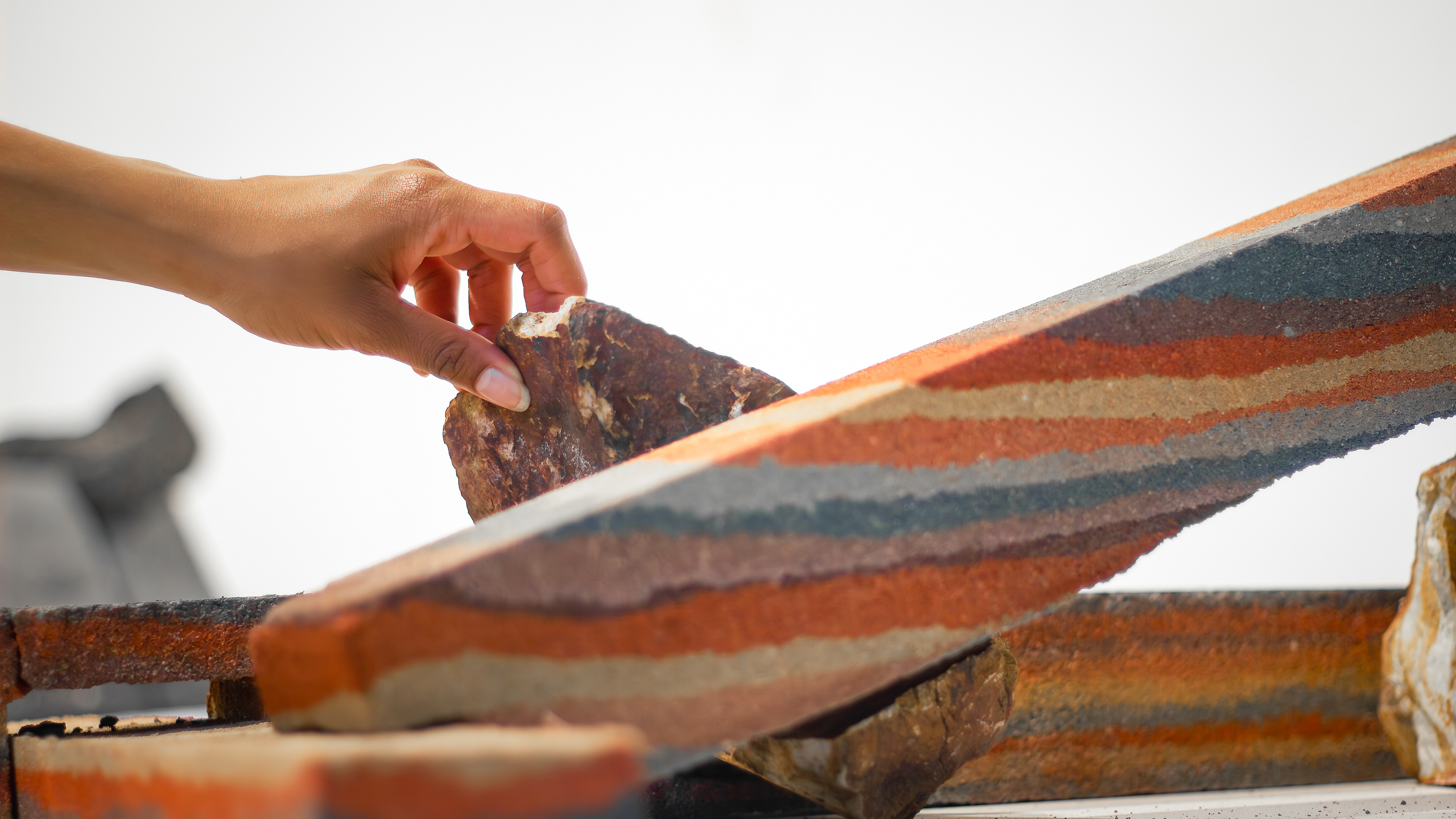
Together, the final prototypes synthesize the project’s investigation into geology, tectonics, and material permanence through the relationship between quarry stone and stratified rammed earth. Through processes of extraction, sedimentation, and tectonic assembly, raw geological matter is transformed into an architectural system governed by gravity, tension, and equilibrium, embedding geological memory directly into the spatial experience.